Japanese Matsuri Costumes: The Ultimate Happi and Tabi Guide
The Heartbeat of Summer: Matsuri and Bon Odori Performances
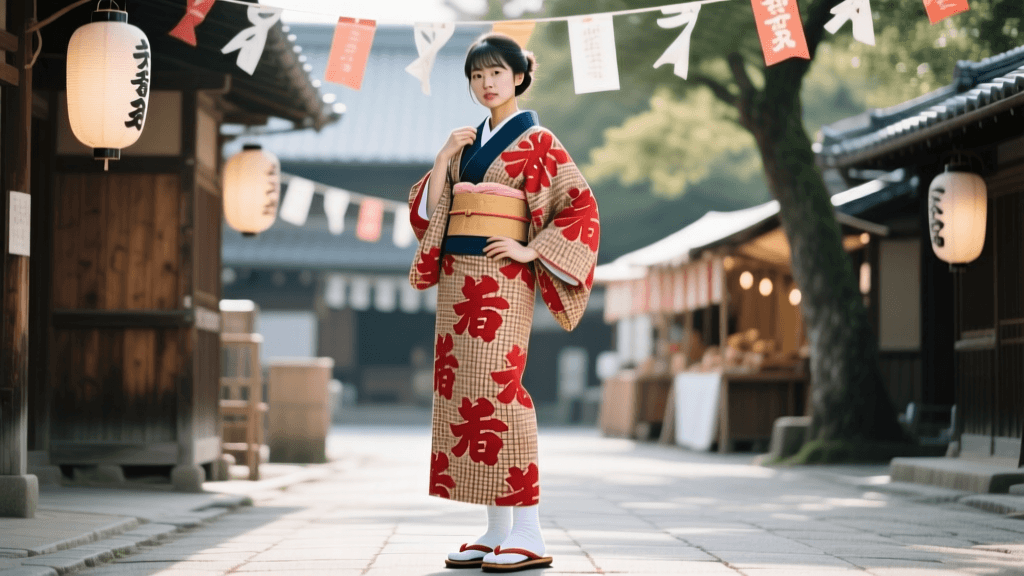
When the humid Japanese summer arrives, the streets come alive with the rhythmic beating of taiko drums, the melodic strumming of the shamisen, and the synchronized movements of thousands of dancers. This is the season of matsuri (traditional festivals) and Bon Odori (ancestral folk dances). According to the Japan National Tourism Organization, these festivals are not merely spectacles; they are deeply rooted community rituals that celebrate the harvest, honor ancestral spirits, and forge social bonds. At the center of these vibrant performances is a highly specialized wardrobe designed for extreme mobility, breathability, and striking visual impact. Unlike the formal, restrictive layers of a traditional kimono, Japanese festival costumes prioritize dynamic movement, making garments like the happi coat and tabi footwear essential for performers.
The Happi Coat: Anatomy of a Performance Garment
The happi (or happi coat) is a traditional Japanese straight-sleeved coat, typically adorned with a distinctive crest or mon on the back. Originally worn by firefighters and house servants during the Edo period to display their clan or employer's crest, the happi evolved into the quintessential festival uniform. For a Bon Odori dancer, the happi is a masterpiece of functional design. The wide, open sleeves (sode) allow for dramatic, sweeping arm movements without catching on the body, while the open front ensures maximum airflow during strenuous summer dancing.
The back panel, known as the se-ita, often features bold, graphic designs—ranging from stylized ocean waves and cherry blossoms to the kanji characters of a local shrine or neighborhood association. In highly synchronized performances like the famous Awa Odori of Tokushima Prefecture, the uniformity of the happi coats worn by a dance troupe (ren) creates a mesmerizing visual wave effect. As noted by the Official Awa Odori Executive Committee, the visual unity of the troupe's happi coats is just as critical to the performance as the choreography itself.
Happi vs. Hanten: Clearing the Confusion
Western buyers and festival newcomers often confuse the happi with the hanten. While both are short, wide-sleeved coats, their purposes are entirely different. The happi is unlined (or lightly lined), made of breathable cotton or polyester, and designed for active summer performances and parades. The hanten, conversely, is heavily padded with cotton batting or down, designed to be worn indoors or outdoors during the winter for warmth. If you are preparing for a summer matsuri dance, purchasing a padded hanten will result in severe overheating; always ensure you are sourcing a true, unlined happi.
Tabi and Jikatabi: Footwear Built for the Dance
No Japanese festival costume is complete without tabi, the traditional split-toe footwear. The separation between the big toe and the other four toes provides enhanced balance and grip, which is vital when performing intricate folk dance steps on uneven festival grounds. For indoor stages or paved parade routes, performers wear standard white cotton tabi fastened with kohaze (metal clasps).
However, for outdoor performances, carrying heavy portable shrines (mikoshi), or dancing on grass and dirt, performers upgrade to jikatabi. Jikatabi feature the same split-toe cotton upper but are equipped with durable, flexible rubber soles. The rubber sole allows dancers to pivot sharply and absorb the shock of jumping movements, protecting the joints during hours of continuous performance.
Practical Buyer’s Guide: Sizing, Costs, and Timing
Sourcing the right festival attire requires understanding Japanese garment measurements, which differ significantly from Western sizing. Here is actionable advice for purchasing your matsuri wardrobe:
- Measure the Mitake (Back Length): Unlike Western jackets measured by chest width, happi coats are sized by mitake (the length from the base of the collar down the back). A standard adult happi has a mitake of 85cm (approx. 33.5 inches), which falls at the mid-thigh. For a more dramatic, traditional look preferred in Bon Odori, opt for a 100cm (39 inches) mitake.
- Tabi Kohaze Count: Standard tabi feature 4 kohaze (clasps). For high-impact dancing, seek out 5-kohaze tabi, which extend slightly higher up the ankle, providing crucial ligament support during repetitive stomping and pivoting.
- Material Costs: A basic polyester-blend happi (ideal for beginners or large troupes on a budget) costs between $25 and $45 USD. A mid-range, 100% sashiko-weave cotton happi costs $60 to $120 USD. For authentic, hand-dyed indigo (aizome) happi coats commissioned from traditional artisans, expect to pay upwards of $250 USD.
- Timing Your Order: Japanese festival season peaks in July and August. Because many authentic cotton happi and custom-sized tabi are made-to-order or shipped directly from domestic Japanese suppliers, you must place your orders by late April or early May to account for manufacturing and international shipping delays.
Comparison Chart: Japanese Festival and Summer Garments
| Garment | Primary Use | Material | Avg. Cost (USD) | Mobility |
|---|---|---|---|---|
| Happi | Festival Dance, Parades, Mikoshi | Cotton, Poly-blend | $30 - $150 | High |
| Hanten | Winter Warmth, Lounging | Padded Cotton, Down | $50 - $200 | Low |
| Jinbei | Casual Summer Wear, Fireworks | Lightweight Cotton, Linen | $25 - $80 | Medium |
| Yukata | Summer Strolling, Bon Odori (Women) | Unlined Cotton | $40 - $300 | Medium |
How to Wear and Tie the Happi for Optimal Mobility
Wearing a happi correctly ensures it stays secure during vigorous choreography. Never wear a happi directly against bare skin. Start with a hadajuban (a lightweight cotton undershirt) or a specialized mesh performance top to wick away sweat and protect the happi's collar from body oils.
Next, put on your lower garments. Male performers and many female dancers wear momohiki (tapered, tight-fitting trousers) or tattsuke-bakama (trousers with built-in gussets and leg wraps that mimic hakama but allow for high kicks and deep stances). Wrap the happi around your body, overlapping the left panel over the right. Take the himo (the thin cotton ties attached to the collar) and tie them securely at the front or side. For intense performances, many dancers add a wide cotton sash (haramaki or obi) around the waist over the happi ties to keep the coat anchored and provide lower back support.
The happi is not merely clothing; it is the uniform of community spirit. When a dancer ties the himo, they are binding themselves to the rhythm of their ancestors and the heartbeat of their neighborhood.
Preserving the Craft: Caring for Your Matsuri Attire
Proper maintenance of your festival garments ensures they can be passed down through generations. If you own an authentic indigo-dyed (aizome) happi, avoid using harsh chemical detergents or bleach, which will strip the natural dye and ruin the deep blue patina. Instead, hand-wash the garment in cold water using a pH-neutral soap, and hang it to dry in the shade; direct sunlight will rapidly fade natural indigo. For white cotton tabi, which inevitably become stained from outdoor festival grounds, soak them in a mild oxygen-based bleach solution before machine washing on a gentle cycle. Always store your tabi flat or rolled, rather than folded, to prevent permanent creasing around the delicate kohaze clasps.
Conclusion
The garments worn during Japanese matsuri are a perfect synthesis of form and function. As documented in the archives of the Kyoto Costume Institute, the evolution of these working-class garments into celebrated performance wear highlights Japan's deep respect for functional aesthetics. Whether you are joining a local Bon Odori circle, preparing for a taiko drumming performance, or simply attending a summer matsuri, understanding the nuances of the happi and tabi will profoundly enhance your connection to the culture. By selecting the right materials, ensuring proper measurements, and wearing the garments with respect for their history, you become an active participant in a living, breathing tradition that continues to unite communities under the summer stars.