The Kimono Silhouette in Global Sci-Fi Cinematic Costuming
The Cinematic Allure of the T-Shaped Silhouette
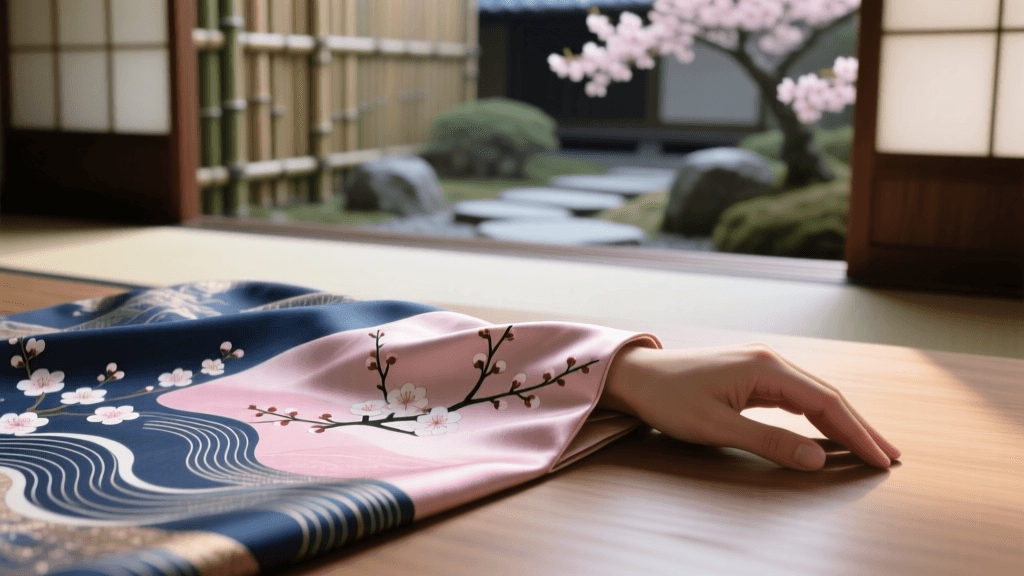
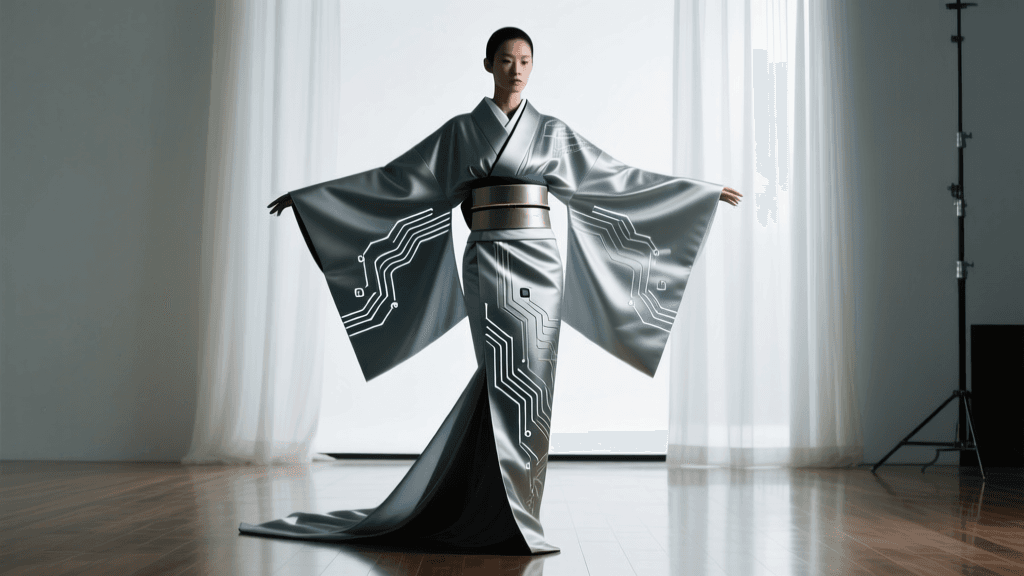
The influence of traditional Japanese garments on global pop culture, science fiction, and fantasy cinema is both profound and enduring. From the sweeping, monastic robes of the Jedi Order in 'Star Wars' to the structured, avant-garde armor seen in cyberpunk media, the foundational geometry of the kimono has served as a blueprint for cinematic world-building. Unlike Western tailoring, which relies on complex curved seams, darts, and structured shoulders to map the human form, the traditional kimono is constructed from straight lines. This T-shaped silhouette creates a distinctive, flowing drape that conveys a sense of mysticism, antiquity, and elegance—qualities that costume designers frequently leverage to establish ancient or highly evolved fictional cultures.
The late costume designer John Mollo famously utilized Japanese historical garments as the direct basis for the Jedi robes in the original 1977 'Star Wars' film, layering kimono-style wraps with heavy wool and silk to create an instantly iconic look. As highlighted by the Victoria and Albert Museum's landmark exhibition on the kimono, the garment's transition from a localized cultural staple to a global sartorial icon demonstrates its unparalleled versatility. For modern cosplayers, indie filmmakers, and theatrical costumers, understanding the authentic mechanics of this silhouette is essential for creating screen-accurate, culturally respectful, and visually striking sci-fi and fantasy garments.
Deconstructing the Geometry: Pattern Drafting for Screen
To recreate a cinematic robe inspired by traditional Japanese clothing, one must abandon Western pattern-drafting conventions. The traditional kimono is cut from a single bolt of fabric known as a 'tanmono'. Historically, this bolt measures approximately 36 centimeters (about 14 inches) in width and 11 to 12 meters in length. The garment is constructed using entirely straight cuts, resulting in zero fabric waste and a distinctive drop-shoulder effect that creates the signature T-shape.
However, adapting this for modern Western actors or cosplayers requires specific adjustments. The traditional 36cm width is often too narrow to comfortably wrap across a broader Western chest without pulling the lapels (eri) too wide open. For cinematic adaptations, designers typically scale up the geometry while maintaining the straight-line philosophy.
Essential Measurements and Proportions
When drafting a sci-fi robe based on kimono geometry, utilize the following adjusted measurements to maintain the authentic drape while accommodating modern layering over undersuits or armor:
| Garment Feature | Traditional Kimono Standard | Sci-Fi Cinematic Adaptation |
|---|---|---|
| Fabric Panel Width | 36 cm (14 inches) | 45 cm to 60 cm (18 to 24 inches) |
| Sleeve Attachment | Partial attachment under arm | Extended gusset for armor mobility |
| Collar Depth (Eri) | Crosses tightly at the waist | Dropped 5-8 cm to reveal chest armor |
| Overall Length | Ankle-grazing, folded at waist | Floor-sweeping, no waist fold (ohashori) |
By widening the fabric panels to 45cm or more, the front and back panels will overlap securely across the chest without requiring the traditional waist fold (ohashori), which is often omitted in menswear and cinematic costuming to create a longer, more imposing, monastic silhouette.
Material Sourcing and Budgeting for Indie Filmmakers
Authentic silk kimono fabrics are breathtaking but rarely practical for the rigors of a film set or a multi-day convention. Screen-accurate costuming requires materials that drape heavily, resist wrinkling under hot set lights, and withstand tactical harnesses. For a high-quality, hero-tier cinematic robe, budget approximately $150 to $250 for raw materials and allocate 30 to 40 hours for construction.
- Outer Shell: Avoid lightweight cottons or shiny polyesters. Instead, source a medium-weight wool blend or a heavy linen-rayon blend. These fabrics mimic the matte, textured appearance of traditional 'tsumugi' (slub silk) while offering the heavy, dramatic drape required for slow-motion cinematic shots. Cost: $15-$25 per yard (requires 6-8 yards).
- Lining: Traditional kimonos are fully lined. For sci-fi garments, use a heavy Bemberg rayon or cupro lining. It breathes well under hot lights and adds necessary weight to the hem. Cost: $8-$12 per yard.
- Interfacing: The collar (eri) must stand away from the neck slightly before folding down. Use a medium-weight hair canvas or heavy sew-in interfacing inside the collar band to maintain this architectural shape throughout a long day of shooting.
The Tactical Obi: Adapting the Sash for Sci-Fi Utility
In traditional Japanese dress, the 'obi' is a wide, stiff sash that secures the kimono and serves as a canvas for intricate knotting and decorative cords. In global pop culture and sci-fi media, the obi has been reimagined as the tactical utility belt. Whether it is the wide, leather-wrapped belts of the Jedi or the modular harnesses seen in 'Dune', the placement and proportion of the obi remain vital to the silhouette.
To construct a screen-accurate tactical obi, begin with a base of heavy 10oz leather or canvas, cut to a width of 15 to 20 centimeters (6 to 8 inches). Unlike a traditional silk obi which is wrapped tightly and tied, a cinematic utility obi should be backed with a rigid plastic or foam core to support the weight of holsters, pouches, and props without sagging. Secure the garment underneath with hidden heavy-duty snaps or a concealed zipper track, allowing the 'obi' to sit purely as a structural and decorative outer layer. This prevents the heavy belt from pulling the delicate drape of the robe's collar out of alignment during action sequences.
Cultural Stewardship in Pop Culture Adaptations
As the lines between traditional cultural garments and pop culture costuming blur, it is vital for designers and fans to approach these adaptations with respect and historical awareness. The Metropolitan Museum of Art's Heilbrunn Timeline of Art History emphasizes the deep socio-cultural significance of Japanese textile arts, noting that garments were historically regulated by class, season, and poetic allusion. When adapting these silhouettes for fantasy or sci-fi, creators should avoid mixing sacred or highly specific ceremonial motifs (such as imperial chrysanthemums or specific funeral crests) into generic villain or battle costumes.
Instead, designers can draw inspiration from the structural genius of the garments. The Kyoto Costume Institute's digital archives provide an invaluable, free resource for studying the exact cut, drape, and layering techniques of historical garments across different eras. By studying the functional brilliance of the 'hakama' (pleated trousers) for mecha-pilot costumes, or the layered 'junihitoe' for royal fantasy court dress, costumers can elevate their work from mere caricature to a thoughtful, structural homage.
Conclusion
The kimono's journey from the streets of Edo-period Kyoto to the soundstages of Hollywood and the global cosplay community is a testament to its timeless design. By understanding the straight-line geometry, adapting the measurements for modern layering, and sourcing materials that honor the garment's heavy, dramatic drape, costumers and designers can create sci-fi and fantasy garments that feel both otherworldly and deeply rooted in human history. Approaching these adaptations with technical precision and cultural respect ensures that the legacy of the T-shaped silhouette will continue to inspire cinematic storytelling for generations to come.