The Modern Qipao: Styling & Fitting the Cheongsam Today
The Evolution: From 1920s Shanghai to Xin Zhongshi
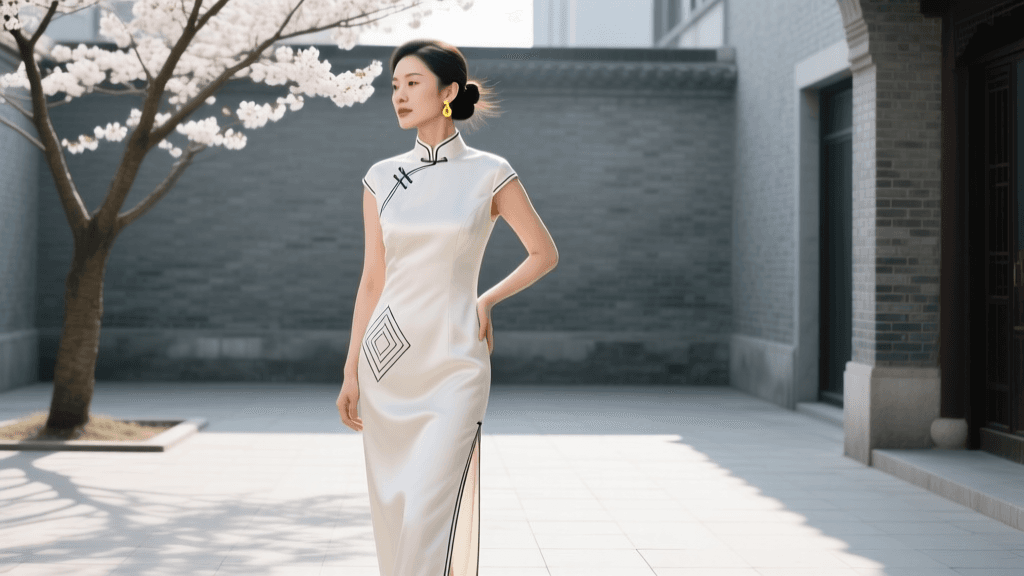
The qipao (or cheongsam in Cantonese) is arguably the most globally recognized garment in Chinese sartorial history. Originating from the loose, A-line robes of the Manchu people during the Qing Dynasty, the qipao underwent a radical transformation in the 1920s and 1930s. In the cosmopolitan hub of Shanghai, the garment was tailored to hug the figure, featuring high mandarin collars, daring side slits, and intricate pankou (frog) knot closures. This era cemented the qipao as a symbol of modern femininity and urban sophistication.
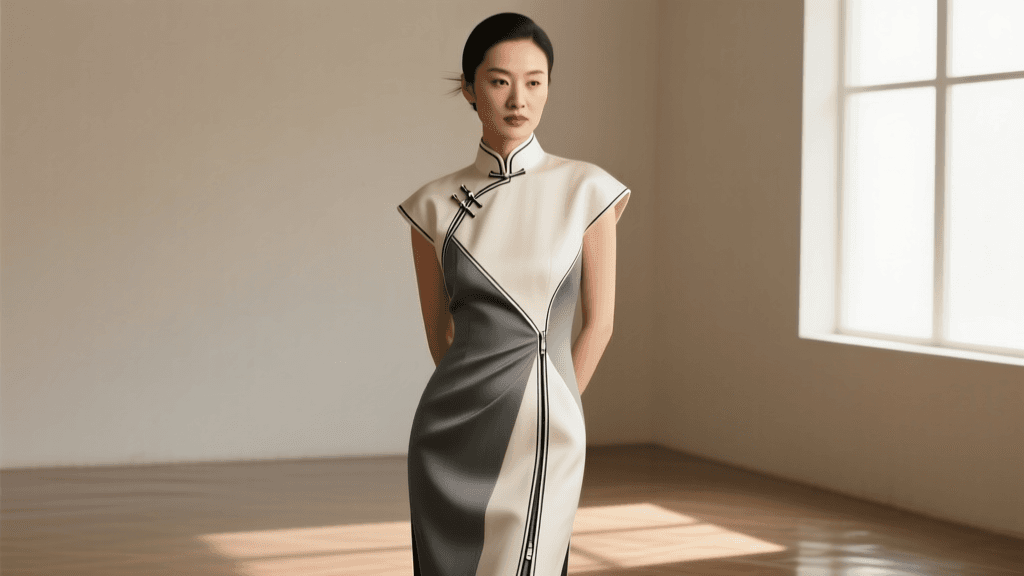
Today, the garment is experiencing a massive renaissance, largely driven by the Xin Zhongshi (New Chinese Style) movement. Unlike the strict, formal silhouettes of the mid-20th century, the modern qipao embraces fluidity, gender-neutral cuts, and hybrid streetwear elements. As highlighted in The Metropolitan Museum of Art's landmark exhibition on Chinese fashion influences, the cheongsam has always been a canvas for cultural exchange. Contemporary designers are now deconstructing the traditional form, offering drop-waist qipaos, oversized linen shifts with mandarin collars, and cropped tops paired with cargo pants. This evolution ensures the qipao is no longer reserved solely for weddings or Lunar New Year celebrations, but is a versatile staple in the modern global wardrobe.
Decoding the Fit: Essential Qipao Measurements
Unlike Western wrap dresses or shift dresses that forgive minor fitting discrepancies, a traditional woven silk qipao requires architectural precision. Because the garment lacks darts in its most classic form and relies on side seams and armhole gussets for shaping, taking accurate measurements is critical. If you are ordering a custom cheongsam or buying online, you must provide the following six measurements:
- Bust: Measure around the fullest part of your chest, keeping the tape measure parallel to the floor. Do not pull tightly; the tape should rest gently on the skin.
- Waist: Measure your natural waistline, which is the narrowest part of your torso, usually just above the belly button.
- Hips: Measure the fullest part of your hips and buttocks. This is crucial for the side slits; if the hip measurement is too tight, the slits will pull open awkwardly when you walk or sit.
- Shoulder Width: Measure from the edge of one shoulder bone to the other across the back. A qipao's shoulder seam must sit exactly on the bone to support the heavy mandarin collar.
- Armhole Depth: Often overlooked, this determines the comfort of the underarm gusset. Traditional qipaos have high, tight armholes to allow for arm movement without pulling the bodice up. Measure from the top of the shoulder down into the armpit.
- Hollow-to-Hem: Measure from the hollow at the base of your neck down to your desired hemline. Tea-length (mid-calf) is the most versatile for modern styling, while floor-length is reserved for formal evening wear.
Pro-Tip on Ease: If you are buying woven silk (like crepe de chine or brocade), you must add 2 to 4 centimeters of 'ease' to your bust, waist, and hip measurements so you can breathe and sit comfortably. If you are opting for modern stretch-crepe or scuba fabrics, you can use your exact body measurements for a second-skin fit.
Fabric, Cost, and Occasion Guide
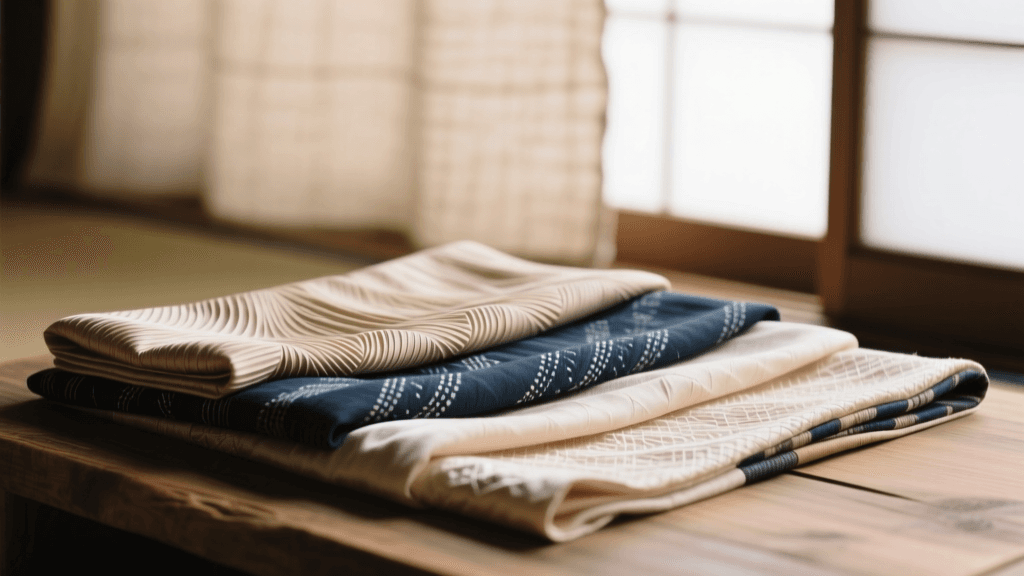
The fabric you choose dictates not only the drape and comfort of the qipao but also its price point and appropriate setting. Below is a comprehensive guide to the most popular cheongsam textiles used in contemporary tailoring.
| Fabric Type | Characteristics & Drape | Estimated Custom Cost (USD) | Best Occasion |
|---|---|---|---|
| Mulberry Silk (Crepe de Chine) | Lightweight, matte finish, breathable, and fluid. Drapes beautifully but wrinkles easily. | $250 - $450 | Spring/Summer events, garden parties, daytime weddings. |
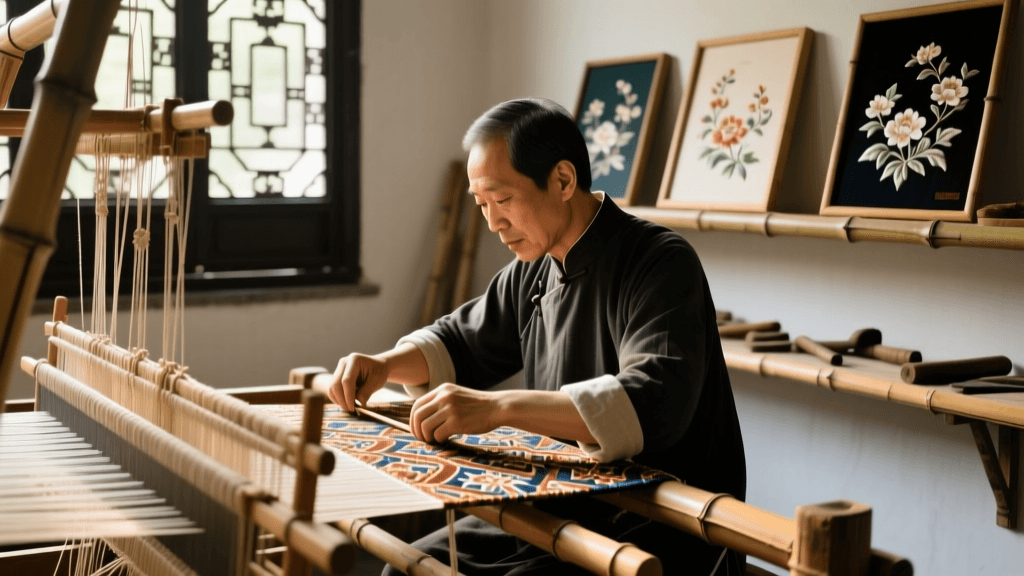
| Xiangyunsha (Gambiered Silk) | Intangible cultural heritage fabric. Dyed with yam juice and river mud. Crisp, water-resistant, and darkens with age. | $800 - $1,500+ | High-end formal wear, cultural events, luxury evening dinners. |
| Silk Brocade / Jacquard | Heavy, structured, and features woven metallic or floral patterns. Holds its shape rigidly. | $350 - $600 | Winter weddings, Lunar New Year, formal banquets. |
| Cotton-Linen Blends | Matte, textured, breathable, and highly durable. Offers a relaxed, rustic aesthetic. | $120 - $200 | Everyday wear, office attire, casual travel. |
| Stretch Scuba / Neoprene | Modern synthetic blend. Thick, body-conforming, wrinkle-proof, and provides structural support. | $150 - $300 | Nightlife, modern streetwear styling, avant-garde fashion shoots. |
Modern Styling: Breaking the 'Costume' Rule
The biggest mistake modern wearers make is treating the qipao as a fragile costume rather than a functional garment. The Xin Zhongshi movement, heavily documented by industry analysts at the Business of Fashion, encourages blending traditional Chinese elements with Western streetwear and minimalist tailoring. Here is how to style your cheongsam for the 2020s:
1. Footwear Pairings
Step away from the traditional stiletto pump for daytime wear. For a contemporary, edgy look, pair a midi-length cotton or linen qipao with chunky leather loafers, Mary Janes with platform soles, or even pristine retro sneakers (like the Adidas Samba or Nike Killshot). If you are wearing a floor-length silk brocade qipao for an evening event, pointed-toe ankle boots offer a striking, fashion-forward silhouette that grounds the elegance of the dress.
2. Outerwear and Layering
Layering is essential for transitioning the qipao through seasons and adding a modern edge. An oversized, structured menswear blazer worn over a sleeveless, high-neck qipao creates a powerful boardroom-to-dinner look. In cooler months, drape a long, tailored wool overcoat over your cheongsam, allowing the mandarin collar and the hem's side slits to peek through. For a grunge-inspired streetwear aesthetic, a cropped leather moto jacket contrasts beautifully with the delicate femininity of a floral silk qipao.
3. Accessorizing with Intent
While jade bangles and pearl drop earrings are classic, they can sometimes push the outfit into 'period drama' territory. To modernize the look, opt for minimalist architectural gold jewelry, sculptural ear cuffs, or a sleek leather belt bag worn crossbody. If you wish to incorporate jade, choose modern, geometric cuts set in matte gold rather than traditional carved cabochons.
Garment Care: Preserving Your Cheongsam
A well-made qipao is an investment, and proper care is essential to maintain its structure and textile integrity. According to the Victoria and Albert Museum's textile conservation guidelines, Asian silks and woven brocades require specific environmental controls and handling techniques to prevent degradation.
- Washing: Never machine wash a silk or brocade qipao. Hand wash silk crepe de chine in cold water using a pH-neutral silk detergent or baby shampoo. Do not wring or twist the fabric; instead, press the water out gently between two clean, dry towels.
- Drying: Always dry your qipao flat on a mesh drying rack away from direct sunlight. Hanging wet silk will cause the fabric to stretch and warp under its own weight, ruining the precise tailoring.
- Ironing: Use a steamer rather than a direct iron. If you must use an iron, set it to the lowest silk setting and always use a cotton pressing cloth between the iron and the garment to prevent scorch marks and shine.
- Storage: Never hang a heavy brocade or beaded qipao on a wire or thin plastic hanger, as this will create permanent 'shoulder bumps' and distort the neckline. Use wide, padded satin hangers. For long-term storage, fold the garment with acid-free tissue paper to prevent hard creases, and place it in a breathable cotton garment bag. Avoid plastic bags, which trap moisture and cause yellowing in natural silk fibers.
By understanding the rich history, mastering the fit, and embracing modern styling techniques, you can seamlessly integrate the qipao into your contemporary wardrobe, honoring its heritage while pushing its boundaries into the future of global fashion.