Modern Qipao Styling: From 1930s Shanghai to Daily Wear
The Evolution of the Qipao: From Banner Gown to Modern Icon
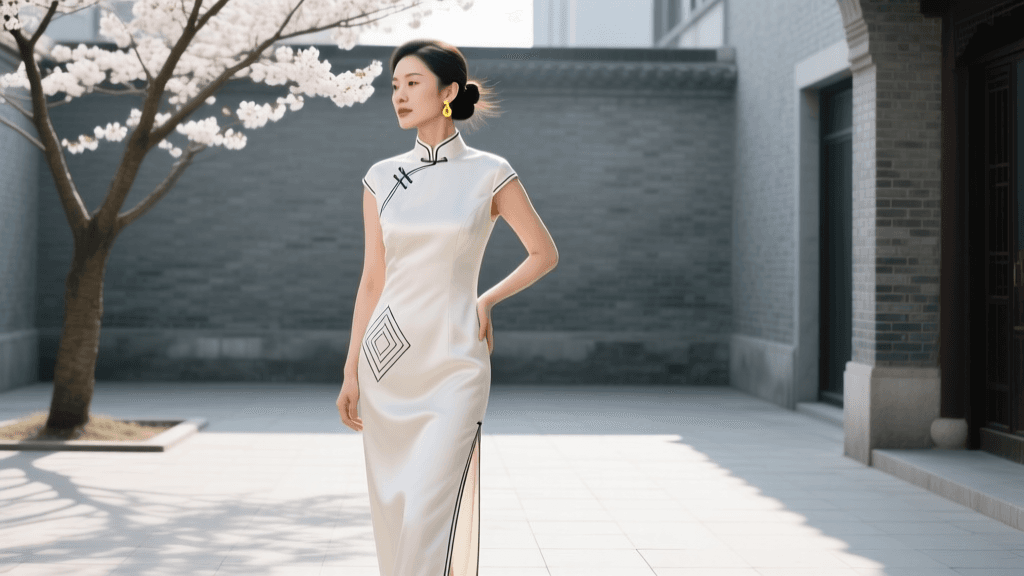
The qipao, widely known in the West as the cheongsam, is arguably the most globally recognized garment in Chinese fashion history. However, the modern iteration of this iconic dress has evolved far beyond its cinematic stereotypes and formalwear confines. Today, the qipao is experiencing a massive renaissance among Gen Z and millennial consumers, driven by the 'Xin Zhongshi' (New Chinese Style) movement. This trend strips away the rigid, costumey associations of the past, reimagining traditional silhouettes for the subway, the office, and the street.
According to the Victoria and Albert Museum, the cheongsam originally evolved from the loose-fitting, floor-length banner robes worn by Manchu women during the Qing Dynasty. It wasn't until the 1920s and 1930s in Shanghai that the garment was radically tailored into the form-fitting, high-collared silhouette we recognize today, heavily influenced by Western darting and剪裁 (tailoring) techniques. As noted by BBC Culture, the qipao became a symbol of modern femininity and liberation, though its popularity waned in mainland China during the mid-20th century before its eventual revival.
Today's New Chinese Style movement focuses on wearability. By blending traditional motifs—such as the pankou (knotted buttons), mandarin collar, and side slits—with contemporary Western cuts like A-line skirts, dropped shoulders, and puff sleeves, modern designers have transformed the qipao into a versatile wardrobe staple.
Deconstructing the Silhouette: Vintage vs. Xin Zhongshi
To understand how to style the modern qipao, one must first understand how its architecture has shifted. The table below highlights the key differences between the vintage 1930s Shanghai qipao and the contemporary Xin Zhongshi daily wear.
| Feature | 1930s Vintage Shanghai | Modern Daily (Xin Zhongshi) |
|---|---|---|
| Collar | High (5-7cm), stiff, tightly fastened | Lowered (2-3cm), softer, or faux-mandarin V-neck |
| Silhouette | Form-fitting, tubular, restrictive | A-line, fit-and-flare, dropped waist, relaxed |
| Slit Height | High (often mid-thigh or higher) | Lower (knee or below-knee) for modesty and ease |
| Fasteners | Exclusively handmade pankou knots | Hidden zippers with decorative pankou accents |
| Sleeves | Cap sleeves or tight long sleeves | Puff sleeves, flutter sleeves, or sleeveless |
Practical Guide: Styling the Qipao for Everyday Wear
The golden rule of modern qipao styling is juxtaposition. Because the garment inherently carries a sense of elegance and historical weight, pairing it with casual, utilitarian, or edgy contemporary pieces prevents the look from feeling like a costume or a hotel uniform.
1. Master the Art of Layering and Outerwear
Transitional weather offers the best opportunities for qipao styling. For a sharp, urban look, layer a midi-length cotton qipao under an oversized, structured blazer. The contrast between the soft, traditional collar and the sharp, modern shoulder pads creates a striking visual balance. In colder months, a cropped leather motorcycle jacket instantly toughens up a floral jacquard qipao, grounding the romanticism of the fabric with grunge-inspired edge. For a more intellectual, 'dark academia' aesthetic, try layering a fine-knit turtleneck underneath a sleeveless, A-line qipao jumper dress.
2. Footwear: Grounding the Garment
Avoid traditional silk slippers or delicate stilettos unless you are attending a formal banquet. For daily wear, your choice of footwear should anchor the outfit in the modern world:
- Chunky Loafers & Mary Janes: Brands like Dr. Martens (e.g., the 1461 shoe or Adrian Tassel) or G.H. Bass provide a preppy, substantial base that complements the feminine lines of the dress.
- Minimalist Sneakers: A pair of New Balance 574s, Converse Chuck 70s, or classic white leather sneakers (like the Adidas Stan Smith) adds a sporty, effortless vibe, perfect for running errands or casual cafe dates.
- Combat Boots: Knee-high or ankle combat boots paired with a qipao featuring a modest side slit create a cyberpunk-meets-heritage aesthetic that is highly popular on platforms like Douyin and TikTok.
The Tailoring Checklist: Measurements and Costs
While the Xin Zhongshi movement embraces looser fits, a qipao still requires precise tailoring to ensure the collar sits correctly and the pankou buttons align without gaping. If you are ordering online from Asian marketplaces or visiting a tailor, you must provide more than just standard dress sizes.
Crucial Measurements for a Modern Fit
- High Bust & Full Bust: Essential for dart placement and ensuring the chest area does not pull the diagonal flap open.
- Waist & Hips: Even for A-line cuts, the waist measurement dictates where the natural curve of the bodice ends and the skirt begins.
- Shoulder Width: Measured from the edge of one shoulder bone to the other. Crucial for avoiding a 'pinched' look near the armpits.
- Neck Circumference: The mandarin collar must be snug but allow for one finger to slide comfortably between the fabric and your skin.
- Hollow-to-Hem: Measured from the hollow at the base of your neck down to your desired hemline. For modern daily wear, a midi length (hitting mid-calf, roughly 110-120cm depending on height) is the most practical and flattering.
Cost Breakdown: What to Expect
The price of a qipao varies wildly based on construction and fabric. Here is a realistic budget guide for modern shoppers:
- Off-the-Rack (Fast Fashion & Taobao): $40 to $120. Best for experimenting with trends, cotton-linen blends, and casual cuts. Expect hidden back zippers and machine-made pankou.
- Made-to-Measure (Independent Studios): $150 to $400. You select the fabric and provide your measurements. This tier offers better fabric choices (like heavy crepe or silk blends) and hand-finished details.
- Bespoke (Master Tailors): $600 to $1,500+. Includes a full toile fitting, hand-rolled hems, custom-dyed silk, and entirely hand-knotted pankou buttons. This is an investment piece meant to last a lifetime.
Fabric Selection: Avoiding the Costume Trap
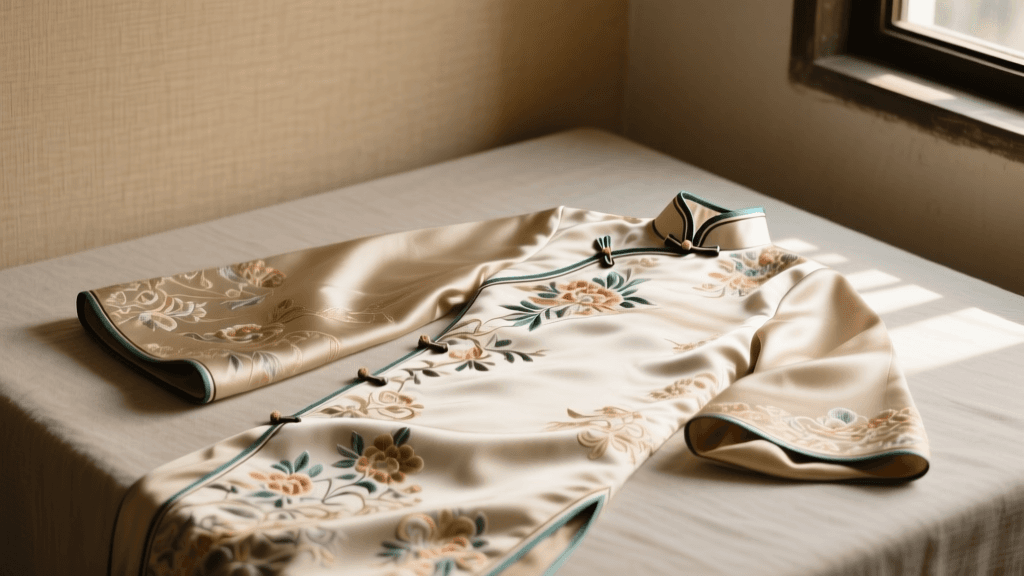
The fastest way to make a qipao look like a cheap costume is through poor fabric selection. Shiny, unlined polyester satin is the primary culprit. It clings to the body, highlights sweat, and reflects light in a way that looks synthetic and overly theatrical. The Metropolitan Museum of Art has extensively documented how the interplay of light and textile is crucial to Chinese fashion history; modern daily wear requires matte or subtly textured fabrics.
Summer and Spring Selections
For warmer months, opt for breathable, matte textiles. Ramie and linen-cotton blends are exceptional choices. They offer a slight, natural slub texture that gives the garment an organic, artisanal feel. Washed cotton with subtle woven jacquard patterns (rather than loud, printed dragon or phoenix motifs) keeps the look grounded and contemporary.
Autumn and Winter Selections
When the temperature drops, transition to wool crepe, heavy matte silk, or velvet. Wool crepe is a favorite among high-end Xin Zhongshi designers because it drapes beautifully, resists wrinkling, and provides a sleek, architectural structure to the garment without adding bulk. Dark, muted tones like charcoal, forest green, and oxblood in heavy fabrics exude a quiet luxury that is perfect for office wear or evening dinners.
'The true revival of the qipao isn't about replicating the past; it is about translating its architectural beauty into the vocabulary of modern streetwear. When a young woman wears a cotton qipao with sneakers and a denim jacket, she isn't wearing a costume—she is wearing her culture on her own terms.'
Where to Shop: Navigating the Market
If you are shopping online via platforms like Taobao or AliExpress, using the correct search terminology is vital to finding daily-wear styles rather than wedding or performance gear. Use the following Mandarin keywords to refine your search:
- 日常旗袍 (Rìcháng qípáo): Daily qipao. This will yield relaxed, practical designs.
- 新中式 (Xīn zhōngshì): New Chinese Style. This broadens the search to include qipao-inspired tops, skirts, and hybrid garments.
- 改良旗袍 (Gǎiliáng qípáo): Improved/Modified qipao. This specifically targets garments with modern alterations like shorter lengths, Western collars, or A-line cuts.
For those outside of Asia, independent designers on platforms like Etsy or specialized Asian fashion boutiques (such as Ms MIN or Zara's occasional Lunar New Year capsule collections) offer accessible entry points into the Xin Zhongshi movement. By focusing on fit, fabric, and contemporary styling, you can seamlessly integrate the historic elegance of the cheongsam into your everyday rotation, honoring its legacy while pushing its boundaries into the future.