Xiangyunsha Silk: Crafting Hanfu With Intangible Heritage
The Renaissance of Xiangyunsha in Modern Hanfu
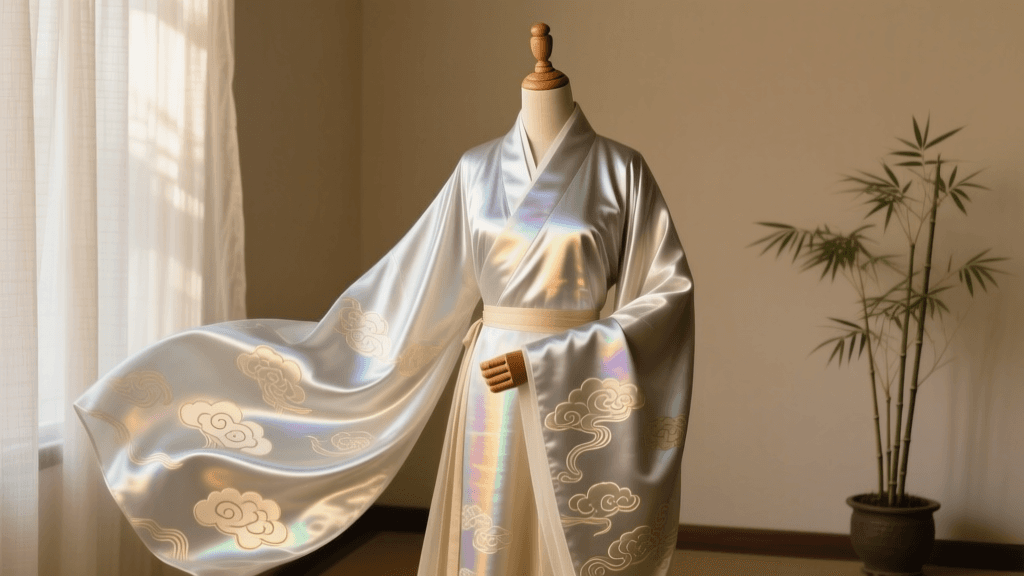
The global resurgence of Hanfu (traditional Han Chinese clothing) has sparked a profound revival in historical textile crafts. Among the most coveted and culturally significant materials in this movement is Xiangyunsha, also known as Gambiered Canton Gauze. Originating from the Shunde District of Foshan in Guangdong Province, this luxurious silk is celebrated not just for its rich, lustrous appearance, but for its status as a masterpiece of Chinese intangible cultural heritage. For modern Hanfu enthusiasts and collectors, understanding the artisan craftsmanship behind Xiangyunsha is essential for appreciating its value, ensuring authenticity, and properly maintaining these heritage garments.
Historically dating back to the Ming Dynasty and perfected during the Qing Dynasty, Xiangyunsha was once reserved for nobility and wealthy merchants due to its labor-intensive production. Today, it is highly sought after for premium Hanfu silhouettes, particularly the Ming Dynasty Mamianqun (horse-face skirt) and the Song Dynasty Beizi (open-front jacket). The fabric's unique structural properties—water resistance, breathability, and a crisp, sculptural drape—make it unparalleled in traditional Chinese garment making.
The Artisan Process: Mud, Sun, and River Water
The creation of authentic Xiangyunsha is a masterclass in natural chemistry and artisan patience. Unlike modern synthetic dyes, this craft relies entirely on organic materials and specific environmental conditions. The broader context of this craft is deeply tied to the historical significance of Chinese silk production, a legacy extensively documented by institutions like The Metropolitan Museum of Art's Heilbrunn Timeline of Art History, which highlights the millennia-old evolution of Chinese silk craftsmanship and its global impact.
Step 1: The Shoulang Juice Extraction
The process begins with the base fabric: high-grade, undyed mulberry silk. Artisans prepare a dye bath using the tubers of the Dioscorea cirrhosa plant, locally known as Shoulang. These tubers are crushed and soaked to extract a deep, reddish-brown liquid rich in natural tannins. The silk is repeatedly dipped into this juice, wrung out by hand, and laid flat on the grass to dry under the intense Guangdong sun. This dipping and drying cycle is repeated up to 30 times over several days until the silk absorbs a deep, uniform terracotta hue.
Step 2: The Mud Coating (Guo Ni)
The defining characteristic of Xiangyunsha is achieved through a miraculous chemical reaction. Artisans harvest iron-rich, mineral-dense mud from the bottom of the Pearl River delta. In the early hours of the morning, this mud is evenly painted onto one side of the tannin-dyed silk. The tannins in the Shoulang juice react instantly with the iron ions in the river mud, transforming the coated side into a deep, lustrous black or dark chocolate brown. This coating gives the fabric its signature crispness and subtle, leather-like sheen.
Step 3: River Washing and Final Drying
After the mud has reacted and dried, the fabric is taken to the river. Artisans wash the silk in the flowing waters of the Pearl River to remove the residual mud particles, leaving behind only the dark, metallic-hued tannin-iron complex bonded to the silk fibers. The fabric is then stretched and dried one final time, resulting in a textile that is remarkably durable, naturally antimicrobial, and resistant to moisture.
Timing and Environmental Constraints
Authentic Xiangyunsha cannot be mass-produced in climate-controlled factories. The craft is strictly bound by the seasons and the weather. Production only occurs between March and November, requiring intense sunlight for drying and specific humidity levels. A single bolt of fabric takes 15 to 20 days to complete, and a sudden rainstorm can ruin an entire batch. This reliance on nature is a hallmark of true intangible heritage crafts.
Identifying Authentic Xiangyunsha: A Buyer’s Guide
As demand for premium Hanfu has surged, the market has been flooded with chemical imitations. These factory-made alternatives use synthetic black dyes and chemical stiffeners to mimic the look and feel of Xiangyunsha, but they lack the breathability, skin-friendly properties, and historical soul of the genuine article. Below is a comparison chart to help you identify authentic heritage silk.
| Feature | Authentic Xiangyunsha | Chemical Imitation |
|---|---|---|
| Surface Texture | Smooth, slightly waxy, with a subtle, uneven natural sheen and faint 'crackle' patterns. | Uniformly glossy or completely matte; feels artificially stiff or plasticky. |
| Reverse Side Color | Warm terracotta, reddish-brown, or ochre (the original Shoulang dye). | Often black, dark grey, or uniformly dyed the same color as the front. |
| Acoustic Properties | Produces a distinct, crisp rustling sound (resembling wind through leaves) when walking. | Silent or produces a dull, synthetic swishing noise. |
| Odor | Faint, earthy scent of dried herbs and river mud; completely non-toxic. | Smells of chemical dyes, sulfur, or industrial manufacturing. |
| Price per Meter | 600 - 1,500 RMB ($85 - $210 USD) | 50 - 150 RMB ($7 - $21 USD) |
Actionable Sizing and Cost Breakdown
When commissioning or purchasing a Xiangyunsha Hanfu piece, understanding fabric yield and costs is crucial. Authentic Xiangyunsha is typically sold in standard bolt widths of 114 cm (45 inches) or 140 cm (55 inches).
- Mamianqun (Horse-Face Skirt): Requires 3 to 4.5 meters of fabric depending on waist circumference and pleat depth. Expect to pay between $400 and $900 USD for a finished, authentic garment.
- Beizi (Open-Front Jacket): Requires 2 to 3 meters. Finished garments typically range from $250 to $500 USD.
- Artisan Lead Times: Because the fabric is seasonally dependent, ordering custom bolts directly from Foshan workshops during the winter months (December to February) will result in delays until the spring production cycle begins.
Caring for Heritage Silk Garments
Xiangyunsha is remarkably durable compared to standard silks, but it still requires meticulous care to preserve the tannin-iron bond and the integrity of the mulberry fibers. Follow these actionable care protocols to ensure your garment lasts for generations:
- Washing: Hand wash only in cold water (maximum 30°C / 86°F). Never use alkaline detergents or standard laundry soaps, as they will break down the natural tannins. Use a specialized, pH-neutral silk wash or a mild baby shampoo.
- Handling: Do not wring, twist, or scrub the fabric. Gently agitate the water and let the garment soak for no more than 3 minutes.
- Drying: Never dry Xiangyunsha in direct sunlight, as UV rays will degrade the dark mud-dyed surface over time. Lay flat or hang on a padded hanger to dry in a well-ventilated, shaded area.
- Ironing: Use a steam iron on the lowest 'silk' setting. Always place a clean, damp cotton cloth between the iron and the Xiangyunsha to prevent scorching the lustrous surface.
- Storage: Store in a breathable cotton garment bag. Avoid plastic covers, which can trap moisture and cause the natural dyes to mildew. Include natural cedar blocks to deter moths without using harsh chemical mothballs.
Preserving Intangible Cultural Heritage
Purchasing authentic Xiangyunsha is more than a fashion choice; it is a direct investment in the survival of rural artisan communities in Guangdong. The craft is officially recognized and protected under China's National Intangible Cultural Heritage list, and it shares deep roots with the broader traditions of Chinese sericulture, which is celebrated on UNESCO's Representative List of the Intangible Cultural Heritage of Humanity.
By demanding transparency, verifying the origins of the textiles, and supporting verified heritage brands and direct-to-artisan cooperatives, Hanfu enthusiasts play a vital role in keeping these ancient techniques alive. When you wear a Xiangyunsha Mamianqun, you are not merely wearing a garment; you are draping yourself in the sun, the river, and the enduring legacy of Chinese artisan mastery.