Peking Opera Costumes: Symbolism, Types, and Tailoring Guide
The Art of Jingju Fuzhuang: Beyond the Stage
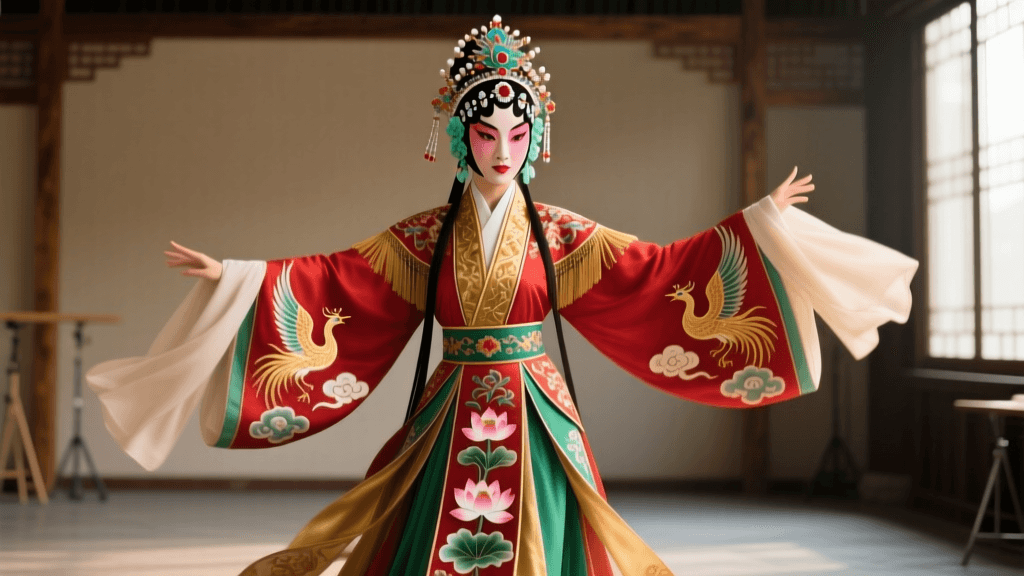
Peking Opera, known locally as Jingju, is a masterclass in visual storytelling. Long before a performer utters a single lyrical verse or executes a breathtaking martial arts sequence, their character's identity, moral alignment, and social status are vividly broadcast through their garments. Known as Jingju Fuzhuang, these performance costumes are not strictly historically accurate to any single Chinese dynasty. Instead, they represent a highly stylized, theatrical amalgamation primarily rooted in Ming Dynasty Hanfu, interspersed with Qing Dynasty Manchu influences and fantastical elements designed for maximum stage impact.
Inscribed on the UNESCO Representative List of the Intangible Cultural Heritage of Humanity in 2010, Peking Opera relies heavily on its sartorial codes. For modern practitioners, festival organizers, and cultural preservationists, understanding the anatomy, sourcing, and maintenance of these garments is essential. This guide provides an actionable, deep-dive into the world of traditional Chinese opera costumes, bridging the gap between historical craftsmanship and contemporary performance needs.
The Core Wardrobe: Decoding the 'Five Trunks'
Traditional opera troupes organize their extensive wardrobes into a meticulous system known as the 'Five Trunks' (Yixiang). This system categorizes garments not by historical era, but by the character's social rank, gender, and the formality of the scene. Understanding this taxonomy is the first step for any costume director or collector.
| Garment Name | Pinyin | Character Type | Key Features & Usage |
|---|---|---|---|
| Mang | Mǎng | Emperors, High Officials | Python robe with water sleeves; worn for formal court scenes. Features intricate gold couching. |
| Pei | Péi | Nobility, Scholars | Informal robe with a center-front slit; worn for domestic or relaxed scenes. Often heavily embroidered with floral motifs. |
| Kao | Kào | Generals, Warriors | Elaborate armor with four pennants (flags) attached to the back. Designed for martial (Wu) roles and acrobatic combat. |
| Zhezi | Zhězi | Commoners, Lower Officials | Simple, cross-collared coat. Usually made of plain silk or cotton with minimal embroidery at the cuffs and hem. |
| Bao | Bào | Judges, Mid-level Officials | Round-collared robe with a stiff, structured silhouette, often featuring a square rank badge (buzi) on the chest. |
According to the Smithsonian National Museum of Asian Art, the brilliance of this system lies in its versatility. A single trunk of carefully selected garments can outfit an entire cast for dozens of different plays, simply by swapping accessories, headdresses (Tousheng), and belts.
Color Symbolism: Reading the Character Before They Speak
In Jingju Fuzhuang, color is a direct conduit to a character's soul. Unlike Western theatrical costuming, which often uses color to denote mood or setting, Chinese opera uses it to denote inherent moral traits:
- Red: Loyalty, courage, and heroism (e.g., Guan Yu).
- Black: Integrity, impartiality, and a fierce but righteous nature (e.g., Bao Zheng).
- White: Treachery, cunning, and villainy (e.g., Cao Cao).
- Yellow: Reserved exclusively for the Emperor and the highest echelons of royalty.
- Blue/Green: Often used for outlaws, demons, or supernatural beings, indicating a wild or untamed spirit.
Sourcing and Tailoring: Actionable Advice for Performers
Whether you are outfitting a university theater troupe, preparing for a Lunar New Year festival, or commissioning a museum-grade piece, sourcing authentic Jingju costumes requires specific knowledge of materials, measurements, and tailoring timelines.
Measurements and the Art of the Water Sleeve
Opera costumes are cut differently from everyday Hanfu. They are designed to accommodate extreme physical movement and the illusion of height. For a standard female Pei or Mang, the hem should fall exactly two inches above the ankle when the performer is wearing thick-soled platform shoes (huapen di). The shoulder seams are intentionally dropped and padded to create a commanding, statuesque silhouette.
The most critical measurement involves the Shuixiu (water sleeves). These are extensions of white silk crepe or habotai stitched to the inner cuff of the garment. For professional performers, water sleeves typically measure 45 to 65 centimeters in length and 15 centimeters in width. When commissioning a tailor, you must specify the weight of the silk; a 12mm to 16mm silk crepe provides the necessary drape and 'snap' required for techniques like touxiu (flicking the sleeve) and zhengxiu (straightening the sleeve).
Materials, Embroidery, and Costs
Authentic opera costumes are masterpieces of Suzhou (Su) embroidery, utilizing a technique called panjin (gold couching), where gold and silver threads are laid flat on the silk satin base and stitched down with fine silk threads. As noted by the Victoria and Albert Museum, this dense metallic embroidery not only catches the stage lights but also adds significant weight to the garment, forcing the actor to move with deliberate, grounded grace.
Cost and Timeline Breakdown for Commissioning a Mang (Python Robe):
- Mass-Produced / Polyester (Festival Grade): $150 - $350. Machine-embroidered, synthetic satin base. Lead time: 2-4 weeks. Suitable for street parades, lion dance troupes, and amateur school plays.
- Semi-Custom / Silk Blend (Troupe Grade): $800 - $1,500. Silk-synthetic blend, mixed hand and machine embroidery. Lead time: 6-8 weeks. Ideal for regional theater companies and serious cultural exhibitions.
- Bespoke / Pure Silk & Hand-Couched Gold (Master Grade): $3,500 - $10,000+. 100% silk satin, pure metallic thread hand-embroidery by Suzhou artisans. Lead time: 4 to 8 months. Required for professional Jingju actors, archival preservation, and high-end collectors.
Adapting Opera Garments for Street Festivals
During major cultural events like the Lunar New Year, Temple Fairs, and the Mid-Autumn Festival, opera costumes frequently leave the stage and enter the streets. When adapting these garments for outdoor festival performances, such as the Lion Dance or stilt-walking troupes, durability must be prioritized over historical purity. Festival directors should opt for heavy-duty brocades rather than delicate silk satins, as the costumes will be exposed to sweat, humidity, and physical friction. Furthermore, the elaborate pheasant-tail plumes (lingzi) worn by warriors on stage should be replaced with flexible synthetic alternatives for outdoor parades, as natural plumes will snap in high winds.
Archival Care and Maintenance
Proper maintenance of Jingju Fuzhuang is a rigorous discipline. The heavy metallic threads used in panjin embroidery are highly susceptible to tarnishing and oxidation. Never fold a fully embroidered Mang or Kao, as this will permanently crease the gold couching and cause the metallic threads to snap over time.
Instead, professional troupes roll the garments around acid-free cardboard tubes, interleaving the layers with unbleached cotton muslin to prevent dye transfer and moisture buildup. Storage environments must be kept at a stable humidity level of 45-55% to prevent the silk base from dry-rotting while simultaneously stopping the metallic threads from rusting. Water sleeves must be detached or carefully folded inward before rolling to prevent the delicate white silk from yellowing.
'The costume is not merely clothing; it is the skin of the character. When the actor puts on the Mang, they do not just play the emperor; they bear the weight of the empire on their shoulders.'
— Traditional Jingju Wardrobe Master's Adage
Conclusion
The world of Peking Opera costumes is a vibrant intersection of textile artistry, symbolic storytelling, and rigorous physical performance. From the meticulous measurements of the water sleeves to the profound moral declarations woven into the color of a robe, Jingju Fuzhuang remains one of Asia's most complex and breathtaking sartorial traditions. Whether you are a performer seeking the perfect drape for a stage combat sequence, or a festival organizer aiming to bring authentic cultural splendor to a community parade, respecting the craftsmanship and tailoring codes of these garments ensures that this magnificent tradition continues to thrive for generations to come.