Modern Hanfu Streetwear: Fusing Tradition With Urban Style
The Rise of Hanfu Streetwear Fusion
The traditional Chinese clothing revival, widely known as the Hanfu Yundong (Hanfu movement), has transcended historical reenactment and museum exhibitions to become a dynamic force in contemporary global streetwear. No longer confined to ceremonial wear, traditional silhouettes are being aggressively remixed with urban apparel. According to a report by Reuters, the market for Hanfu and related traditional garments has grown into a multi-billion dollar industry, driven largely by Gen Z and millennial consumers who view these garments as a canvas for self-expression rather than strict historical dogma.
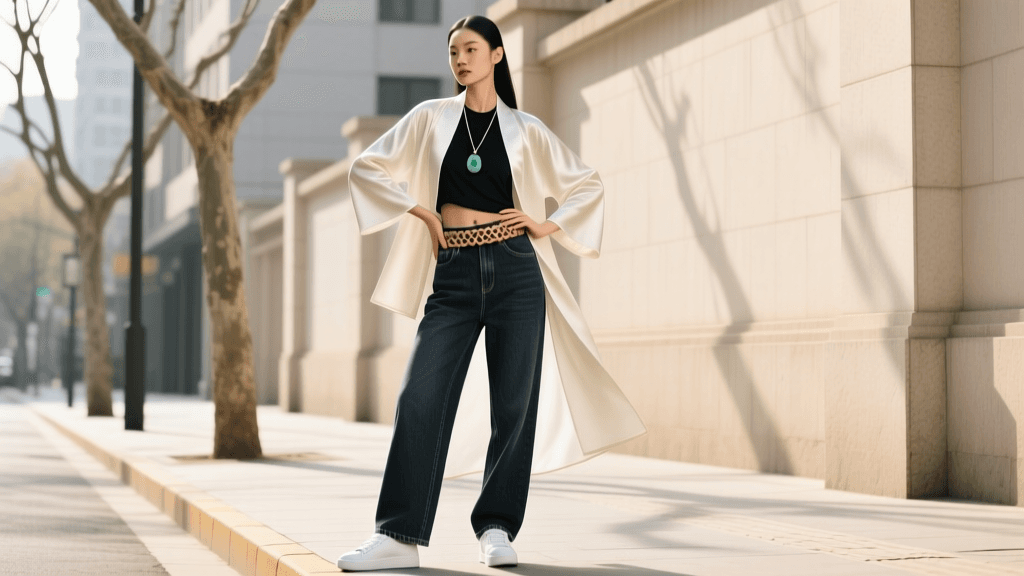
Modern fusion fashion in this space relies on the juxtaposition of ancient tailoring with modern textiles and casual staples. By integrating structural elements from the Ming and Song dynasties into everyday wardrobes, fashion enthusiasts are creating a hybrid aesthetic that honors heritage while prioritizing urban mobility. As noted in Vogue's coverage of the movement, younger generations are actively dismantling the boundaries between historical costume and high street fashion, leading to innovative styling techniques that are both practical and visually striking.
Core Garments for Urban Fusion
The Mamian Skirt (Horse-Face Skirt)
The Mamianqun, or horse-face skirt, is the undisputed centerpiece of Hanfu streetwear. Characterized by its flat front and back panels with heavily pleated sides, this Ming dynasty wrap skirt offers a dramatic, structured silhouette that pairs effortlessly with modern crop tops, graphic tees, and oversized hoodies. For streetwear applications, buyers should opt for woven jacquard polyester blends rather than delicate mulberry silk. These synthetic blends cost between $30 and $80 USD, resist wrinkling during urban commutes, and hold their pleats remarkably well when exposed to rain or wind.
The Bijia (Sleeveless Vest)
Originally worn as an inner layer or a protective vest during the Song and Ming dynasties, the Bijia has been reimagined as a statement outerwear piece. Modern adaptations feature deep armholes and cross-collars, making them ideal for layering over thick turtlenecks in autumn or crisp white button-downs in spring. Streetwear adaptations often utilize heavy canvas, denim, or corduroy, grounding the historical silhouette in rugged, utilitarian textures. Expect to invest around $40 to $120 USD for a high-quality, lined Bijia from independent designers.
Modified Jiaoling Youren (Cross-Collar Tops)
The classic cross-collar, right-lapel top (Jiaoling Youren) is frequently cropped and tailored with modern darts to accommodate contemporary body shapes. Fusion designers often replace traditional silk ties with hidden snaps or magnetic closures, allowing for rapid dressing and a cleaner exterior line. When styled with high-waisted cargo pants or distressed denim, the cross-collar top bridges the gap between ancient elegance and cyberpunk or techwear aesthetics.
Comparison Chart: Traditional vs. Fusion Streetwear
| Feature | Traditional Hanfu | Modern Fusion Streetwear |
|---|---|---|
| Primary Fabrics | Mulberry silk, raw linen, brocade | Jacquard poly-blends, denim, canvas, chiffon |
| Fastenings | Hand-tied silk sashes and ribbons | Magnetic snaps, hidden zippers, elastic waistbands |
| Skirt Length | Floor-sweeping (often requires specific posture) | Ankle-grazing or midi (optimized for walking and sneakers) |
| Average Cost | $150 - $500+ USD (Full set) | $40 - $120 USD (Mix-and-match separates) |
| Maintenance | Dry clean only, careful hand-washing | Machine washable (cold), tumble dry low |
Actionable Styling: Measurements, Pairings, and Costs
Mastering the Mamian Skirt Fit
To achieve the correct streetwear drape, precise measurements are critical. Unlike Western skirts that sit on the natural waist or hips, the Mamian skirt is designed to sit higher, just below the navel, secured by a wide waistband.
- Waist Measurement: Measure exactly where you intend the waistband to sit. Add 2-3 inches to account for the overlap of the wrap panels.
- Length Calculation: For a streetwear-friendly length that won't get caught in bicycle chains or subway doors, use the formula: Total Height - 35cm to 40cm. For a person who is 170cm tall, a skirt length of 130cm to 135cm will hit perfectly at the ankle bone, allowing chunky sneakers to remain visible.
- Pleat Width: Look for skirts with 6cm to 8cm pleats. Narrower pleats (4cm) tend to flare out too much in wind, while wider pleats offer a more structured, architectural A-line shape that complements oversized streetwear tops.
Footwear and Accessory Integration
While traditional cloud shoes (yunxie) are beautiful, they lack the support and weather resistance required for city living. The golden rule of Hanfu streetwear is contrast. Pair the flowing, intricate jacquard of a Mamian skirt with heavy, utilitarian footwear. Dr. Martens 1460 boots, chunky New Balance 990v5 sneakers, or thick-soled loafers provide a visual anchor that prevents the outfit from looking like a costume. Industry insights from Sixth Tone highlight that this exact juxtaposition—delicate heritage textiles against brutalist modern footwear—is what defines the contemporary Hanfu aesthetic.
Furthermore, accessorizing should lean towards minimalist, modern hardware. Swap traditional jade pendants for chunky silver chains, matte black leather belts worn over the Hanfu waistband to cinch oversized tops, or utilitarian crossbody bags. This deliberate clash of eras prevents the outfit from appearing theatrical, anchoring it firmly in the realm of high-end streetwear.
Sourcing, Budgeting, and Lead Times
Sourcing authentic yet modernized Hanfu requires navigating a mix of established indie brands and fast-fashion manufacturers. The epicenter of this market is Taobao, though international buyers can utilize proxy shopping services like Superbuy or Wegobuy.
- Entry-Level (Fast Fashion): Brands like Shisan Yu offer trendy, mass-produced fusion pieces. Costs range from $25 to $50 USD. Shipping is usually immediate, taking 7-14 days internationally.
- Mid-Tier (Indie Designers): Studios like Ming Huahu or Zhongling focus on historical accuracy blended with modern wearability. Prices sit between $80 and $180 USD. Be prepared for a pre-order model; garments are often made-to-order, requiring a 30 to 45-day production lead time before shipping.
- Bespoke Fusion: For custom streetwear adaptations (e.g., adding cargo pockets to a Mamian skirt or tailoring a Bijia from vintage Levi's denim), expect to pay $250+ USD and allow 2 to 3 months for consultations, muslin fittings, and final production.
Seasonal Adaptations and Layering
Streetwear demands year-round versatility. In winter, the fusion aesthetic relies heavily on layering. A sleeveless Bijia vest crafted from heavy wool or quilted cotton can be worn over a thick, ribbed turtleneck sweater. Pair this with a Mamian skirt made from a wool-blend tweed, and layer opaque fleece-lined tights underneath—a modern hack that preserves the sweeping silhouette while providing necessary insulation. For outerwear, structured wool overcoats with dropped shoulders complement the wide sleeves of modified Hanfu tops, creating a cohesive, avant-garde silhouette that protects against harsh urban winters without sacrificing the traditional aesthetic.
Caring for Mixed-Material Garments
Fusion fashion often combines traditional metallic thread embroidery with modern synthetic bases. To preserve the structural integrity of jacquard pleats and prevent metallic threads from tarnishing or snagging, follow these strict care protocols:
- Washing: Turn the garment inside out and place it in a fine mesh laundry bag. Wash on a delicate cycle with cold water (below 30°C) using a pH-neutral detergent. Never use bleach or fabric softeners, which degrade the stiffening agents used in pleated skirts.
- Drying: Air dry exclusively. Hang Mamian skirts using a skirt hanger with multiple clips to distribute the weight evenly across the waistband, preventing the pleats from stretching out of shape.
- Storage: Do not fold pleated skirts. Store them hanging in a breathable cotton garment bag. For Bijia vests made of heavy canvas, folding is acceptable, but ensure the cross-collar is padded with acid-free tissue paper to maintain its sharp geometric angle.
Conclusion
Modern Hanfu streetwear is not merely a trend; it is a profound cultural dialogue woven into the fabric of daily life. By understanding the architectural nuances of traditional garments and applying contemporary styling, measurements, and material science, wearers can confidently integrate centuries of Chinese sartorial history into the modern urban landscape. Whether you are stepping into a boardroom or navigating a crowded subway, fusion Hanfu offers a powerful, wearable testament to the enduring evolution of Asian traditions.