The Ultimate Guide to Chinese Wedding Attire: Qun Kwa vs Cheongsam
Introduction to Chinese Ceremonial Wedding Attire
Chinese wedding attire is a profound expression of cultural heritage, blending centuries-old symbolism with exquisite craftsmanship. For modern brides navigating their ceremonial wardrobe, the choice typically narrows down to two iconic garments: the traditional Qun Kwa (裙褂) and the elegant Cheongsam (旗袍), also known as the Qipao. While both are deeply rooted in Chinese history, they serve different aesthetic and practical purposes during the wedding festivities. According to the Metropolitan Museum of Art's extensive archives on Chinese dress, the evolution of these garments reflects broader shifts in Chinese society, textile production, and cross-cultural exchange. This comprehensive guide will break down the history, craftsmanship, and actionable tailoring advice for both garments, ensuring you make an informed decision for your big day.
The Qun Kwa (裙褂): Heritage and Craftsmanship
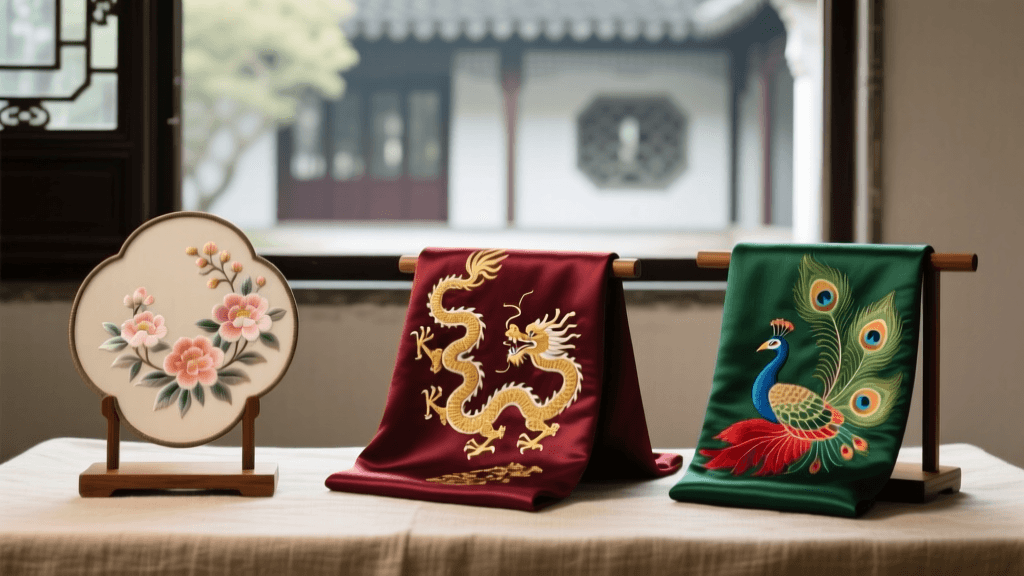
The Qun Kwa is a two-piece ceremonial bridal outfit originating from the Qing Dynasty, historically worn by the Han Chinese elite. It consists of a tailored jacket (Kwa) and a pleated or A-line skirt (Qun). The defining feature of the Qun Kwa is its dense, intricate embroidery, typically executed using gold and silver couching techniques alongside vibrant silk threads.
Symbolism and Embroidery Motifs
Every stitch on a Qun Kwa carries auspicious meaning. The most prominent motif is the Longfeng (dragon and phoenix), representing the balance of yin and yang, and the harmonious union of the bride and groom. Other common motifs include:
- Peonies: Symbolizing wealth, honor, and prosperity.
- Bats (Fu): A homophone for 'good fortune' and 'happiness'.
- Pomegranates: Representing fertility and a family full of children.
- Lotus Flowers: Signifying purity and a harmonious marriage.
Grading the Qun Kwa: Understanding Embroidery Density
When shopping for a Qun Kwa, you will encounter various grades based on the density of the gold and silver embroidery. Understanding these tiers is crucial for budgeting:
- Gua Huang (Emperor Jacket): 100% covered in gold/silver thread. The base fabric is entirely hidden. This is the most expensive and prestigious tier.
- Da Wu Fu (Large Five Blessings): 90-95% embroidery coverage.
- Zhong Wu Fu (Medium Five Blessings): 70-80% embroidery coverage.
- Xiao Wu Fu (Small Five Blessings): 50-60% embroidery coverage, allowing more of the red silk base to show.
- Mi Zi / Xiu He Fu: Features more colorful silk thread embroidery with less metallic couching, often favored for a softer, more romantic look.
Practical Guide: Sourcing, Costs, and Timelines
Because of the immense labor involved—often requiring hundreds of hours of hand-embroidery by master artisans—bespoke Qun Kwa garments are significant investments.
- Costs: Rental prices typically range from $500 to $2,500 depending on the grade. Purchasing a bespoke, hand-embroidered Gua Huang can cost anywhere from $15,000 to over $50,000. Machine-embroidered or lesser-grade options can be purchased for $1,000 to $3,000.
- Timing: If commissioning a bespoke hand-embroidered Qun Kwa, you must begin the process 9 to 12 months before the wedding. For rentals, reserve your preferred design at least 4 to 6 months in advance, especially during peak autumn wedding seasons.
The Modern Cheongsam (Qipao): Elegance and Fit
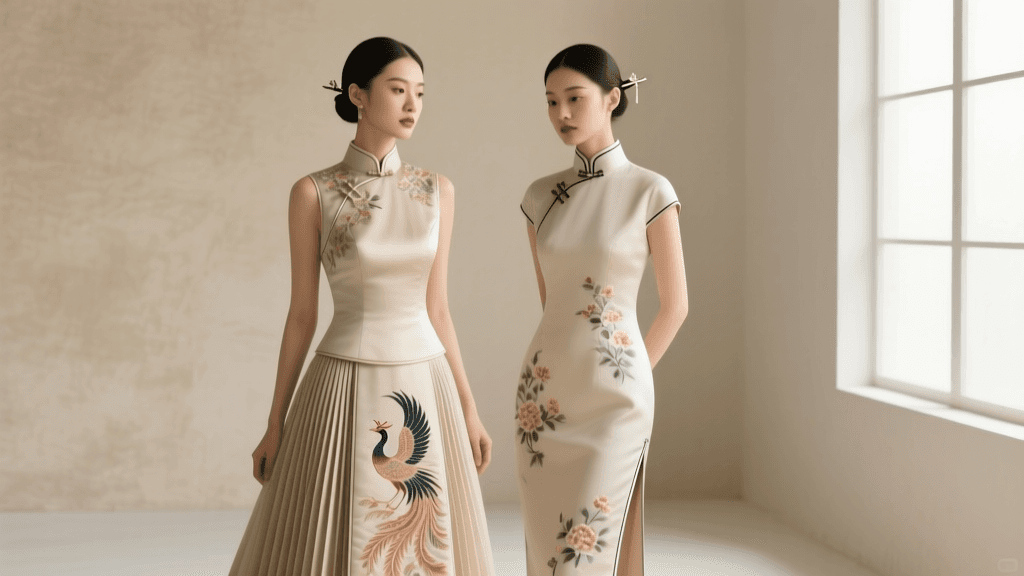
While the Qun Kwa is steeped in ancient dynastic tradition, the Cheongsam represents the modernization of Chinese fashion. Emerging in 1920s Shanghai, the Qipao evolved from the loose-fitting robes of Manchu women into the form-fitting, sophisticated silhouette recognized globally today. As explored by BBC Culture's feature on the Qipao, the garment became a symbol of female emancipation and modern elegance, making it a highly popular choice for the wedding banquet or the traditional tea ceremony.
Fabric Selection for the Bridal Cheongsam
The choice of fabric dictates the drape, comfort, and seasonal appropriateness of your Cheongsam:
- Heavy Silk Brocade: Ideal for winter weddings. It holds its structure well and provides a luxurious, regal sheen.
- Silk Crepe de Chine: Perfect for spring and summer. It is lightweight, breathable, and drapes beautifully over the body's natural curves.
- Velvet: A popular choice for late autumn and winter banquets, offering a rich texture that pairs beautifully with pearl and jade jewelry.
- Organza and Tulle Overlays: Used in modern fusion designs to create a softer, more ethereal look while maintaining the traditional mandarin collar and frog button closures.
Actionable Tailoring Advice: Measurements and Fittings
A Cheongsam is unforgiving of poor tailoring. To achieve the signature sleek silhouette without restricting your movement or breathing, precise measurements are non-negotiable. When visiting your tailor, ensure they take the following specific measurements:
- Bust, Waist, and Hips: Measured at the fullest/widest points to ensure the darts are placed correctly.
- Shoulder Width and Armhole Depth: Crucial for the mandarin collar to sit flat without choking the neck, and to prevent the fabric from pulling across the back.
- Hollow-to-Hem: Measured from the collarbone hollow down to the desired hemline (traditionally floor-length or just grazing the ankle for modern brides).
- Slit Height: Measured from the hip bone downwards. For a wedding, the slit should ideally end just above the knee to maintain modesty during the tea ceremony when kneeling or bending.
Timing & Fittings: Commission your bespoke Cheongsam 3 to 4 months prior to the wedding. Schedule your first fitting 8 weeks out to adjust the darts and seams, and your final fitting 3 weeks before the wedding to account for any last-minute weight fluctuations. Expect to pay between $1,500 and $4,500 for a master-tailored, bespoke silk Cheongsam.
Comparison Chart: Qun Kwa vs. Cheongsam
To help you decide which garment best suits your wedding itinerary, refer to the structured comparison below:
| Feature | Qun Kwa (裙褂) | Cheongsam / Qipao (旗袍) |
|---|---|---|
| Historical Origin | Qing Dynasty (Han Chinese elite) | 1920s Shanghai (Modernized Manchu roots) |
| Silhouette | Structured, modest, two-piece (jacket & skirt) | Form-fitting, one-piece, high collar, side slits |
| Primary Embroidery | Dense gold/silver couching (Longfeng) | Floral, avian, or abstract silk/bead embroidery |
| Weight & Comfort | Heavy (up to 5kg for Gua Huang), warm | Lightweight to medium, highly dependent on fabric |
| Best Ceremony Use | Traditional Tea Ceremony, Door Games, Morning Pick-up | Evening Banquet, Toasting Guests, Receptions |
| Bespoke Lead Time | 9 to 12 months | 3 to 4 months |
| Average Bespoke Cost | $5,000 - $50,000+ | $1,500 - $4,500 |
Accessorizing the Ceremonial Look
No traditional Chinese wedding outfit is complete without the appropriate accessories, which are heavily tied to regional customs and familial blessings. According to China Highlights' guide on traditional wedding customs, the exchange of jewelry and specific garments is a cornerstone of the familial bonding process.
Gold Jewelry and Dragon-Phoenix Bangles
During the tea ceremony, the bride is typically gifted heavy gold jewelry by the groom's parents and elder relatives. The most iconic piece is the Longfeng Zhuo (Dragon and Phoenix bangle). When wearing a Qun Kwa, brides often stack multiple bangles on their wrists. Because the sleeves of the Qun Kwa jacket are typically wide and end at the mid-forearm or wrist, the bangles remain highly visible. For the Cheongsam, opt for more delicate gold chains, jade pendants, or pearl earrings, as the high mandarin collar and fitted bodice can look cluttered with excessive necklaces.
Hair Accessories and Footwear
For the Qun Kwa, traditional hair accessories such as jade hairpins, gold buyao (dangling hairpins), and red silk ribbons are woven into intricate updos. The footwear should consist of traditional red silk slippers embroidered with phoenixes or lotus flowers. When wearing a floor-length Cheongsam, brides often opt for elegant red or gold leather heels, ensuring the hemline is adjusted precisely to the heel height chosen for the final fitting.
Color Symbolism and Taboos
Color is paramount in Chinese ceremonial attire. Red is the undisputed color of joy, luck, and prosperity, and it is the mandatory base color for the Qun Kwa and the most popular choice for the wedding Cheongsam. Gold and Silver represent wealth and nobility.
Conversely, brides must strictly avoid black and white, as these colors are historically associated with mourning and funerals. Even in modern, avant-garde interpretations of the Cheongsam, pure white or black fabrics should be avoided unless heavily offset by vibrant red or gold embroidery, and even then, only with the explicit approval of the elder generations in the family.
Conclusion: Curating Your Bridal Wardrobe
Choosing between the Qun Kwa and the Cheongsam does not have to be an either-or decision. Many modern brides opt for a dual-wardrobe approach: wearing the heavily embroidered, modest Qun Kwa for the morning rituals, door games, and the traditional tea ceremony with elders, before changing into a sleek, bespoke silk Cheongsam for the evening banquet and toasting the guests. By understanding the historical weight, tailoring requirements, and budget timelines associated with each garment, you can honor your heritage while looking and feeling your absolute best on your wedding day.