Styling Hanfu for Special Occasions: Weddings, Festivals & More
The Hanfu Revival: Dressing for Modern Milestones
The traditional clothing of the Han Chinese, known as Hanfu, has experienced a monumental renaissance over the past decade. What began as a niche historical appreciation society has blossomed into a mainstream cultural movement. As noted by BBC Travel, millions of young people are now integrating these ancient garments into their daily lives and, most notably, their most significant life milestones. Whether you are walking down the aisle, crossing the graduation stage, or celebrating the Lunar New Year, selecting the correct Hanfu requires an understanding of historical silhouettes, fabric weights, and ceremonial etiquette.
This comprehensive guide will walk you through the practicalities of sourcing, styling, and wearing Hanfu for special occasions, ensuring you honor tradition while looking breathtakingly elegant.
Hanfu for Weddings: A Timeless Union
Traditional Hanfu weddings are renowned for their profound symbolism and visual grandeur. While modern brides often default to the all-red Qungua or Xiuhefu (which are technically Qing-dynasty influenced or modern theatrical adaptations), purists and history enthusiasts are increasingly turning to historically accurate Ming Dynasty wedding attire.
The Bride: Fengguan Xiapei and Dishu
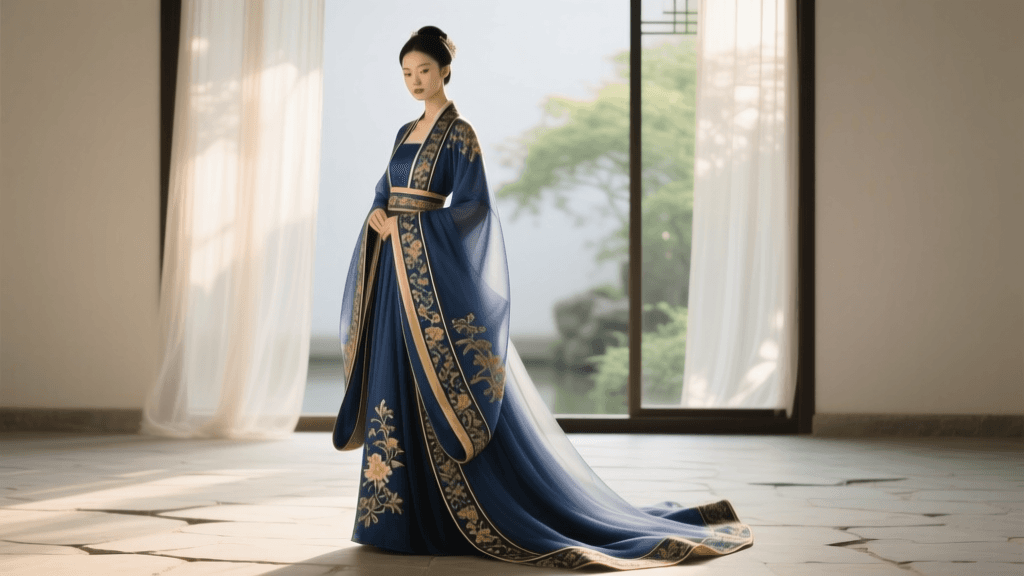
The pinnacle of Ming Dynasty bridal wear is the Fengguan Xiapei (Phoenix Crown and Cloud Cape) paired with a Dishu (formal jacket and skirt). The jacket, typically crafted from rich silk brocade or velvet, features intricate embroidery of phoenixes, peonies, and cloud motifs. The skirt is usually a Mamianqun (horse-face skirt) in deep crimson or emerald green. Historically, the Tang and Song dynasties favored the "Hong Nan Lu Nu" (red groom, green bride) aesthetic, which remains a stunning, historically grounded alternative to the ubiquitous modern red.
- Budget: Entry-level polyester/jacquard sets start around $150–$250. High-end, custom-woven silk sets from heritage brands like Minghuatang can range from $1,500 to over $4,000.
- Timing: Custom bridal Hanfu requires immense craftsmanship. Place your orders at least 4 to 6 months before your wedding date.
- Accessories: A replica Ming Fengguan (phoenix crown) made with kingfisher feather techniques (or ethical silk-thread alternatives) and jade Buyao hairpins.
The Groom: Daopao and Shenyi
Grooms traditionally wear a Daopao (a structured, cross-collared robe with side slits and hidden pleats) or a Shenyi (a deep, unified robe). These are often layered over a white Zhongyi (inner garment) to provide contrast at the collar and cuffs. The ensemble is completed with a Wusha hat or a Jin (scholar's cap) and a leather or silk ceremonial belt.
Graduation Hanfu: Honoring Academic Achievement
According to cultural insights from Sixth Tone, university students are increasingly swapping Western academic gowns for traditional Hanfu to celebrate their graduations. The most appropriate and historically resonant choice for this milestone is the Lanshan.
The Scholar's Aesthetic: Lanshan
The Lanshan is a traditional scholar's robe prominent in the Song and Ming dynasties. It features a round or cross collar, wide sleeves, and is traditionally black or dark navy with white trim along the edges, symbolizing academic purity, rigor, and the clear distinction between right and wrong.
- Styling Tip: Pair the Lanshan with a traditional Putou (black gauze cap) or a Ruji (scholar's hat). If you wish to blend modern and traditional, many graduates successfully pair the Lanshan with a standard modern mortarboard cap.
- Footwear: Black cloth boots or traditional Yunlv (cloud shoes) provide comfort for long graduation ceremonies and photo sessions.
- Props: Carry a bamboo scroll, a folding fan with calligraphy, or a traditional ink brush to enhance your graduation portraits.
Festival Attire: Celebrating the Lunar Calendar
Asian traditional festivals are deeply tied to the changing of the seasons, and your Hanfu should reflect both the weather and the cultural symbolism of the event. For historical accuracy and styling inspiration, enthusiasts often refer to resources and cultural exhibitions highlighted by China Daily.
Spring Festival (Lunar New Year)
Because the Lunar New Year falls in the heart of winter, the Ming Dynasty Aoqun (long, lined jacket and pleated skirt) is the ultimate choice. The high collar (Liling) and thick fabrics like wool blends, heavy brocade, or velvet provide necessary warmth. Opt for festive colors like vermilion, gold, and plum, featuring auspicious motifs like koi fish, plum blossoms, and lanterns.
Mid-Autumn Festival
Celebrated in early autumn, this moon-gazing festival calls for elegance and comfort. The Song Dynasty Beizi (a long, parallel-collar outer jacket) worn over a delicate pleated skirt is perfect for the crisp evening air. Alternatively, the Tang Dynasty Qixiong Ruqun (chest-high skirt) in shimmering silks with moon rabbit or osmanthus flower embroidery captures the romantic, ethereal essence of the holiday.
Huazhaohua (Flower Festival)
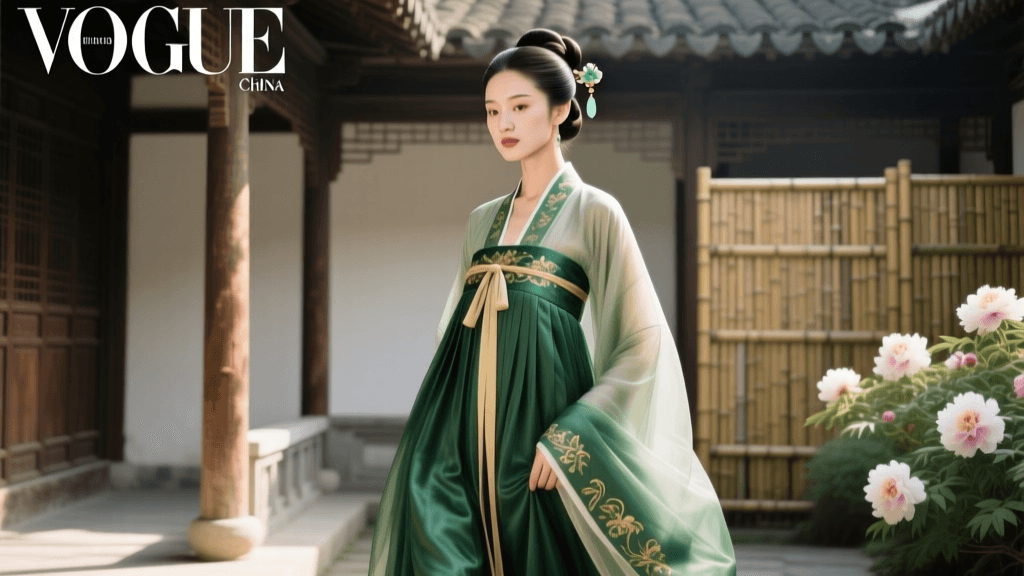
Held in the second lunar month (usually March), this festival celebrates the birthday of the flowers. Lightweight, flowing fabrics like organza, chiffon, and thin silk are ideal. Pastel palettes—cherry blossom pink, willow green, and wisteria purple—dominate. The Wei-Jin era Jiaoling Ruqun (cross-collared top and skirt) offers a fairy-like, romantic silhouette that photographs beautifully in blooming gardens.
Occasion-Based Hanfu Comparison Guide
To help you plan your wardrobe, refer to the structured comparison below:
| Occasion | Recommended Dynasty / Style | Key Garments | Fabric Recommendations | Estimated Budget (USD) |
|---|---|---|---|---|
| Wedding (Bride) | Ming Dynasty | Dishu, Mamianqun, Xiapei | Silk Brocade, Velvet, Jacquard | $250 - $3,000+ |
| Wedding (Groom) | Ming / Tang Dynasty | Daopao, Shenyi, Wusha Hat | Heavy Silk, Linen Blends | $150 - $800 |
| Graduation | Song / Ming Dynasty | Lanshan, Putou | Cotton, Linen, Polyester Blends | $80 - $200 |
| Lunar New Year | Ming Dynasty | Liling Ao, Mamianqun | Wool, Velvet, Heavy Brocade | $120 - $400 |
| Mid-Autumn | Song / Tang Dynasty | Beizi, Qixiong Ruqun | Silk, Satin, Chiffon | $90 - $300 |
| Flower Festival | Wei-Jin / Tang Dynasty | Jiaoling Ruqun, Banbi | Organza, Chiffon, Light Silk | $70 - $250 |
Sizing, Sourcing, and Tailoring Tips
Buying Hanfu online, particularly from specialized Chinese retailers like Shisanyu, Zhongling, or Tingyue Pavilion, requires a different approach to sizing than Western fashion. Hanfu is generally designed with a generous, flowing fit, but precise measurements are crucial for the skirt length and sleeve span.
Essential Measurements
- Tongxiu (Arm Span): Measured from the tip of one middle finger, across the back of the neck, to the tip of the other. This determines the drape of the wide sleeves.
- Qunchang (Skirt Length): Measured from your natural waist (or chest, for Tang styles) down to your ankle bone. A standard Mamianqun should graze the top of the foot without dragging on the floor.
- Yuanwei (Neck Circumference): Crucial for Ming Dynasty high-collar (Liling) jackets to ensure the collar sits comfortably without choking.
Care and Maintenance
Special occasion Hanfu often utilizes delicate materials. Never machine-wash silk brocade or heavily embroidered Mamianqun, as the metallic threads will fray and the pleats will lose their structural integrity. Always dry clean structured jackets and skirts. For everyday wear Hanfu made of polyester or cotton, use a gentle cycle in a mesh laundry bag and hang dry. When storing, use padded hangers for jackets to maintain the shoulder shape, and fold skirts along their original pleat lines, securing them with silk ribbons in a cool, dry environment.
Conclusion
Embracing Hanfu for weddings, graduations, and festivals is more than a sartorial choice; it is a profound reconnection with Asian heritage and artistry. By understanding the historical context of each garment, selecting appropriate fabrics for the season, and investing in proper tailoring, you can ensure that your traditional attire is as meaningful as the milestone you are celebrating. Whether you are exchanging vows in a Ming Dynasty Phoenix Crown or accepting your diploma in a Song Dynasty scholar's robe, Hanfu offers a timeless elegance that transcends generations.