The Art of Kesi and Su Embroidery in Haute Hanfu
Introduction to China's Intangible Textile Heritage
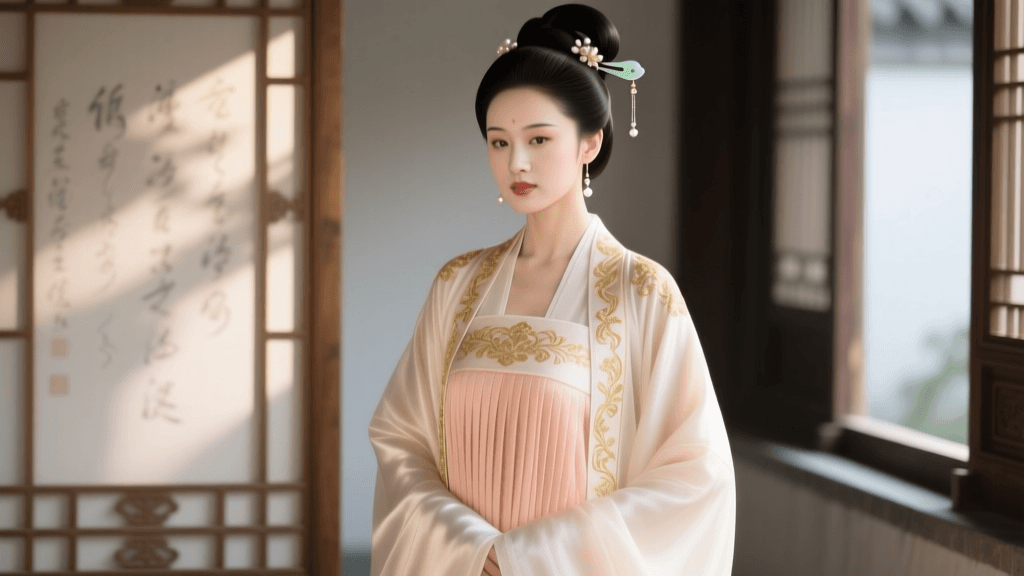
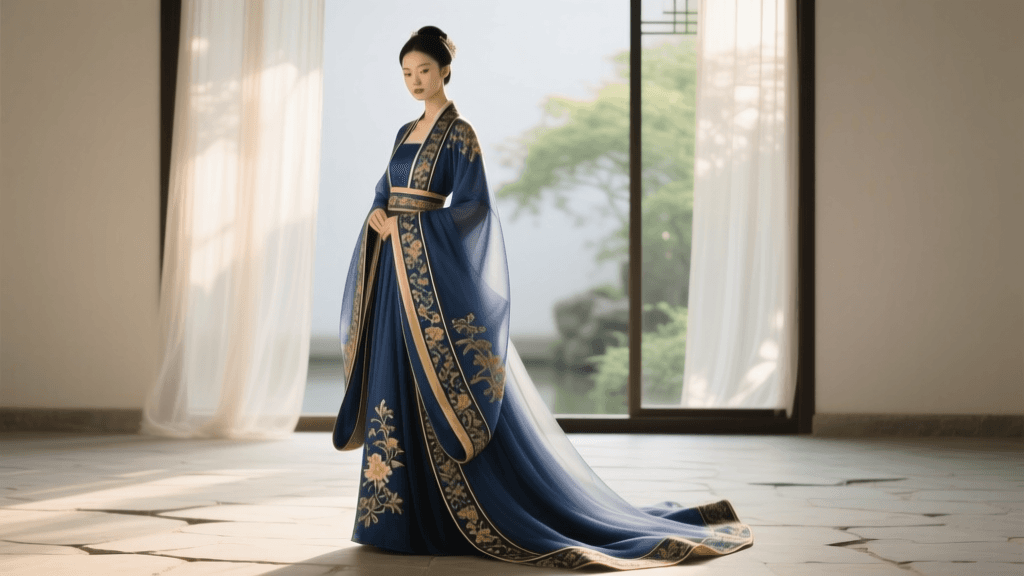
When exploring the upper echelons of traditional Chinese clothing, one quickly moves beyond standard silk weaves into the realm of haute Hanfu. This tier of historical fashion is defined by Intangible Cultural Heritage (ICH) crafts, specifically the meticulous arts of Kesi (silk tapestry) and Su Xiu (Suzhou embroidery). These techniques are not merely decorative; they are woven and stitched histories that represent the pinnacle of Chinese textile artistry. For modern enthusiasts, collectors, and cultural preservationists, understanding these crafts is essential for authentic appreciation and ethical commissioning.
According to UNESCO's Intangible Cultural Heritage listings, the sericulture and silk craftsmanship of China encompass a vast network of traditional skills passed down through generations. In the context of Hanfu, these skills elevate a garment from everyday wear to a wearable museum piece. This guide will break down the technical differences, commissioning processes, and care protocols for Kesi and Su embroidery.
Kesi (Silk Tapestry): The Woven Masterpiece
Kesi, which translates literally to "cut silk," is a slit tapestry technique that originated during the Han Dynasty and reached its zenith in the Song Dynasty. Unlike standard embroidery where threads are stitched onto a pre-existing base fabric, Kesi is woven on a specialized loom. The warp threads are entirely covered by the weft threads, which are turned back at the edge of each color block rather than passing across the entire width of the fabric.
Identifying Authentic Kesi
The hallmark of true Kesi is the presence of tiny horizontal slits or gaps where different color blocks meet. This creates a carved, three-dimensional effect that is impossible to replicate with standard weaving or digital printing. When evaluating a Kesi Hanfu panel, hold the fabric up to the light. You should see the distinct slit tapestry structure. As noted by The Metropolitan Museum of Art, this technique allows for incredible pictorial detail, making it the preferred medium for replicating imperial rank badges and elaborate scroll paintings on garments like the Mamianqun (horse-face skirt) or formal Yuanlingpao (round-collar robes).
Commissioning and Costs
Because Kesi is woven by hand, the production time is staggering. A single artisan may weave only a few square centimeters per day. Commissioning a full Kesi Mamianqun from a recognized Provincial or National ICH inheritor typically takes between 12 to 18 months. Prices reflect this labor, starting around $4,000 USD for small accent panels and easily exceeding $15,000 USD for fully woven skirts or robes.
Su Xiu (Suzhou Embroidery): The Needle's Poetry
While Kesi is a weaving technique, Su Xiu is the art of needle and thread. Originating in the Suzhou region over 2,000 years ago, this embroidery style is renowned for its delicate patterns, elegant colors, and the astonishing fineness of its stitches. The defining technique of high-grade Su embroidery is thread splitting. A single strand of silk thread is divided into halves, quarters, eighths, and eventually up to 1/32 or 1/64 of its original thickness.
Evaluating Stitch Density and Thread Quality
When inspecting a Su-embroidered Hanfu, look closely at the shading and gradients. Master artisans use the "Luan Zhen" (random stitch) or "Ping Xiu" (flat stitch) techniques to blend colors seamlessly, creating a painterly effect. The finer the thread split, the smoother the transition between colors. A high-quality embroidered collar or cuff on a Ming-style Aoqun (jacket and skirt) will feature stitches so fine they are nearly invisible to the naked eye, giving the silk a luminous, unbroken surface.
Comparison Chart: Kesi vs. Su Embroidery
Choosing between Kesi and Su embroidery depends on your budget, timeline, and the specific Hanfu silhouette you are commissioning. Below is a structured comparison to guide your decision.
| Feature | Kesi (Silk Tapestry) | Su Xiu (Suzhou Embroidery) |
|---|---|---|
| Primary Technique | Woven slit tapestry on a loom | Needle embroidery on base fabric |
| Visual Hallmark | Horizontal slits at color boundaries; identical on both sides | Painterly gradients; distinct raised texture on the front |
| Production Time | 12 to 24 months for full garments | 6 to 12 months for heavily embroidered panels |
| Estimated Cost (USD) | $4,000 - $20,000+ | $800 - $6,000 |
| Ideal Hanfu Application | Mamianqun panels, formal Yuanlingpao, Xiapei (stoles) | Collar edges, cuffs, Duijin (center-front) jackets, Yunjian (cloud shoulders) |
| Durability | High structural integrity, but slits can snag | Base fabric bears tension; threads can pull if caught |
Practical Guide to Commissioning Artisan Hanfu
Ordering a bespoke ICH garment requires precise communication and an understanding of traditional tailoring metrics. Unlike modern Western fashion, which relies on bust, waist, and hip measurements, traditional Hanfu is cut using flat, geometric patterns based on fabric width and specific proportional lengths.
Essential Measurements for the Artisan
- Tongxiu (Sleeve Length): Measured from the center back of the neck, across the shoulder, down to the desired sleeve end. For formal Ming dynasty styles with Pibo (large sleeves), this can exceed 130 cm.
- Yi Chang (Garment Length): Measured from the base of the back neck down to the desired hemline. An Ao (jacket) typically ends at the hip or mid-thigh, while a robe extends to the ankles.
- Jiaoling (Cross-Collar Overlap): For cross-collar garments, you must specify the depth of the overlap. A standard traditional overlap crosses the center front by 2 to 3 cm, ensuring modesty and structural balance without pulling the neckline.
- Xiu Kou (Sleeve Cuff Width): Specify whether you want narrow, practical cuffs (approx. 15-20 cm) or dramatic, formal wide cuffs (up to 60 cm).
Navigating Artisan Tiers
When commissioning, verify the artisan's credentials. In China, ICH inheritors are classified into Municipal, Provincial, and National tiers. A National-level inheritor will command premium prices and multi-year waitlists, but their work is considered an investment-grade asset. Many reputable studios employ Provincial-level masters who execute the core work, with the studio head providing the design and final quality control. Always request a signed certificate of authenticity and a breakdown of the specific silk grades used, such as 6A grade mulberry silk.
Caring for Intangible Heritage Garments
Garments featuring Kesi or Su embroidery are highly sensitive to environmental factors. The silk proteins and natural dyes require meticulous care to prevent degradation, color bleeding, or structural warping.
Storage Protocols
Never hang a heavily embroidered or Kesi-woven Hanfu on standard hangers. The weight of the dense silk threads will warp the base fabric and stress the warp threads over time. Instead, store the garment flat. Use acid-free, unbuffered tissue paper to stuff the sleeves and folds, preventing hard creases that can eventually snap the silk fibers. Place the folded garment in a 100% cotton or linen storage bag. Avoid plastic bins, which trap moisture and emit off-gassing chemicals that yellow silk.
Cleaning and Handling
Under no circumstances should Kesi or Su-embroidered Hanfu be dry-cleaned or washed at home. The chemical solvents used in standard dry cleaning can dissolve the natural sericin coating on the silk threads and cause metallic threads (often used in traditional couching techniques) to tarnish or bleed. If the garment becomes soiled, consult a textile conservator who specializes in historical Asian garments. When handling the piece, ensure your hands are freshly washed and free of lotions, or wear white cotton archival gloves to prevent the transfer of natural skin oils to the delicate silk fibers.
Conclusion
Investing in Kesi and Su embroidered Hanfu is an act of cultural preservation. By understanding the technical nuances of these Intangible Cultural Heritage crafts, collectors and enthusiasts can make informed decisions that support master artisans and ensure these ancient techniques survive for future generations. As historical textile research continues to highlight the global impact of the Silk Road and Chinese sericulture, the modern revival of these techniques in haute Hanfu serves as a living bridge to the past.