Mastering Japanese Dyeing: Shibori, Yuzen, and Kasuri Guide
Introduction to Japanese Resist Dyeing
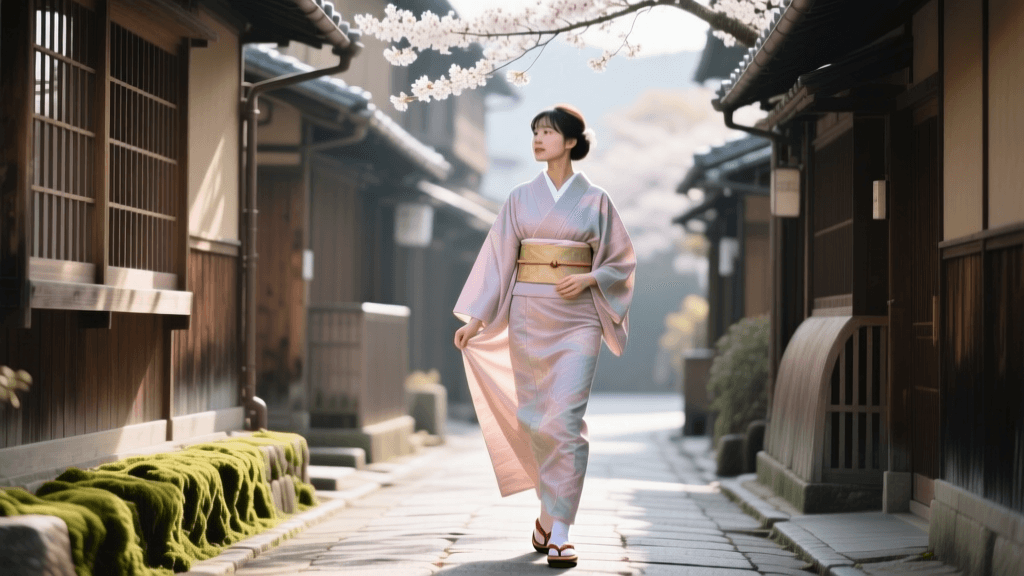
Japanese textile arts represent a profound intersection of nature, chemistry, and meticulous craftsmanship. For centuries, artisans have transformed plain silk, hemp, and cotton into breathtaking garments using resist-dyeing techniques. According to the Heilbrunn Timeline of Art History, these methods evolved from practical, working-class needs to highly regulated status symbols during the Edo period, eventually becoming the foundation of the modern kimono industry. Today, modern makers, vintage collectors, and traditional garment enthusiasts can recreate these stunning effects in a home studio. This comprehensive guide provides actionable, step-by-step instructions for mastering three foundational Japanese dyeing techniques: Shibori, Yuzen, and Kasuri.
Shibori: The Art of Shape-Resist Dyeing
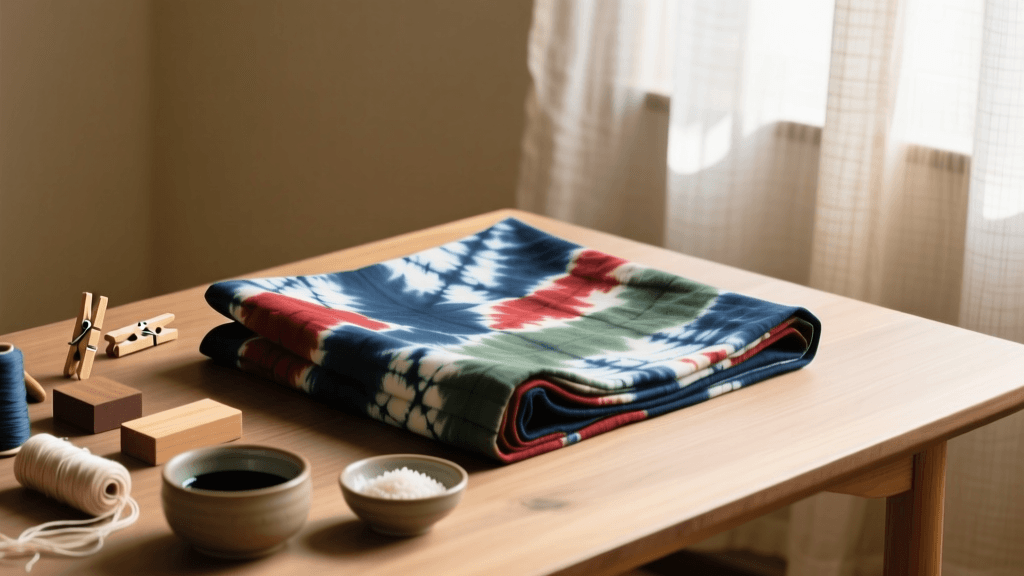
Shibori translates roughly to "to wring, squeeze, or press." It encompasses a vast array of shape-resist methods where fabric is physically manipulated—folded, clamped, stitched, or bound—before being submerged in a dye bath. The physical pressure prevents the dye from penetrating the bound areas, leaving striking white or undyed patterns against the colored background.
Practical Application: Kanoko and Arashi Shibori
The most accessible methods for beginners include Kanoko (bound resist) and Arashi (pole-wrapping resist). To begin any Shibori project, you must thoroughly scour your fabric to remove manufacturing oils and sizing. Use 1 teaspoon of Synthrapol per gallon of water, heating the bath to 160°F (71°C) and agitating the fabric for 20 minutes. Rinse thoroughly and let it dry.
For Kanoko, use waxed sinew thread or heavy-duty rubber bands to bind small pebbles, dried beans, or coins into the fabric. The tighter the bind, the crisper the white reserve will be. For Arashi, wrap the fabric diagonally around a PVC pipe or wooden pole, then bind it tightly with thread while compressing the fabric down the pole to create a rain-like, diagonal stripe pattern.
For dyeing, fiber-reactive Procion MX dyes are ideal for cellulose fibers like cotton, hemp, and linen. Dissolve 2 tablespoons of dye powder in 1 cup of warm water per pound of fabric. Add 1 cup of soda ash (sodium carbonate) to the bath to raise the pH and fix the dye. Maintain a temperature of 105°F (40°C) and agitate gently for 45 minutes, then let the fabric cure in the dye bath for up to 24 hours for maximum color saturation. Once cured, rinse in cold water until it runs clear, then unbind your fabric to reveal the pattern.
Yuzen: Paste-Resist and Freehand Painting
Originating in Kyoto during the late 17th century, Yuzen is a paste-resist technique that allows for intricate, multi-colored, freehand designs. Unlike Shibori's geometric or organic abstractions, Yuzen is used for highly detailed pictorial motifs like cranes, cherry blossoms, flowing water, and seasonal landscapes. The traditional method, Tsutsugaki, uses a cone to pipe rice-paste resist (itome-nori) onto the fabric, creating raised dams that prevent dyes from bleeding into one another.
Practical Application: Modern Home Studio Yuzen
Setting up for Yuzen requires specialized tools and a bit more patience. You will need a wooden frame or bamboo stretchers to keep the silk or fine cotton taut. While traditional rice paste requires precise fermentation, temperature control, and extensive washing, modern home studios can use synthetic water-based resists, such as Jacquard's Water-Based Resist, which mimic the properties of itome-nori but wash out easily in warm water.
Apply the resist using a fine-tipped applicator bottle or a traditional tsutsu cone. Ensure the lines are continuous and fully penetrate the fabric. Allow the resist to dry completely for 12 to 24 hours. Once dry, apply acid dyes or specialized fabric paints within the outlined boundaries using fine watercolor brushes. To set the colors and bond the dye to the silk fibers, the fabric must be steamed. Roll the fabric in unprinted newsprint to absorb excess moisture and prevent dye migration, then steam it in a dedicated textile steamer at 212°F (100°C) for 45 to 60 minutes. Finally, wash the fabric in warm water with a mild detergent to dissolve and rinse away the resist paste. For comprehensive tutorials on chemical resists, acid dye formulas, and steaming setups, the Dharma Trading Company Techniques database remains an invaluable, authoritative resource for modern dyers.
Kasuri: The Intricate World of Ikat Weaving
Kasuri is the Japanese term for Ikat, a highly complex technique where the yarns themselves are resist-dyed before they are woven into fabric. This creates a characteristic blurred or feathered edge to the patterns, known as kasuri (literally "blurred"). Traditional Kasuri, particularly from the Kurume, Bingo, and Okinawa regions, heavily relies on natural indigo (ai-zome) and requires immense mathematical precision to align the dyed yarns on the loom.
Practical Application: Indigo Yarn Dyeing
Kasuri is the most complex of the three techniques, requiring both dyeing and weaving skills. First, design your pattern on graph paper, calculating the exact length of yarn needed for the warp and weft, including loom waste. Wrap the specific sections of the yarn bundles tightly with vinyl tape or cotton string in the areas you want to remain undyed (white).
Next, prepare a natural indigo vat. A beginner-friendly, non-toxic fructose vat recipe includes 100 grams of natural indigo powder, 200 grams of calcium hydroxide (pickling lime), and 300 grams of fructose sugar dissolved in 5 gallons of water heated to exactly 110°F (43°C). The vat requires a highly alkaline environment with a pH between 10.5 and 11.5; use pH strips to monitor this closely. Dip the bound yarns into the vat for 3 minutes, then expose them to the air for 3 minutes to allow oxidation (turning them from yellow-green to deep blue). Repeat this dipping and oxidizing process 5 to 10 times depending on the desired depth of the blue. After a final rinse in a mild vinegar bath to neutralize the lime, dry the yarns and carefully remove the bindings to reveal the undyed white patterns. The preservation of these complex regional weaving traditions is heavily supported and documented by the Traditional Craft Industries of Japan, which provides extensive archives on regional Kasuri variations and master weavers.
Comparative Analysis: Cost, Time, and Complexity
When planning a home studio or deciding which technique to learn first, it is crucial to understand the varying demands of each method. The table below outlines the practical differences between Shibori, Yuzen, and Kasuri for a solo artisan.
| Technique | Primary Resist Method | Avg Setup Cost (USD) | Project Time | Skill Level |
|---|---|---|---|---|
| Shibori | Physical (Bind, Clamp, Fold) | $50 - $150 | 4 - 24 Hours | Beginner to Intermediate |
| Yuzen | Chemical (Paste Resist) | $150 - $300 | 2 - 5 Days | Intermediate to Advanced |
| Kasuri | Yarn Binding (Pre-loom Ikat) | $200 - $600+ | 1 - 3 Weeks | Advanced to Expert |
Sourcing Materials and Studio Safety
Establishing a safe and efficient dyeing studio requires attention to both material sourcing and personal protective equipment (PPE). When working with powdered dyes like Procion MX or natural indigo, always wear a NIOSH-approved N95 respirator or a half-mask respirator with particulate filters to avoid inhaling fine dye dust. Nitrile gloves and dedicated aprons are mandatory, as fiber-reactive dyes will permanently stain skin and clothing.
For sourcing high-quality blanks, Japanese artisans traditionally use Tango-chirimen (a highly textured silk crepe) for Yuzen, and tightly woven Kurume-gasuri cottons for everyday garments. While authentic Japanese milled fabrics can be imported through specialized dealers in Kyoto or Tokyo, North American and European makers can find excellent alternatives through wholesale textile suppliers like Dharma Trading Company or Testfabrics, which offer prepared-for-dyeing (PFD) silks, linens, and cottons that are scoured and ready for immediate use.
Proper ventilation is also critical, especially when steaming Yuzen fabrics or working with the ammonia-like fumes that can sometimes accompany reducing indigo vats. Ensure your studio space has cross-ventilation or an exhaust fan to maintain healthy air quality during long dyeing sessions.
Conclusion
Mastering the traditional Japanese dyeing techniques of Shibori, Yuzen, and Kasuri is a deeply rewarding journey that connects modern makers to centuries of textile history. Whether you are binding fabric for a vibrant Shibori haori, painting delicate cherry blossoms with Yuzen paste for a formal kimono, or meticulously aligning indigo-dyed yarns for a Kasuri obi, each method offers a unique meditation on patience, chemistry, and art. By understanding the specific tools, costs, and chemical requirements of each technique, you can confidently build a home studio capable of producing heirloom-quality Asian traditional garments.