Mastering Peking Opera Costumes for Cultural Festivals
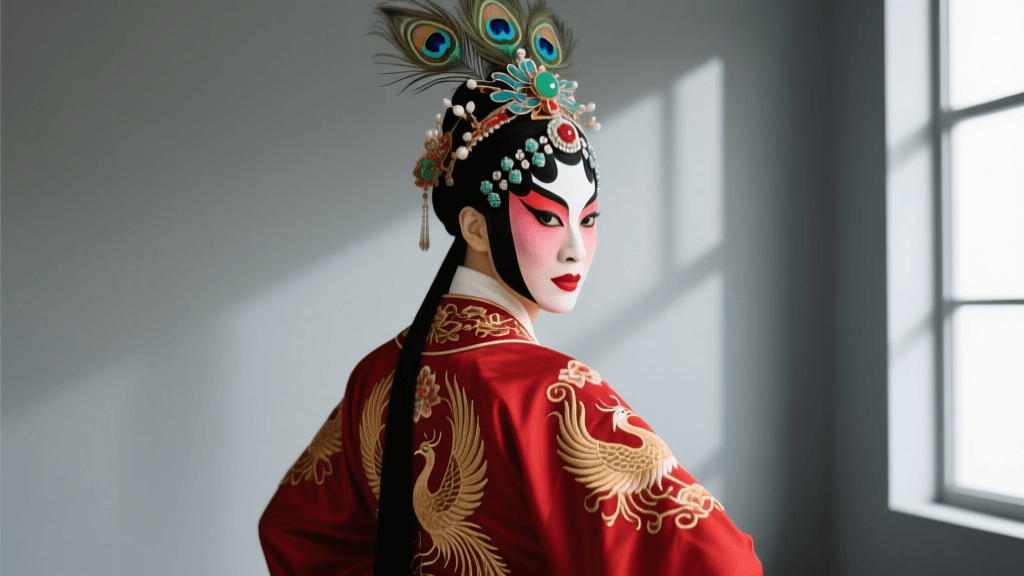
Peking Opera, known as Jingju, represents one of the most visually stunning and culturally significant performance arts in Asia. Recognized by UNESCO as an Intangible Cultural Heritage of Humanity, this art form relies heavily on its elaborate wardrobe to communicate character, status, and emotion before a single word is sung. While traditionally confined to the stage, the modern revival of Asian cultural festivals has brought these magnificent garments into outdoor, public spaces. However, transitioning a Peking Opera costume from a controlled theatrical environment to a vibrant, unpredictable outdoor festival requires careful planning, specific tailoring adjustments, and a deep understanding of traditional craftsmanship.
The Four Pillars of the Operatic Wardrobe
To effectively adapt these garments, one must first understand the foundational categories of the Peking Opera wardrobe, known collectively as Xingtou. The wardrobe is strictly codified, ignoring historical accuracy in favor of theatrical symbolism. Below is a breakdown of the four primary garment types and how they translate to festival environments.
| Garment Type | Chinese Name | Role / Status | Average Weight | Festival Adaptation Tip |
|---|---|---|---|---|
| Python Robe | Mang (蟒) | Emperors, High Officials | 8 - 12 kg | Replace heavy cotton batting with breathable linen linings. |
| Cloak | Pei (帔) | Nobles, Scholars, Ladies | 3 - 5 kg | Shorten water sleeves to prevent tripping in crowds. |
| Armor | Kao (靠) | Generals, Warriors | 12 - 18 kg | Use lightweight EVA foam for the back flags instead of wire. |
| Informal Robe | Xue (褶) | Commoners, Minor Officials | 2 - 4 kg | Ideal for all-day festival wear due to minimal structure. |
Adapting Stage Garments for Outdoor Festivals
Authentic stage costumes are masterpieces of silk, metallic thread, and dense embroidery. According to the Victoria and Albert Museum, traditional opera garments are designed for maximum visual impact under bright stage lights, often prioritizing silhouette and color over wearer comfort. When adapting these for a cultural festival—where performers or enthusiasts might wear them for six to ten hours—several practical modifications are essential to ensure safety and comfort.
Fabric Selection and Weather Considerations
Traditional Mang and Kao are heavily lined, sometimes weighing up to 18 kilograms when fully accessorized. For summer festivals, request a "festival-weight" adaptation from your tailor. This involves replacing the heavy inner cotton batting and stiff silk linings with breathable cotton-linen blends or moisture-wicking synthetic linings. While purists may object, this prevents heatstroke during outdoor parades. Furthermore, metallic threads (often silver or gold foil wrapped around silk cores) can tarnish or degrade under intense UV exposure and high humidity. If the festival is outdoors, consider garments embroidered with high-luster synthetic metallic yarns, which resist oxidation and are significantly lighter.
Sizing and Measurements for Performers
Opera costumes are typically tailored with generous ease to allow for acrobatic movements and the layering of padding. When commissioning a festival piece, precise measurements are critical to avoid wardrobe malfunctions in public spaces.
- Chest and Shoulders: Measure over the thickest undergarments you plan to wear. For a Kao (armor), add 4 inches of ease to the chest to accommodate the internal bamboo or wire framing.
- Sleeve Length (Water Sleeves/Shuixiu): Standard stage water sleeves range from 18 to 24 inches beyond the wrist. For crowded festival environments, reduce this to 12 inches to prevent tripping hazards or accidental trampling by attendees.
- Hemline Clearance: Stage robes often sweep the floor to hide the actor's feet during gliding steps. For outdoor walking, measure the hem to sit exactly 1.5 inches above the ankle bone when wearing your intended festival footwear (typically thick-soled boots).
Managing Headwear and Accessories (Koutou)
The headwear, or Koutou, is often the heaviest and most precarious part of the ensemble. A traditional phoenix crown (Fengguan) worn by noblewomen can weigh several kilograms and is covered in delicate kingfisher feather inlays (or modern synthetic equivalents) and swaying tassels. In an outdoor festival, wind is your greatest enemy. Always commission headwear with built-in elastic chin straps disguised by the collar, and use heavy-duty, matte-black bobby pins to anchor the base cap to the performer's hair. For martial characters wearing helmets with long pheasant tail feathers (Lingzi), ensure the feathers are detachable for transit and crowded areas, as they can easily snap or poke bystanders.
Budgeting: Rental vs. Custom Tailoring
Procuring these garments requires navigating a niche market. The cost and timeline vary drastically depending on whether you are renting for a single parade or commissioning a bespoke piece for a dance troupe.
- Rental: Expect to pay between $80 and $200 per day for a high-quality, authentic silk Mang or Kao. Rentals usually require a hefty security deposit ($500+) and are strictly limited to 24-48 hours. This is ideal for one-off festival appearances.
- Custom Tailoring (Machine Embroidery): Ranging from $400 to $900, machine-embroidered festival garments take 4 to 6 weeks to produce. They are durable, lighter, and easier to clean, making them the standard for university cultural clubs and amateur festival troupes.
- Custom Tailoring (Hand Embroidery / Su Xiu): Authentic Suzhou hand-embroidery is a luxury. A fully hand-embroidered Mang robe will cost between $2,500 and $8,000, with a lead time of 4 to 8 months. This is reserved for professional troupes and heritage exhibitions.
Maintenance, Cleaning, and Storage
The longevity of a festival costume depends entirely on post-event care. Britannica notes that the preservation of traditional Chinese theatrical arts relies heavily on the meticulous care of its physical artifacts. Never machine-wash a silk opera garment, as the agitation will destroy the structural integrity of the embroidery.
Post-Festival Cleaning Protocol
- Airing Out: Immediately upon returning, hang the garment on a padded, wide-shouldered hanger in a climate-controlled, shaded room for 24 hours to allow sweat and ambient moisture to evaporate.
- Spot Cleaning: Use a specialized silk detergent and a microfiber cloth to gently dab away sweat stains from the collar and inner cuffs. Never rub the embroidered areas, as this will fray the metallic threads.
- Professional Care: For deep cleaning, seek a dry cleaner who specializes in theatrical or historical garments. Standard dry-cleaning chemicals can strip the natural sericin from the silk and dissolve the adhesives used in traditional sequin and bead work.
Long-Term Storage
Store the garments flat in archival-quality, acid-free boxes. Stuff the sleeves and bodice with acid-free tissue paper to maintain the structural integrity of the embroidery and prevent hard creases, which can eventually snap the silk threads. Include silica gel packets to control humidity, but ensure they do not directly touch the fabric to avoid localized drying and brittleness.
Conclusion
Bringing Peking Opera costumes into the realm of modern cultural festivals is a beautiful way to keep Asian traditions alive and visible. By respecting the historical codification of the Xingtou while making intelligent, practical adaptations for outdoor wear, performers and cultural ambassadors can ensure these garments continue to dazzle audiences for generations to come.