Kimono Silhouettes in Global Pop Culture and Haute Couture

The Enduring Legacy of the Kimono in Western Media
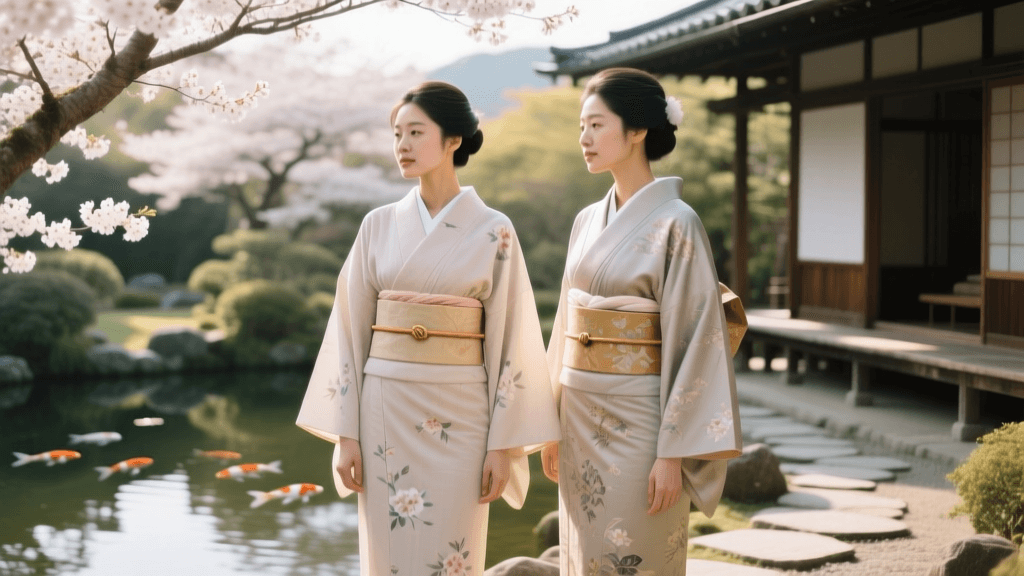
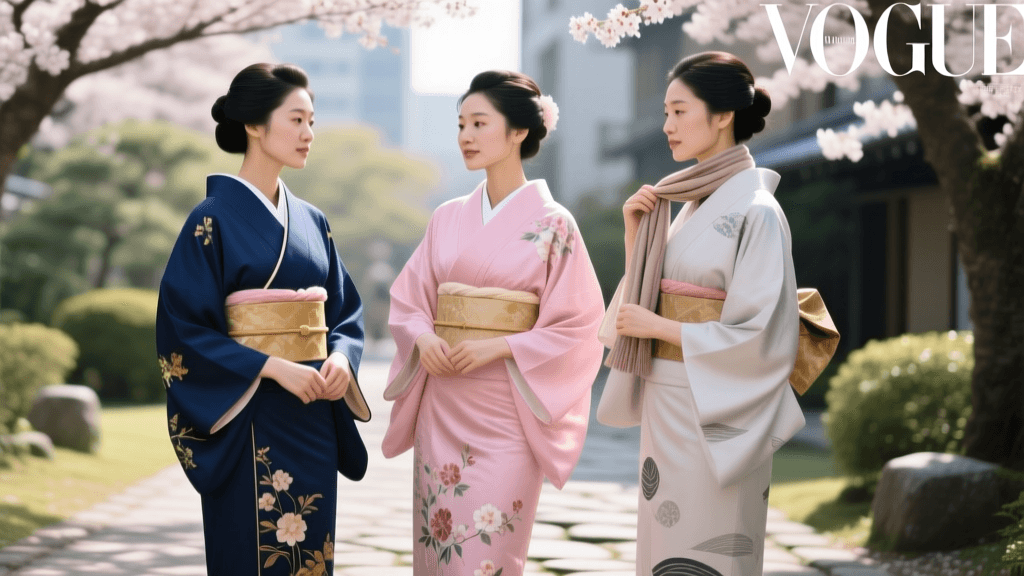
The traditional Japanese kimono is far more than a historical garment; it is a masterclass in modular architecture, negative space, and textile artistry. Over the past century, the kimono’s distinctive T-shaped silhouette, wide sleeves, and overlapping lapels have transcended their cultural origins to become a foundational pillar of global pop culture, Hollywood costuming, and haute couture. From the sweeping robes of science fiction epics to the avant-garde runways of Paris, the influence of Japanese traditional clothing is omnipresent. This article explores how the kimono has been adapted, reinterpreted, and celebrated in global media, offering a comprehensive guide to understanding and integrating these timeless silhouettes into a modern wardrobe.
The Roots of Japonisme and the Disruption of Western Tailoring
To understand the kimono’s impact on global fashion, one must look back to the late 19th-century phenomenon known as Japonisme. Following the opening of Japan’s borders in the 1850s, an influx of Japanese art, textiles, and garments flooded European markets. As detailed by the Metropolitan Museum of Art's Heilbrunn Timeline of Art History, Western artists and designers were captivated by the flat, two-dimensional patterns and the unstructured, flowing nature of Japanese clothing.
Unlike Western garments, which relied on complex darting, corsetry, and tailoring to mold fabric to the body's contours, the kimono was constructed from straight, rectangular bolts of fabric. This created a cylindrical, architectural space around the wearer—a concept known in Japanese aesthetics as Ma (negative space). Early European designers began incorporating kimono sleeves and wrap closures into tea gowns and dressing coats, fundamentally challenging the restrictive silhouettes of the Victorian era and paving the way for modern fashion liberation.
Haute Couture: From the Catwalk to the Avant-Garde
In the realm of high fashion, the kimono is frequently deconstructed to challenge conventional beauty standards. The landmark exhibition Kimono: Kyoto to Catwalk at the Victoria and Albert Museum extensively documented how iconic designers like Alexander McQueen, John Galliano, and Maison Margiela have utilized kimono elements.
The kimono is not merely a garment; it is an architectural space that redefines the relationship between the human body and the fabric that surrounds it.
McQueen’s legendary collections often featured dramatic, wide-cut sleeves and stiff, obi-inspired waist cinchers that transformed the delicate silk of traditional garments into fierce, armor-like statements. Galliano’s tenure at Dior saw the integration of Yuzen dyeing techniques and sweeping, floor-dragging kimono hems, blending 18th-century French opulence with Edo-period Japanese elegance. Meanwhile, avant-garde designers like Rei Kawakubo of Comme des Garçons and Yohji Yamamoto introduced the concept of deconstructed kimono layering to Paris in the 1980s, utilizing asymmetrical hems, raw edges, and monochromatic palettes that permanently altered the trajectory of global haute couture.
Hollywood and Sci-Fi: The Kimono as Futuristic Armor
Perhaps nowhere is the kimono’s silhouette more globally recognized than in Hollywood science fiction and fantasy. Costume designers frequently utilize the overlapping left-over-right lapel (the eri) and the wide, flowing sleeves of the kimono and hakama to convey a sense of ancient mysticism, monastic discipline, or futuristic nobility.
The most famous example is the Jedi Order in the Star Wars franchise. Costume designer John Mollo explicitly based the Jedi robes on a blend of East Asian martial arts uniforms, samurai hakama, and kimono layering. The heavy, draped fabrics and hidden pockets of the Jedi tunic mirror the practical yet deeply spiritual nature of traditional Japanese monastic wear. Similarly, in Denis Villeneuve’s Dune, the Bene Gesserit sisterhood and the Fremen stillsuits incorporate overlapping, modular layers and wide, protective cowls that echo the structural versatility of the kimono, allowing the garments to function as both environmental armor and symbols of ancient lineage.
Cyberpunk, Anime, and the Techwear Movement
In contemporary pop culture, particularly within anime, manga, and the global streetwear scene, the kimono has been reimagined through a cyberpunk lens. The techwear movement—heavily influenced by Japanese media like Ghost in the Shell and Death Stranding—frequently borrows the kimono’s modular closure systems. Brands like Acronym and Guerrilla Group utilize diagonal, overlapping zip-closures and wide, articulated sleeves made from Gore-Tex and ballistic nylon. This fusion of ancient Japanese patterning with hyper-modern, utilitarian fabrics represents a unique subculture where tradition meets dystopian futurism. Cosplayers and streetwear enthusiasts often layer a traditional silk haori (jacket) over modern cargo pants and combat boots, creating a striking visual juxtaposition that dominates global fashion capitals from Harajuku to Brooklyn.
Comparison Chart: Traditional Elements vs. Pop Culture Adaptations
| Traditional Element | Pop Culture / Media Adaptation | Material Shift | Notable Example |
|---|---|---|---|
| Overlapping Lapel (Eri) | Asymmetrical Sci-Fi Closures | Silk to Neoprene / Leather | Jedi Robes (Star Wars) |
| Wide, Drop Sleeves | Avant-Garde Couture Silhouettes | Rinzu Silk to Structured Taffeta | Alexander McQueen Runway |
| Obi (Sash) & Obi-jime | Utility Belts & Tactical Harnesses | Brocade to Ballistic Nylon | Techwear / Cyberpunk Cosplay |
| Hakama (Pleated Trousers) | Flowing Martial Arts / Fantasy Skirts | Wool/Cotton to Lightweight Chiffon | Avatar: The Last Airbender |
Actionable Guide: Integrating Kimono Silhouettes into Modern Wardrobes
Incorporating traditional Japanese garments into a contemporary, global wardrobe requires an understanding of proportions, fabric care, and styling. The most accessible entry point is the haori, a traditional hip- or thigh-length jacket worn over a kimono. Today, it serves as a versatile statement piece that can elevate modern streetwear or minimalist office attire.
Sizing and Measurements
Unlike Western clothing, kimono and haori are not sized by chest or waist measurements, but by yuki (the span from the center of the back neck, across the shoulder, and down to the wrist).
- Standard Vintage Haori Width: Typically 62cm to 68cm (24.5 to 26.5 inches) across the back. Because the front panels do not close, the haori is highly forgiving and can comfortably fit a wide range of body types, from US Women's XS to XL, or Men's S to L.
- Length (Mitake): Generally ranges from 75cm to 85cm (29.5 to 33.5 inches), hitting at the mid-thigh. This length is ideal for layering over tailored trousers or midi dresses without overwhelming the frame.
- Sleeve Drop: The sleeves are attached to the body with a deep, open underarm curve, allowing for significant movement and easy layering over thick modern sweaters.
Sourcing and Cost Guide
Building a collection of authentic and inspired pieces requires knowing where to look and what to expect regarding pricing.
- Authentic Vintage Silk Haori: Priced between $45 and $150. The best time to source these is during Japanese New Year (January) estate sales or the Obon season (August), when many families liquidate ancestral wardrobes. Platforms like Etsy, specialized Japanese proxy buying services, and curated vintage dealers are prime sources.
- Modern Washable Cotton/Polyester Kimono: Priced between $120 and $250. Brands produce machine-washable, pre-tied obi sets designed for modern, hassle-free wear. These are excellent for destination weddings or outdoor pop-culture conventions where delicate silk would be ruined.
- High-Fashion Kimono-Inspired Outerwear: Priced from $400 to over $1,500. Contemporary designers often use heavy wool crepe or technical fabrics to mimic the kimono drape while providing Western winter utility.
Styling and Maintenance Tips
To style a vintage haori in a modern context, treat it as an open-front duster coat. Pair a heavily patterned, Yuzen-dyed silk haori with a monochromatic base—such as a black turtleneck, tailored charcoal trousers, and leather Chelsea boots. This allows the intricate textile artistry to serve as the focal point of the outfit. For fastening, you can use a traditional haori-himo (a braided silk cord) or substitute it with a minimalist metallic chain or leather strap for an edgier, contemporary look.
Maintenance is critical. Never hang a silk kimono or haori on a wire or thin wooden hanger, as the weight of the fabric will distort the shoulder seams. Instead, use wide, padded hangers and store the garments in a cool, dark place, folded along their natural seam lines with acid-free tissue paper to prevent permanent creasing. For those looking to study the intricate internal construction and seam allowances of these garments before attempting DIY upcycling, the Kyoto Costume Institute Digital Archives offers an invaluable, high-resolution database of historical garment patterns and textile conservation techniques.
Conclusion
The journey of the kimono from the quiet, tatami-matted rooms of Edo-period Japan to the neon-lit runways of Paris and the CGI-heavy sets of Hollywood is a testament to its brilliant design. By understanding the architectural genius of the T-shape silhouette, the cultural weight of its patterns, and the practical mechanics of its construction, modern fashion enthusiasts can respectfully and creatively integrate these Asian traditions into their daily lives. Whether you are donning a vintage silk haori for a gallery opening or analyzing the tactical overlaps of your favorite sci-fi protagonist, the legacy of the kimono remains an indelible, evolving force in global pop culture.