Yukata vs Kimono: The Ultimate Summer Casual Wear Guide
Introduction to Japanese Summer Garments
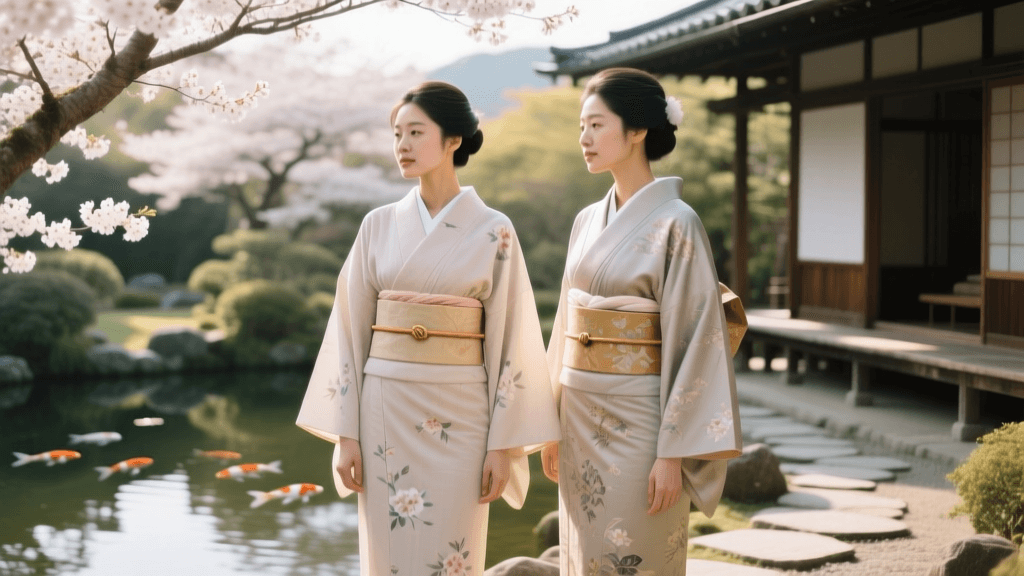
Summer in Japan is a vibrant, sensory-rich season defined by high humidity, lively street festivals (matsuri), and spectacular fireworks displays (hanabi taikai). For both locals and international travelers, participating in these events often involves wearing traditional Japanese clothing. However, a common point of confusion arises when choosing between a yukata and a kimono. While both share the iconic T-shaped silhouette, their construction, formality, and appropriate seasonal usage differ vastly. According to the Victoria and Albert Museum, the evolution of the T-shaped garment in Japan is deeply tied to social class, climate, and shifting aesthetic philosophies. Understanding these nuances is essential for anyone looking to respectfully and comfortably navigate Japanese summer traditions.
The Fundamental Differences: Yukata vs. Kimono
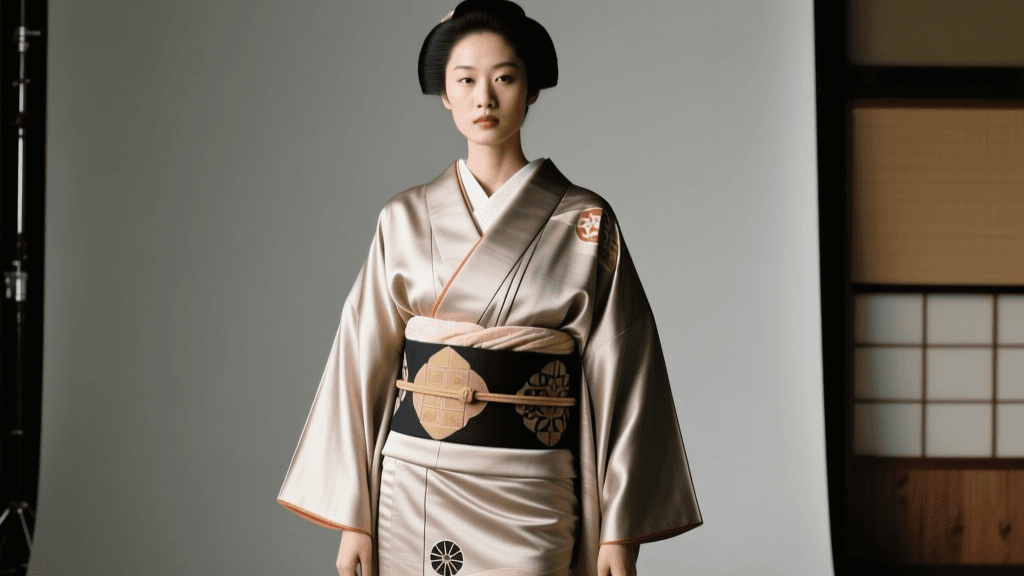
The word "kimono" literally translates to "thing to wear" (ki = wear, mono = thing). Historically, it referred to all clothing, but today it specifically denotes formal or semi-formal traditional garments made primarily of silk, featuring multiple layers and intricate accessories. The yukata, on the other hand, is a specific type of informal summer kimono. Originally worn by the nobility as a bathrobe during the Heian period (794–1185), the yukata evolved into the everyday cotton garment of the working class during the Edo period. Today, it stands as Japan's ultimate summer casual wear, designed to be lightweight, breathable, and easy to put on without professional assistance.
Comprehensive Comparison Chart
To help you decide which garment is appropriate for your summer itinerary, refer to the comparison table below:
| Feature | Yukata (Summer Casual) | Summer Kimono (Hitoe / Ro / Sha) | Formal Kimono (Lined) |
|---|---|---|---|
| Fabric | Cotton, linen, or synthetic blends | Unlined silk, Ro (leno weave), Sha (gauze) | Heavy lined silk, brocade, crepe |
| Undergarments | Simple slip (hadajuban) or camisole | Lightweight summer under-kimono (nagajuban) | Full nagajuban with eri (collar) insert |
| Footwear | Geta (wooden sandals) with bare feet | Zori or Geta with tabi (split-toe socks) | Zori with white tabi socks |
| Obi (Sash) | Hanhaba (half-width) or soft heko obi | Nagoya or lightweight Fukuro obi | Stiff, heavily brocaded Fukuro obi |
| Average Rental Cost | 3,000 - 5,000 JPY ($20 - $35 USD) | 7,000 - 12,000 JPY ($45 - $80 USD) | 8,000 - 15,000+ JPY ($55 - $100+ USD) |
| Best Occasions | Fireworks, street festivals, casual strolls | Tea ceremonies, summer weddings, fine dining | Weddings, graduations, formal tea ceremonies |
Summer Kimono: Hitoe, Ro, and Sha
If you are attending a formal summer event, such as a traditional tea ceremony, a high-end dinner, or a summer wedding, a yukata will be considered underdressed. Instead, you must opt for a summer kimono. As noted by The Metropolitan Museum of Art, the seasonal adaptation of silk garments in Japan represents a pinnacle of textile engineering. Summer kimonos generally fall into three categories:
- Hitoe (Unlined): Worn in June and September, these are made of a single layer of silk without the inner lining found in winter kimonos, allowing for better air circulation.
- Ro (Leno Weave): Worn in July, Ro silk features a distinctive woven pattern that creates tiny, uniform gaps in the fabric, making it semi-transparent and highly breathable.
- Sha (Gauze): Worn in August, Sha is even more sheer and lightweight than Ro, often featuring delicate, painted summer motifs like morning glories, flowing water, or goldfish.
Because Ro and Sha kimonos are semi-transparent, wearing the correct nagajuban (under-kimono) is mandatory to maintain modesty and adhere to traditional aesthetics. This added layer, along with the requirement for tabi socks and formal obi tying techniques, means that wearing a summer kimono usually requires the help of a professional dresser.
The Yukata: Japan's Ultimate Summer Casual Wear
For 90% of summer tourist activities, the yukata is the perfect choice. Made from crisp cotton or modern, easy-care polyester blends, the yukata is designed to be worn directly over a simple cotton slip or modern camisole. The lack of a formal nagajuban makes it significantly cooler in Japan's sweltering July and August heat. According to Japan Guide, the yukata's accessibility and vibrant, modern patterns have made it incredibly popular among young people and international visitors alike.
Yukata are typically paired with a hanhaba obi (a half-width sash that is easier to tie into decorative bows) and geta (wooden clogs). Unlike formal footwear, geta are worn with bare feet, which adds to the breezy, relaxed vibe of the garment. When walking through the historic streets of Kyoto's Gion district or attending the famous Sumidagawa Fireworks Festival in Tokyo, the yukata is the undisputed uniform of the season.
Practical Guide: Renting vs. Buying in Japan
When planning your summer wardrobe, you must decide whether to rent or purchase your garment. Both options offer distinct advantages depending on your budget, itinerary, and desire for authenticity.
Renting a Yukata or Kimono
Renting is the most popular option for tourists. Shops are heavily concentrated in cultural hubs like Asakusa (Tokyo), Higashiyama (Kyoto), and Kanazawa.
- Costs: A standard yukata rental package costs between 3,000 and 5,000 JPY ($20 to $35 USD). This almost always includes the garment, obi, sandals, a small drawstring bag, and professional dressing services.
- Timing: During peak summer festivals (such as the Gion Matsuri in mid-July), rental shops book out rapidly. You should reserve your slot at least 3 to 4 weeks in advance.
- Measurements: Rental shops carry "free size" garments that fit most heights between 155cm and 175cm (5'1" to 5'9"). The length is adjusted using the ohashori (the waist fold), making precise tailoring unnecessary.
Buying a Vintage or New Yukata
If you want a keepsake or plan to attend multiple festivals, buying is highly recommended.
- Recycled Kimono Shops: Stores like Chicago in Tokyo or the vintage markets at Toji Temple in Kyoto offer incredible second-hand cotton yukata for as little as 3,000 to 8,000 JPY ($20 to $55 USD). These vintage pieces often feature superior, hand-dyed indigo cotton that breathes better than modern polyester.
- Understanding Measurements: When buying, you must check the yuki (arm span). Measure from the center of your back neck, over your shoulder, to your wrist. The garment's yuki should match this measurement within 2-3 centimeters to ensure the sleeves drape elegantly without exposing your wrists or swallowing your hands.
- Modern Retailers: Brands like Yamamoto or Tutiya sell modern, pre-washed cotton yukata sets online and in department stores for around 10,000 to 15,000 JPY ($65 to $100 USD), often including the obi and geta.
Essential Etiquette and Styling Rules
Wearing traditional Japanese clothing comes with a strict set of etiquette rules. Violating these can be seen as disrespectful or, at the very least, a major fashion faux pas.
The Golden Rule: Left Over Right
The most critical rule of wearing any kimono or yukata is the collar placement. You must always wrap the left side over the right side. In Japanese culture, wrapping the right side over the left (sajin) is strictly reserved for dressing the deceased for burial. Double-check your mirror before stepping out; remember that the mirror will flip the image, so the physical left panel of the garment must cross over your right hip.
The Eri-Nuki (Collar Gap)
Unlike Western clothing where collars are pulled tight against the neck, traditional Japanese garments require a deliberate gap at the nape of the neck, known as eri-nuki. For women, this gap should be large enough to fit a closed fist between the collar and the skin. This exposes the nape, which is historically considered one of the most elegant and alluring parts of the body. Men wear their collars much closer to the neck, with only a slight, subtle gap.
Hemline and Posture
The hemline of a kimono should ideally graze the ankle bone. However, for a casual yukata worn at a summer festival, it is acceptable (and practical) to hike the hem slightly higher to the mid-calf to prevent the fabric from dragging in the dirt or getting wet from rain. When walking, practice taking smaller, sliding steps. Large strides will cause the fabric to pull tight, disrupting the elegant, columnar silhouette that the garment is designed to create.
Conclusion
Navigating the choice between a yukata and a kimono during the Japanese summer ultimately comes down to understanding the context of your activities. For casual evenings spent eating street food at a fireworks festival, the breathable cotton of a yukata paired with wooden geta is the perfect, culturally appropriate choice. However, if your itinerary includes formal indoor events, stepping up to a sheer Ro or Sha summer kimono demonstrates a profound respect for Japanese textile arts and seasonal etiquette. By paying attention to the measurements, securing your rentals early, and strictly observing the left-over-right collar rule, you can fully immerse yourself in the magic of a Japanese summer while honoring the deep traditions woven into every thread.