Celebrity Kimono Trends: Replicate Influencer Styles
The Global Takeover of the Kimono and Haori
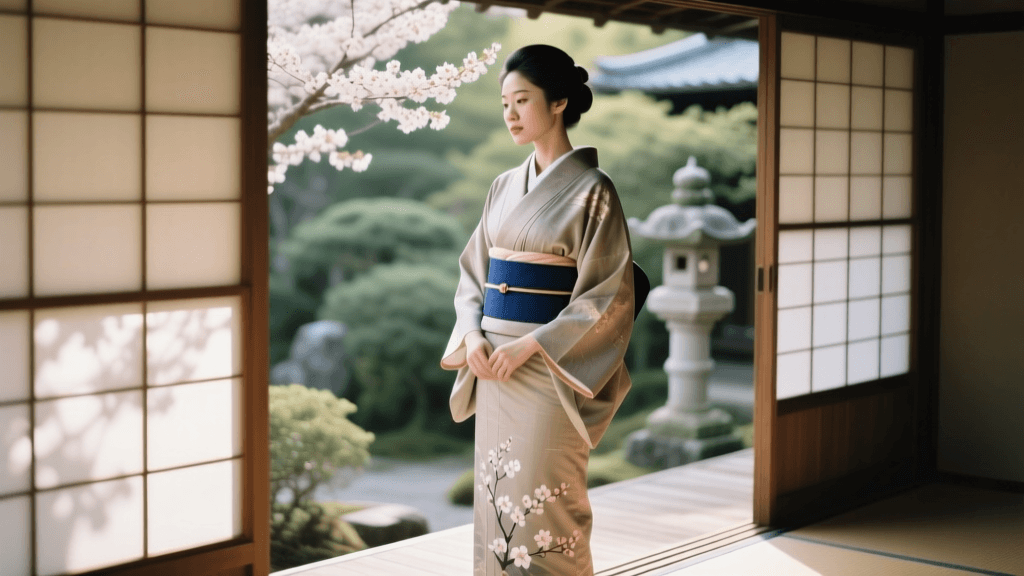
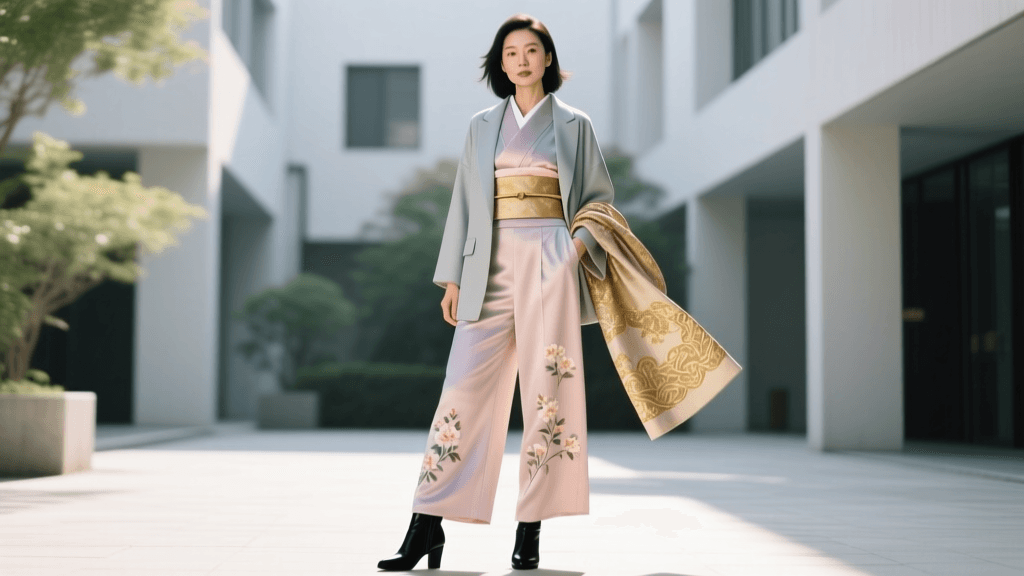
Over the past decade, the traditional Japanese kimono and its shorter, open-front counterpart, the haori, have transcended their cultural origins to become highly sought-after staples in global streetwear and high fashion. Driven by style icons like Rihanna, A$AP Rocky, Zendaya, and Tyler, the Creator, the silhouette of the kimono has been reimagined for the modern wardrobe. No longer confined to formal ceremonies or tourist rental experiences in Kyoto, these garments are now front-and-center at music festivals, high-fashion editorials, and the streets of Harajuku and Brooklyn alike.
For fashion enthusiasts and influencers, integrating traditional Japanese garments into contemporary outfits offers a unique blend of structural elegance, bold textile art, and gender-fluid styling. However, replicating these celebrity looks requires more than just throwing on a vintage robe; it demands an understanding of garment architecture, proper sizing, and respectful cultural appreciation.
The Cross-Cultural Runway
The integration of Japanese silhouettes into Western fashion is not entirely new, but the current influencer-driven wave is distinct in its focus on authentic, vintage sourcing rather than mass-produced, culturally diluted knock-offs. As highlighted by the Victoria and Albert Museum, the kimono has a long history of influencing Western designers, from Paul Poiret in the 1910s to Alexander McQueen. Today, however, the power has shifted. Influencers and celebrities are bypassing Western interpretations and sourcing authentic, pre-loved Japanese garments directly, styling them with contemporary streetwear to create a striking visual contrast.
'The kimono is not a static, traditional garment, but a dynamic, fashionable one that has continuously evolved and crossed borders.' — Victoria and Albert Museum Exhibition Curators
Deconstructing Celebrity and Influencer Kimono Looks
To replicate the looks seen on Instagram, TikTok, and the red carpet, it is essential to understand the different archetypes of celebrity kimono styling. Below is a comparison chart breaking down the most popular influencer trends, the garments required, and the estimated costs to build these wardrobes.
| Celebrity Archetype | Key Garment | Styling Elements | Estimated Budget | Best Occasion |
|---|---|---|---|---|
| The Streetwear Icon (e.g., A$AP Rocky, Tyler, the Creator) | Vintage Silk Haori (Open-front jacket) | Graphic tee, baggy denim or cargos, chunky sneakers, silver jewelry. | $40 - $90 USD | Casual outings, music festivals, street style photography. |
| The Red Carpet Muse (e.g., Zendaya, Rihanna) | Antique Silk Furisode or Uchikake (Long-sleeve wrap) | Corset belt, stilettos or thigh-high boots, minimalist gold jewelry, sleek updo. | $200 - $800+ USD | Galas, high-fashion editorials, avant-garde parties. |
| The Indie/Boho Influencer | Cotton Yukata or Samue (Workwear) | Linen trousers, leather mules, woven tote bags, natural makeup. | $50 - $120 USD | Resort wear, summer dinners, art gallery openings. |
The Streetwear Haori: The Ultimate Entry Point
The haori is the most accessible entry point for modern styling. Originally worn over the kimono for warmth or as a status marker, the haori does not require the complex folding and tying of an obi belt. Influencers frequently drape vintage silk haoris over plain white t-shirts and relaxed-fit denim. The bold, hand-painted motifs on the lining (known as hakkake) or the subtle family crests (mon) on the exterior provide a rich texture that elevates basic streetwear.
The Avant-Garde Wrap
For high-fashion editorial looks, celebrities often utilize the furisode (long-sleeved kimono for unmarried women) or heavily embroidered outer layers. By treating the kimono as a wrap coat and securing it with a wide leather obi belt or a structured corset, influencers create a striking, hourglass silhouette that merges Edo-period craftsmanship with modern fetish or avant-garde fashion cues.
The Sizing Matrix: How to Measure for Vintage Pieces
Unlike Western clothing, traditional Japanese garments are not sized by S, M, or L. They are constructed from straight bolts of fabric (tanmono), meaning width adjustments are limited, but length can be managed through styling. When shopping on vintage sites, Etsy, or in Tokyo's thrift stores, you must know three critical measurements:
- Yuki (裄 - Center Back to Wrist): This is the most crucial measurement for sleeve length. It is measured from the center back seam of the neck, across the shoulder, and down to the wrist. For a modern, oversized influencer look, aim for a yuki of 68cm to 75cm. Anything below 62cm will look cropped and may restrict movement.
- Mitake (身丈 - Back Length): Measured from the base of the collar to the bottom hem. A standard vintage kimono ranges from 150cm to 165cm. If you are wearing it as a floor-length duster over modern clothes, a mitake of 160cm+ is ideal for most heights.
- Migoro Width (身幅): The width of the main body panels. Because kimonos wrap, the total circumference is roughly double the panel width plus the overlap. A standard width accommodates a wide range of body types, but plus-size stylists should look for garments specifically noted as having extra-wide panels or side gussets.
Actionable Guide: Sourcing and Shopping
Authenticity is paramount when participating in this trend. Mass-market retailers often sell 'kimono cardigans' made of cheap polyester with culturally inaccurate, sometimes offensive, mash-up prints. True fashion connoisseurs seek out genuine, pre-loved Japanese garments.
Where to Buy
If you are traveling to Japan, Tokyo's Shimokitazawa and Koenji neighborhoods are goldmines for vintage haoris and casual kimonos, with prices starting as low as 3,000 JPY ($20 USD). For high-end antique silks, Kyoto's Toji Temple flea market (held on the 21st of each month) is unparalleled. According to Savvy Tokyo, specialized vintage shops like 'Chicago' in Harajuku or 'Sokkyou' in Shimokitazawa offer curated, high-quality pieces that have been inspected for damage.
For international buyers, platforms like eBay, Etsy, and specialized Japanese proxy services (such as Buyee or ZenMarket) allow you to bid on Yahoo! Auctions Japan, where you can find museum-quality Taisho-era (1912-1926) silks for a fraction of Western boutique prices.
Modern Styling Hacks for the Contemporary Wardrobe
To successfully merge traditional Japanese garments with modern fashion, influencers rely on a few key styling hacks that respect the garment's structure while adapting it for contemporary life:
- Ditch the Traditional Obi: Tying a formal silk obi requires years of practice and specialized accessories (obi-jime, obi-age). Instead, use a wide leather belt, a canvas webbing belt, or a corset belt to cinch the waist. This creates a modern silhouette while keeping the garment secure.
- Footwear Contrast: While zori and geta (traditional sandals) are beautiful, they are impractical for city walking and can look like a costume when paired with Western clothing. Influencers pair kimonos with chunky boots (like Dr. Martens or Maison Margiela Tabi boots), sleek leather mules, or high-end sneakers to ground the outfit in modern reality.
- Layering over Turtlenecks: In autumn and winter, layer a silk kimono over a fitted black or cream turtleneck and tailored trousers. The high neck of the turtleneck frames the V-neckline of the kimono beautifully, providing warmth without disrupting the garment's natural drape.
Navigating Cultural Appreciation vs. Appropriation
When adopting traditional garments from a culture other than your own, the line between appreciation and appropriation is a frequent topic of discourse. The key to respectful styling lies in education, authentic sourcing, and context. Wearing a genuine, vintage kimono purchased from a Japanese vendor honors the artisans who created it. Conversely, wearing cheap, mass-produced 'geisha costumes' for Halloween reduces a rich cultural heritage to a caricature.
As noted in coverage by The Japan Times regarding the global exhibition of Japanese fashion, many Japanese cultural ambassadors and artisans actively encourage the global community to wear and enjoy kimono, provided it is done with an understanding of its history and a rejection of stereotypical, hyper-sexualized costuming. Supporting Japanese artisans, vintage dealers, and proper care methods is the ultimate form of appreciation.
Care and Maintenance of Vintage Silks
Vintage kimonos and haoris are primarily made from silk, including textured weaves like chirimen (crepe) or lightweight summer weaves like ro and sha. These fabrics require specific care to ensure they last for another century:
- Airing Out: After wearing, hang the garment on a wide, padded hanger in a shaded, well-ventilated area for 24 hours to allow moisture and odors to dissipate. Never expose vintage silk to direct sunlight, as the dyes will fade rapidly.
- Storage: Store silk garments folded in tatoushi (traditional acid-free paper envelopes) or plain, unbleached cotton sheets. Avoid plastic bins, which trap moisture and encourage mold growth or yellowing of the silk fibers.
- Cleaning: Never machine wash or hand wash vintage silk. Water can cause the dyes to bleed and the chirimen texture to shrink irreversibly. Seek out a dry cleaner who specializes in 'kimono arai' (traditional kimono cleaning) or use specialized spot-cleaning techniques for minor stains.
Conclusion
The celebrity and influencer adoption of the kimono and haori is more than a fleeting trend; it is a testament to the timeless architectural brilliance and textile mastery of Japanese artisans. By understanding the proper measurements, sourcing authentic vintage pieces, and employing modern styling hacks, you can seamlessly integrate these historic garments into your contemporary wardrobe. Whether you are draping a silk haori over streetwear or cinching an antique wrap with a leather corset belt, you are participating in a rich, cross-cultural fashion dialogue that honors the past while boldly stepping into the future.