Navigating Kimono Etiquette: Dress Codes and Formal Rules
The Golden Rule of Japanese Dress: TPO
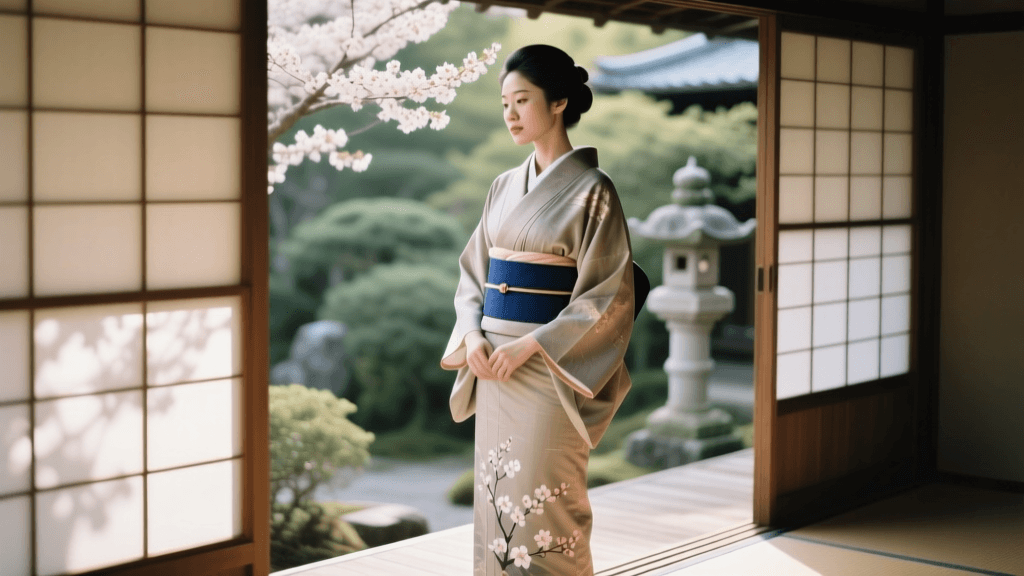
In the intricate world of traditional Japanese garments, the concept of 'TPO'—Time, Place, and Occasion—is the absolute governing principle of kimono etiquette. Unlike Western fashion, where personal expression often overrides strict sartorial rules, wearing a kimono requires a deep understanding of social harmony, respect for the host, and awareness of the environment. According to the Metropolitan Museum of Art, the kimono evolved from a simple undergarment into a highly codified outer robe that communicates the wearer's age, marital status, and the specific formality of the event they are attending. Misunderstanding these codes can lead to social faux pas, such as outshining a bride at a wedding or appearing disrespectfully casual at a funeral.
For both locals and international visitors, navigating these rules can seem daunting. However, by breaking down the hierarchy of kimono types, understanding the significance of family crests, and mastering the physical rules of dressing, anyone can participate in Japanese formal traditions with grace and respect.
The Kimono Formality Hierarchy
The foundation of kimono etiquette lies in matching the garment's formality to the event. Formality is determined by several factors: the presence and number of kamon (family crests), the complexity and placement of the dye pattern, the fabric type, and the choice of obi (sash). Below is a comprehensive guide to the primary kimono types and their appropriate occasions.
| Kimono Type | Formality Level | Ideal Occasions | Matching Obi |
|---|---|---|---|
| Kurotomesode | Highest (Married) | Weddings (close relatives) | Maru / Fukuro |
| Furisode | Highest (Unmarried) | Coming of Age, Weddings | Fukuro |
| Mofuku | Highest (Mourning) | Funerals, memorial services | Black Fukuro |
| Houmongi | Formal | Tea ceremonies, galas, weddings | Fukuro |
| Tsukesage | Semi-Formal | Dinners, casual parties, classes | Fukuro / Nagoya |
| Komon | Casual | Shopping, casual outings | Nagoya / Hanhaba |
| Yukata | Informal | Summer festivals, onsens | Hanhaba |
Pinnacle Formality: Kurotomesode and Furisode
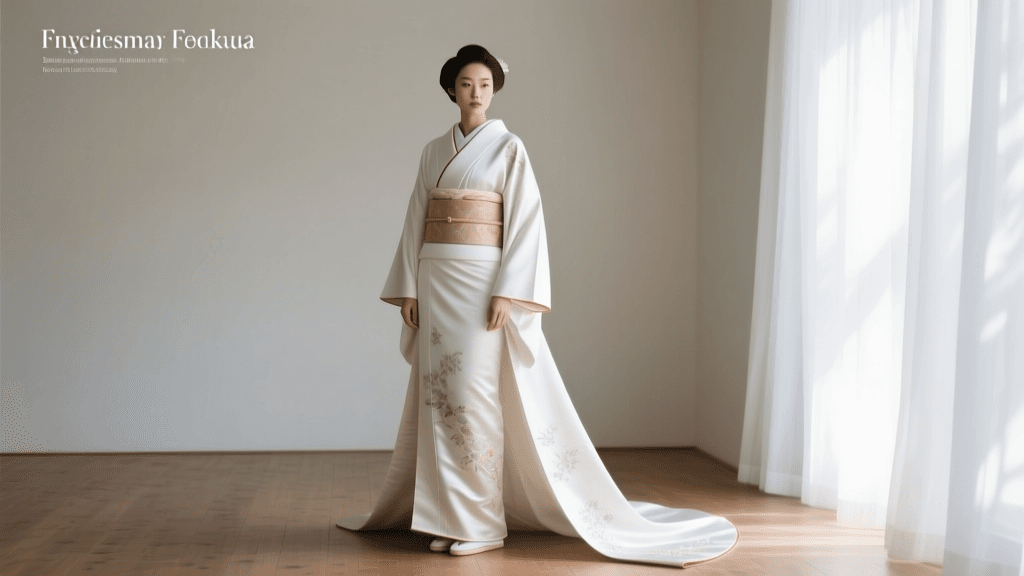
At the top of the hierarchy are the kurotomesode and furisode. The kurotomesode is a solid black kimono with patterns restricted only to the lower half below the waist. It features five white family crests and is exclusively worn by married women, typically the mothers of the bride and groom at weddings. Conversely, the furisode is characterized by its dramatically long, swinging sleeves (measuring up to 114 cm in length) and vibrant, all-over patterns. It is the highest formality garment for unmarried women, prominently featured during the Seijin Shiki (Coming of Age Day) and worn by unmarried female relatives at weddings.
Semi-Formal Elegance: Houmongi and Tsukesage
For events that require elegance without the strict rigidity of black-tie equivalents, the houmongi (visiting dress) and tsukesage are the garments of choice. A houmongi features a continuous pattern that flows seamlessly across the seams, making it suitable for both married and unmarried women attending tea ceremonies, gallery openings, or formal dinners. The tsukesage is slightly more subdued, with patterns that do not cross the seams and generally point upward from the hem. It is the perfect 'safe' choice for a guest attending a traditional Japanese wedding, as it is respectful but ensures the guest does not outshine the bridal party.
Everyday and Casual: Komon and Yukata
The komon is an everyday kimono featuring a small, repeating pattern across the entire fabric. It is appropriate for casual dining, shopping, or attending casual cultural classes. The yukata, made of lightweight cotton or hemp, is strictly informal. As noted by the Japan National Tourism Organization, yukata are primarily worn during summer festivals (matsuri), fireworks displays, or as lounge wear at traditional ryokan inns and hot spring resorts. Wearing a yukata to a formal indoor event or a winter gathering is considered a significant breach of etiquette.
The Significance of Kamon (Family Crests)
The number of kamon embroidered onto a silk kimono instantly broadcasts its formality. A kimono with five crests (itsutsumon) is reserved for the most formal occasions, such as weddings and funerals. Three crests (mitsumon) denote semi-formal wear, appropriate for formal parties or ceremonies. One crest (hitotsumon) is for slightly more casual but still refined gatherings. Kimono with zero crests are generally considered casual or everyday wear. When attending a formal event, it is crucial to ensure your kimono has the appropriate number of crests; wearing a crestless kimono to a wedding implies a lack of respect for the formality of the union.
Crucial Dressing Etiquette and Physical Rules
Beyond selecting the correct garment, the physical act of wearing the kimono is bound by strict rules that must never be broken.
Left Over Right
The most critical and non-negotiable rule of kimono dressing is that the left side of the garment must always wrap over the right side. Wrapping right over left (migi-mae) is strictly reserved for dressing the deceased for burial. Making this mistake in daily life is considered highly inauspicious and shocking to onlookers.
The Nukite (Collar Gap)
The collar of the kimono should not sit flush against the back of the neck. The nukite, or the gap between the collar and the nape of the neck, should be pulled back to accommodate roughly the width of a fist (about 8 to 10 centimeters). This exposes the nape of the neck, which is traditionally considered one of the most elegant and sensual parts of the female form in Japanese aesthetics. For men, the collar sits closer to the neck, with a much smaller gap.
The Ohashori (Waist Fold)
When dressing women, an adjustable fold called the ohashori is created at the waist to ensure the hem falls perfectly at the ankle. This fold must be visible beneath the obi, sitting horizontally and neatly. A missing or messy ohashori makes the outfit look sloppy and ill-fitted. Men's kimono are worn without an ohashori, with the hem tied securely at the hips.
Seasonality and Fabric Rules
Japanese culture is deeply intertwined with the changing of the seasons, and kimono etiquette demands that garments reflect the current climate and natural motifs.
- Awase (Lined Kimono): Worn from October through May. These silk garments feature an inner lining for warmth.
- Hitoe (Unlined Kimono): Worn during the transitional months of June and September. They are made of a single layer of fabric.
- Ro and Sha (Sheer Kimono): Worn during the peak heat of July and August. These are made from sheer, gauze-like silk that allows for airflow.
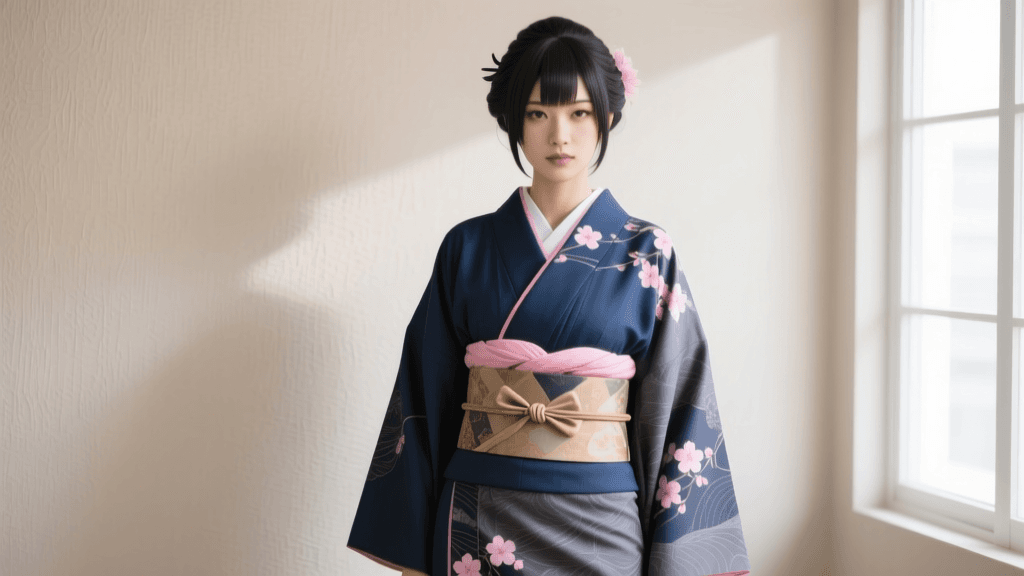
Furthermore, the motifs on the kimono should slightly precede the actual season. For example, cherry blossom motifs are worn in late March and early April, before the flowers fully bloom, as wearing a motif after the flowers have fallen is considered bad luck and aesthetically 'late'.
Accessory Protocols: Footwear and Obi
A kimono is never complete without its accessories, which also carry strict rules. Formal kimono require zori (straw or brocade sandals) worn with white tabi (split-toe socks). Bare feet or standard socks are unacceptable in formal settings. For casual komon or yukata, wooden geta and bare feet (or colored tabi) are permissible. The obi must also match the formality. A heavy, ornate fukuro obi (measuring roughly 4.2 meters in length and 30 cm in width) is required for formal wear, while a shorter, softer nagoya obi is used for semi-formal and casual outfits.
Renting vs. Buying for Formal Occasions
For international visitors or those who do not own a full wardrobe of formal kimono, renting is a highly practical and culturally accepted solution. Rental shops in cities like Kyoto and Tokyo offer comprehensive packages that include the kimono, obi, undergarments (juban), tabi, zori, and professional dressing services. A formal furisode or houmongi rental package typically costs between ¥15,000 and ¥30,000 ($100 to $200 USD) for the day, which includes the expertise of a licensed kitsuke (dressing) professional. This ensures that all rules, from the ohashori fold to the correct collar alignment, are executed flawlessly.
'The kimono is not merely a garment to cover the body; it is a canvas of social respect, seasonal awareness, and historical continuity. To wear it correctly is to speak the silent language of Japanese tradition.'
Conclusion
Mastering kimono etiquette requires attention to detail, but the reward is a profound connection to Japanese heritage. By respecting the TPO principle, adhering to the physical rules of dressing, and understanding the subtle language of fabrics and crests, wearers can honor the artisans who create these garments and the culture that sustains them. Whether attending a serene tea ceremony or a joyous summer matsuri, the right kimono worn with the right etiquette transforms a simple outfit into a living piece of art.