Screen-Accurate Kimono: Cinema and Anime Cosplay Guide
The Intersection of Traditional Garments and Global Media
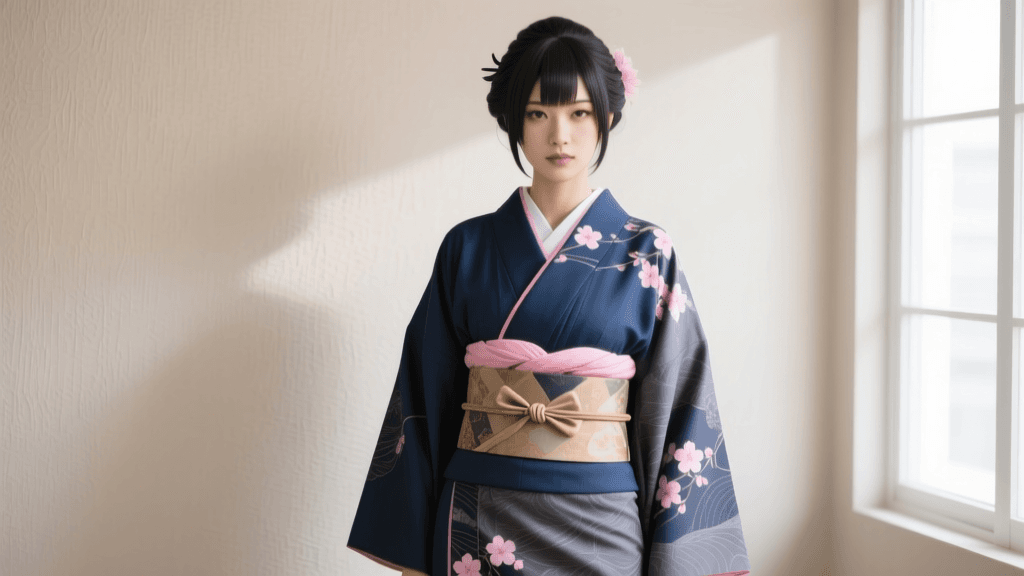
The traditional Japanese kimono has long transcended its origins as a daily garment to become a powerful visual symbol in global pop culture, cinema, and anime. From the sweeping, silk-draped corridors of Hollywood epics to the dynamic, stylized battle uniforms of modern shonen anime, the kimono and its associated garments—such as the hakama, haori, and obi—capture the imagination of millions. For collectors, traditionalists, and cosplayers alike, recreating these screen-accurate looks requires a deep understanding of both historical authenticity and the practical demands of modern media production and convention wear.
According to the Metropolitan Museum of Art, the kimono is not merely a piece of clothing but a canvas of cultural expression, reflecting social status, seasonality, and aesthetic philosophy. When global media adapts these garments, they often exaggerate silhouettes, alter fabric behaviors for dramatic effect, or blend historical periods to suit a narrative. For fans looking to recreate these iconic looks, bridging the gap between cinematic fantasy and traditional reality is both an art and a science.
Iconic Kimono Moments in Pop Culture
To understand how to recreate screen-accurate Japanese fashion, we must first examine how media utilizes these garments. In Hollywood, films like Memoirs of a Geisha and Kill Bill utilized the kimono and its martial-arts-adjacent cousin, the gi and hakama, to convey elegance, danger, and deep-rooted tradition. Costume designers often use heavier brocades and rigid obis to ensure the garment holds its shape under harsh studio lighting and during action sequences.
In the realm of anime and manga, the kimono is frequently reimagined. Series like Demon Slayer (Kimetsu no Yaiba) feature iconic haori patterns—such as Tanjiro’s black-and-green checkerboard and Zenitsu’s geometric triangles—that have become instantly recognizable worldwide. These designs often utilize high-contrast colors and simplified folding mechanics to allow for fluid animation. The Victoria and Albert Museum notes in their extensive research on the kimono's global journey that contemporary fashion and media continuously remix traditional Japanese textiles, creating a feedback loop where anime-inspired streetwear and cosplay influence modern textile design in Japan and abroad.
Traditional vs. Screen-Accurate: A Cosplayer's Guide
When translating a 2D anime design or a 3D cinematic costume into a wearable garment, cosplayers and collectors must make critical decisions regarding construction. Below is a comparison chart detailing the differences between a traditionally worn kimono and a screen-accurate cosplay adaptation.
| Feature | Traditional Kimono | Screen-Accurate / Cosplay Adaptation |
|---|---|---|
| Fabric | Silk (crepe, rinzu, tsumugi), cotton, or hemp. | Polyester chirimen, cotton blends, or spandex for mobility. |
| Sizing | Custom-fitted via the ohashori (waist fold); standard widths. | Pre-hemmed to exact wearer height; velcro or snap closures. |
| Sleeves (Sode) | Detached at the armpit for ventilation and layering. | Often sewn shut to prevent wardrobe malfunctions during action. |
| Obi (Sash) | Maru or Fukuro obi; requires padding and complex tying. | Pre-tied, foam-backed, or magnetic closures for quick changes. |
| Cost | $300 - $2,000+ (Vintage to Custom Silk) | $50 - $250 (Mass-produced to Custom Tailored Polyester) |
Actionable Guide: Sourcing and Styling Your Screen-Accurate Kimono
1. Understanding Measurements and Sizing
Unlike Western clothing, which is tailored to the body's contours, a traditional kimono is constructed from straight bolts of fabric (tanmono) and folded to fit. If you are sourcing a vintage kimono for a realistic cinematic look, you must understand three critical measurements:
- Yuki (Sleeve Span): Measured from the center back of the neck, over the shoulder, to the wrist. Actionable Tip: Calculate your ideal yuki by dividing your total arm span by two and adding 10 cm. For anime characters with exaggerated, sweeping sleeves, add an extra 5 to 8 cm to create a dramatic drape.
- Take (Length): The total length of the garment from the back of the neck to the hem. In traditional wear, the kimono is pulled up to create the ohashori (the visible fold at the waist). For cosplay, many opt to have the hem permanently altered to rest exactly at the ankle bone to prevent tripping during conventions.
- Sode (Sleeve Drop): The vertical length of the sleeve. A furisode (long swinging sleeve) can drop up to 114 cm, which is perfect for magical girl transformations or dramatic anime wind effects, but highly impractical for crowded convention halls. Consider pinning the sleeves up using a hidden tomesode clip when navigating crowds.
2. Fabric Selection for Camera and Convention
If your goal is screen-accuracy for photography or film, lighting is your primary concern. Silk chirimen (crepe) absorbs light beautifully and provides a rich, matte texture that reads exceptionally well on camera. However, silk is notoriously difficult to clean and highly susceptible to water damage and sweat.
For convention wear and active cosplay, high-grade polyester chirimen is the industry standard. It mimics the textured grain of silk but is machine washable and resistant to wrinkling. If you are recreating specific anime patterns—like the complex geometric designs seen in Demon Slayer—you will likely need to custom-dye your fabric. Actionable Tip: Use Rit DyeMore Synthetic Fiber Dye for polyester fabrics. Unlike standard dyes, DyeMore requires a near-boiling stovetop method to penetrate synthetic fibers, ensuring the vibrant, color-fast hues required for anime-accurate costumes. Always use a Sulky Tear-Easy stabilizer if you are machine-embroidering family crests (kamon) onto the back of your haori to prevent the fabric from puckering.
3. The Art of the Obi and Accessories
The obi is the focal point of any kimono ensemble. In global cinema, the obi is often tied in massive, rigid bows (like the taiko musubi or elaborate fukura-suzume) to emphasize the character's silhouette. To achieve this screen-accurate volume without the hours of practice required for traditional tying, cosplayers should utilize a tsuke-obi (pre-tied obi) modified with internal EVA foam.
Cut a 2-inch wide strip of 6mm EVA foam and insert it into the core of your obi knot. This provides the rigid, gravity-defying structure seen in anime and period dramas without the need for heavy, traditional obiita (stiffening boards) and excessive padding. To secure the ensemble, use three koshihimo (tying sashes) made of soft cotton to anchor the garment to your body before applying the decorative outer layers. This ensures that even during high-action photoshoots, the collar (eri) remains perfectly crossed left-over-right, a non-negotiable rule in Japanese garment etiquette (right-over-left is strictly reserved for dressing the deceased).
Maintaining Authenticity in a Pop Culture Context
While pop culture often takes liberties with traditional Japanese fashion, approaching your cosplay or collection with a foundation of historical respect elevates the final result. Understanding the seasonal motifs—such as cherry blossoms for spring or maple leaves for autumn—allows you to pair your screen-accurate kimono with the correct undergarments (nagajuban) and hair accessories (kanzashi).
True screen-accuracy is not just about replicating a 2D drawing or a movie costume; it is about capturing the spirit, movement, and cultural weight of the garment that inspired the media in the first place.
Conclusion
Recreating screen-accurate kimono and traditional Japanese garments for global pop culture and anime cosplay is a deeply rewarding pursuit that blends textile history with modern crafting techniques. By understanding the precise measurements of the yuki and take, selecting the appropriate synthetic or natural fibers for your specific environment, and utilizing modern cosplay hacks like EVA foam obi cores, you can bring your favorite cinematic and animated characters to life. Whether you are stepping onto a film set or the floor of a major convention, honoring the traditional roots of these garments ensures your portrayal is as respectful as it is visually stunning.