The Modern Hanfu Revival: A Buyer's Guide to Ming Dynasty Styles
The Hanfu Revival Movement: Reclaiming Cultural Identity
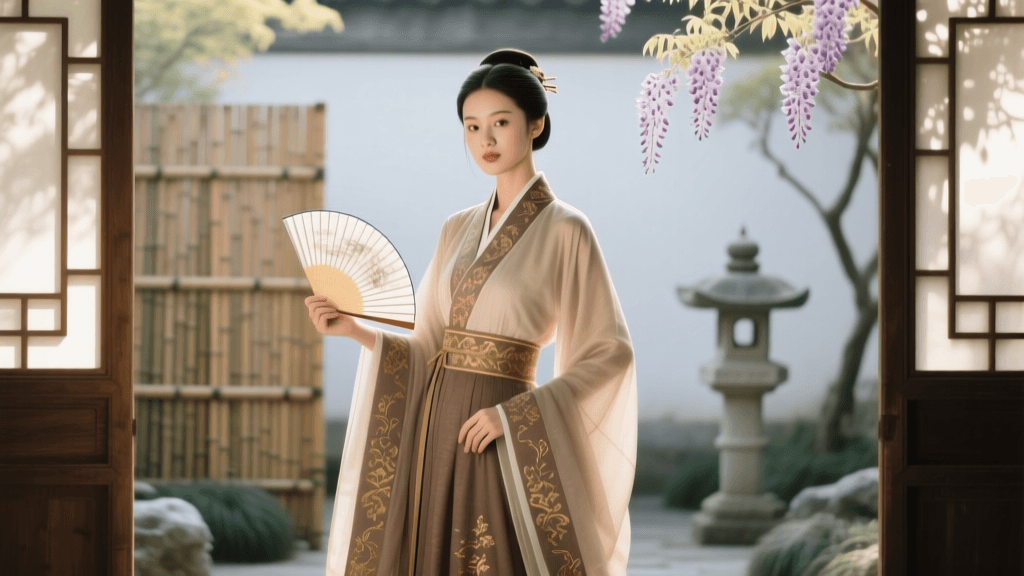
The Hanfu revival movement, known in Chinese as Hanfu Yundong, is not merely a fleeting fashion trend; it is a profound cultural renaissance. Beginning in the early 2000s when pioneers like Wang Letian wore traditional Han Chinese clothing on the streets of Zhengzhou, the movement has exploded into a multi-billion-dollar global industry. Today, millions of young enthusiasts, often called Tongpao (comrades), wear Hanfu as everyday streetwear, blending ancient aesthetics with modern life. For those looking to participate in this vibrant cultural reclamation, navigating the vast array of historical dynasties, styles, and vendors can be overwhelming. This guide focuses on one of the most accessible, historically documented, and practical styles for beginners: the Ming Dynasty Ao Qun.
Why Ming Dynasty Hanfu is the Perfect Starting Point
The Ming Dynasty (1368–1644) represents a golden era of Han Chinese textile craftsmanship and sartorial elegance. Unlike the flowing, ethereal robes of the Wei-Jin or Tang dynasties, Ming clothing is structured, modest, and highly adaptable to modern climates and lifestyles. Furthermore, because the Ming era is closer to the present day, historians and tailors have access to a wealth of surviving garments, detailed portraits, and excavation reports. This allows modern Hanfu merchants to create highly accurate reproductions, known as Ming-style or Mingzhi Hanfu. For a beginner in the Hanfu revival movement, starting with a Ming Dynasty outfit ensures historical accuracy, superior tailoring, and a sophisticated silhouette that easily transitions from a museum visit to a modern coffee shop.
Anatomy of the Ming Dynasty Ao Qun
The quintessential Ming Dynasty women's outfit is the Ao Qun, consisting of an upper jacket (Ao) and a lower skirt (Qun). Understanding these components is essential for making informed purchasing decisions.
The Upper Garment: Ao (Jacket)
The Ao is typically a lined or padded jacket that falls below the waist or to the knees. It features distinctive collar variations. The standing collar (Liling) secured with metal or jade buttons is a hallmark of late Ming fashion, offering a regal and structured neckline. Alternatively, the cross-collar (Jiaoling) ties on the right side, adhering to the ancient right lapel (Youren) rule. The sleeves often feature the iconic Pipa (lute) shape—narrow at the wrist and widening toward the shoulder, with a gentle curve that allows for ease of movement while maintaining a graceful drape.
The Lower Garment: Mamian Qun (Horse-Face Skirt)
The Mamian Qun is arguably the most iconic and enduring piece of the Hanfu revival. It features flat, unpleated panels at the front and back (the horse faces), flanked by deep, structured pleats on the sides. This design allows for incredible mobility, making it perfect for walking, cycling, or navigating modern transit. The waistband is typically made of a contrasting, durable fabric, and the skirt is secured with long, woven ties. Modern revivalists often choose Mamian skirts woven with jacquard looms, featuring intricate motifs like dragons, phoenixes, or floral patterns that catch the light beautifully.
Fabric Choices for Different Seasons
One of the greatest advantages of the Ao Qun is its year-round versatility. By selecting the right fabrics, you can wear Hanfu in any climate:
- Spring and Autumn: Opt for cotton-linen blends, lightweight jacquard, and mid-weight crepes. These fabrics offer breathability while maintaining the structural integrity required for the Ao's collar and the skirt's pleats.
- Winter: Choose wool-blend Ao jackets, velvet, and heavy silk brocades. Many modern Hanfu brands offer winter Ao lined with faux rabbit fur or thick quilted cotton. Pair this with a heavy, lined Mamian Qun to trap heat effectively.
- Summer: Look for lightweight ramie, chiffon, or thin silk. Traditional Ming summer wear often utilized specific breathable weaves like Sha or Luo (gauze), which modern manufacturers have successfully revived for contemporary summer collections.
Practical Buying Guide: Measurements and Sizing
Buying Hanfu requires understanding traditional Chinese sizing, which differs significantly from Western vanity sizing. Most Taobao and independent Hanfu brands use exact centimeter measurements. When ordering a custom or made-to-measure Ao Qun, precision is key. The Ao should fit snugly across the shoulders but allow room for a modern under-layer or thermal shirt in winter. The Mamian Qun must sit exactly at the natural waist or slightly above the navel, depending on the desired silhouette.
| Measurement | How to Measure | Fit Tip for Hanfu |
|---|---|---|
| Bust (Xiong Wei) | Measure around the fullest part of your chest. | Add 4-6 cm for a comfortable fit over modern undergarments. |
| Waist (Yao Wei) | Measure the narrowest part of your natural waist. | Crucial for the Mamian Qun; the skirt must sit tightly at the natural waist to prevent pleat gaping. |
| Skirt Length (Qun Chang) | Measure from your natural waist to the desired hemline. | For an elegant Ming silhouette, aim for the hem to sit 3-5 cm above the ankle bone. |
| Sleeve Length (Xiu Chang) | Measure from the base of the neck, over the shoulder, to the wrist. | Ming Pipa sleeves should cover the hands slightly when arms are relaxed. |
Budgeting for Your First Hanfu Set
The Hanfu market caters to every budget, from mass-produced fast fashion to bespoke, hand-woven silk. Here is what you can expect to spend on a complete Ao Qun set:
- Entry-Level ($30 - $60 USD): Brands like Shi San Yu or Lan Ruo offer affordable, machine-washable polyester and cotton blends. These are excellent for daily wear, testing the waters of the revival movement, or attending casual meetups.
- Mid-Tier ($80 - $180 USD): Brands such as Zhong Ling and Jiao Tang provide superior fabrics like wool blends, linen, and high-quality jacquard. The pleats on the Mamian Qun are professionally heat-set to hold their shape, and the metal hardware (buttons) is often custom-molded with historical motifs.
- High-End and Custom ($250+ USD): For purists, brands like Ming Hua Tang offer museum-grade reproductions using authentic silk brocades, real gold thread weaving (Zhuanghua), and meticulous hand-finishing. These are investment pieces meant for formal events and long-term preservation.
Where to Buy Authentic Hanfu Online
While international Hanfu boutiques are emerging in Western cities, the heart of the revival movement remains on Chinese e-commerce platforms like Taobao and Tmall. For international buyers, using a shopping agent like Superbuy or CSSBuy is the most reliable method to access domestic brands. Simply copy the Taobao product link into the agent's search bar, and they will purchase, warehouse, and ship the garments globally. Always check the store's rating and look for the 'Original Design' or 'Historical Accuracy' tags to avoid cheap, inaccurate costume knock-offs.
Styling Hanfu for Modern Daily Wear
The true beauty of the Hanfu revival movement lies in its adaptability. You do not need a full historical hair and makeup setup to wear Hanfu authentically. Modern Tongpao frequently practice Hanfu mix-and-match. Pair a Ming Dynasty Ao with a modern pleated midi skirt, or wear a Mamian Qun with a simple, fitted white turtleneck and a leather belt. For footwear, traditional embroidered shoes (Xiu Xie) are beautiful, but modern enthusiasts often opt for leather Mary Janes, loafers, or even clean white sneakers to ground the outfit in contemporary streetwear. Keep hair accessories minimal—matte hair claws, simple jade hairpins, or velvet ribbons complement the structured Ming silhouette without looking like a theatrical costume.
Fabric Care and Maintenance
Maintaining the crisp pleats of a Mamian Qun requires specific care. Never wring or machine-dry a pleated Hanfu skirt. Hand wash in cold water with a mild, pH-neutral detergent, or dry clean if the fabric is pure silk or wool. When drying, hang the skirt by the waistband on a clip hanger. To restore pleats that have begun to relax, lay the skirt flat on an ironing board, align the creases carefully, and use a steam iron on a low setting, pressing down firmly along the pleat lines. Store your Ao Qun in a breathable garment bag to protect the delicate jacquard weaves from dust and snags.
Conclusion
The Hanfu revival movement is a living, breathing testament to the enduring appeal of Asian traditions. By understanding the history, structure, and care of Ming Dynasty garments, you are not just buying clothes; you are participating in a global cultural dialogue. As noted by cultural historians and fashion journalists, this movement is redefining Chinese identity for a new generation BBC Travel. Furthermore, it represents a grassroots effort to reclaim historical narratives through the deeply personal medium of daily dress Sixth Tone. Whether you are walking through a modern metropolis or attending a traditional festival, your Ming Dynasty Ao Qun will serve as a bridge between the ancient past and the dynamic present.