Upcycling Vintage Silk Kimonos: A DIY Repurposing Guide
The Art of Mottainai: Breathing New Life into Vintage Silk
The traditional Japanese kimono is a masterclass in zero-waste pattern cutting and textile artistry. Woven from luxurious silk, crepe, and brocade, these garments are often adorned with intricate yuzen dyeing or elaborate embroidery. However, as modern lifestyles shift away from traditional daily wear, thousands of vintage kimonos sit forgotten in tansu (wooden chests), many bearing minor stains, tears, or weakened fibers that prevent them from being worn in their original form.
Rather than letting these masterpieces deteriorate, a growing movement of makers and sustainable fashion advocates are embracing the Japanese concept of mottainai—a deep sense of regret concerning waste. By deconstructing and upcycling vintage kimonos and stiff obi sashes, we can preserve centuries of craftsmanship while creating stunning, one-of-a-kind modern garments and accessories.
'The kimono's T-shaped, straight-seam construction means that almost every inch of the fabric is utilized, making it an ideal candidate for modern circular fashion and zero-waste upcycling.' — Victoria and Albert Museum
According to the Ellen MacArthur Foundation, transitioning to a circular fashion economy is critical for reducing the textile industry's massive carbon and water footprint. Upcycling vintage silk keeps these precious materials out of landfills and honors the artisan labor that originally created them. Furthermore, the United Nations Sustainable Development Goals emphasize the urgent need for sustainable consumption, making DIY kimono repurposing both a creative outlet and an environmentally responsible choice.
Sourcing and Assessing Vintage Kimonos
Before you cut into a vintage garment, you must source the right piece and assess its structural integrity. You can find vintage kimonos at Japanese flea markets (like the famous Toji Temple market in Kyoto), specialized online vintage dealers, or local thrift stores in areas with a Japanese diaspora.
What to Look For:
- Fabric Type: Look for 100% silk (crepe, chirimen, or tsumugi). Avoid synthetic blends from the 1970s, as they do not drape well and are difficult to sew.
- Damage Assessment: Check for 'shattering' (when antique silk becomes brittle and tears like tissue paper). Gently pinch the fabric; if it crunches or flakes, it is too degraded for wearable upcycling, though it may still be used for framed art.
- Stains and Odors: Water spots and age spots (foxing) are common. Plan your cutting pattern to work around these flaws, or embrace them as wabi-sabi design elements.
Essential Tools for Silk Deconstruction
Working with delicate vintage silk requires specialized tools to prevent snags and irreversible damage. Budget approximately $40 to $60 for these foundational upcycling tools if you do not already own them.
- Seam Ripper & Duckbill Scissors: For carefully undoing decades-old hand-stitched seams without piercing the silk.
- Microtex Needles (Size 70/10): Standard universal needles will punch visible holes in vintage silk. Microtex needles have an ultra-sharp, slim point designed specifically for tightly woven silks.
- Rotary Cutter & Self-Healing Mat (24x36 inches): Kimono panels are wide and slippery. A rotary cutter ensures clean, straight edges without the fabric shifting.
- Silk Pins or Wonder Clips: Never use standard thick pins on the visible areas of vintage silk, as they will leave permanent holes.
- Walking Foot Attachment: Essential for your sewing machine to feed the slippery silk layers evenly without puckering.
Preparation: Deconstructing and Cleaning
Unlike Western garments, kimonos are constructed from long, rectangular bolts of fabric (tanmono). To upcycle a kimono, you must first return it to its flat panel state.
- Map the Garment: Lay the kimono flat and photograph it. Note the placement of the family crests (mon) and the most vibrant sections of the dyed pattern.
- Snip and Pull: Use a sharp seam ripper to open the side seams, sleeve attachments, and collar. Vintage kimonos are often sewn with a running stitch. Snip the thread every 12 inches and gently pull the thread out from the opposite end.
- Pressing: Once deconstructed, you will have several long rectangular panels. Press them using a low-heat iron and a silk press cloth. Do not use steam on vintage yuzen-dyed silk, as the moisture can cause the dyes to bleed.
Project 1: The Modern Haori-Style Open Jacket
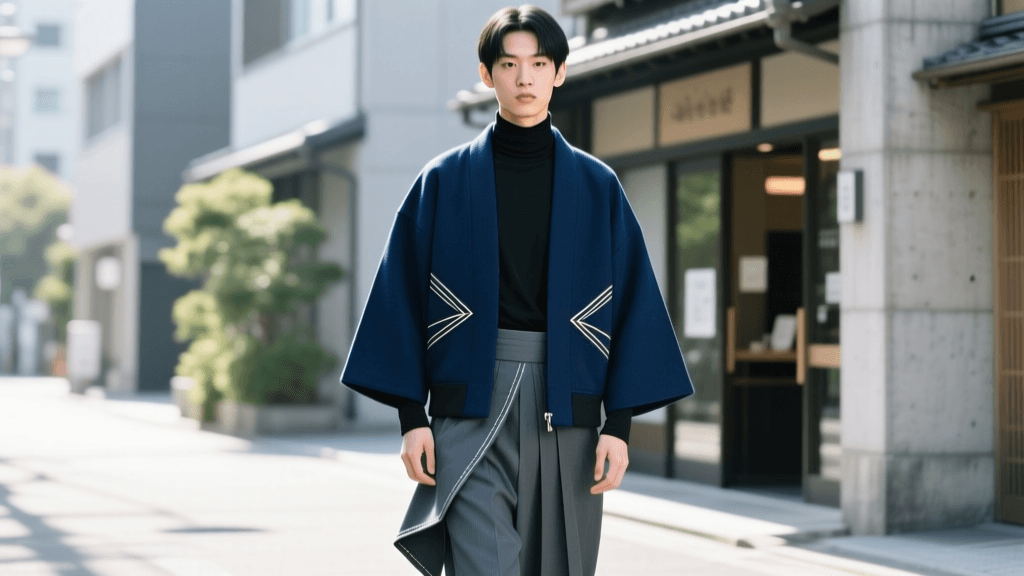
The haori is a traditional hip- or thigh-length kimono jacket. By adapting its silhouette, you can create a stunning, modern open-front duster jacket that pairs beautifully with jeans and a simple camisole.
Measurements and Cutting
A standard deconstructed kimono yields approximately 3.5 to 4 yards of usable fabric, with panels roughly 14 inches wide. For a modern duster jacket, you will need a simple, boxy sewing pattern (such as the 'Jacket 01' from The Assembly Line or a basic commercial kimono-jacket pattern).
- Back Panel: If the kimono features a central back seam with a stunning continuous landscape design, preserve this seam and cut the back pattern piece on the fold to keep the art intact.
- Front Panels: Utilize the wide sleeve panels for the front lapels. The original sleeve cuffs often feature heavy embroidery or metallic threads, which can be positioned at the hem of the new jacket for added weight and drama.
- Sleeves: Use the lower body panels to cut the new, slightly wider sleeves, mimicking the relaxed drape of traditional Japanese workwear.
Sewing Techniques for Silk
Because vintage silk frays easily, all internal seams must be finished. French seams are the gold standard for silk garments. To sew a French seam, place the fabric wrong sides together and sew with a 1/4 inch seam allowance. Trim the allowance to 1/8 inch, press, fold the fabric right sides together, and sew again with a 3/8 inch allowance, completely encasing the raw edge.
Project 2: The Obi Statement Clutch and Belt
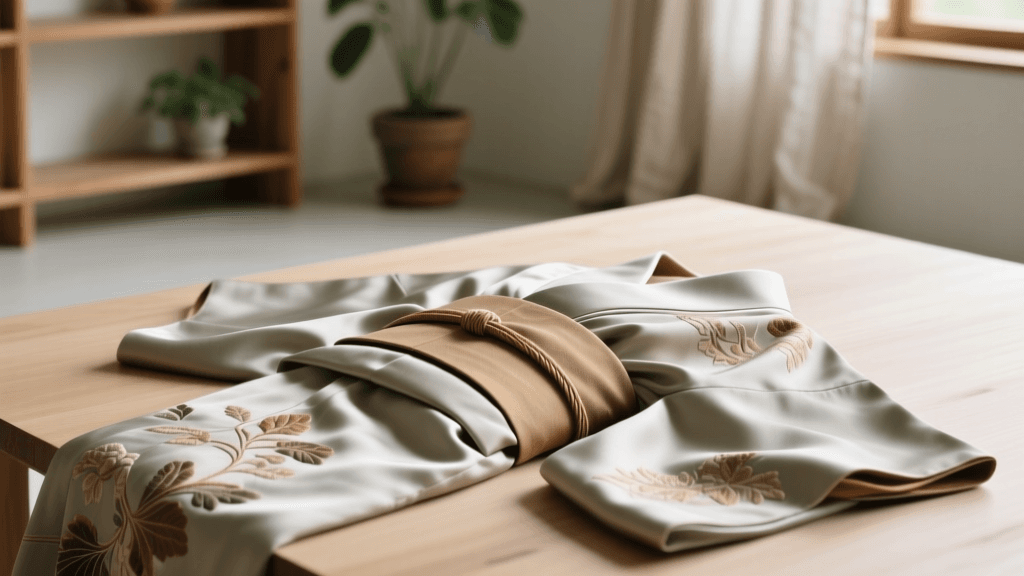
The obi is the sash used to secure a kimono. Maru and Fukuro obis are heavily woven with metallic threads, making them incredibly stiff, durable, and perfect for structured accessories. Because they are already heavily interfaced by their dense weaving, they require minimal additional stabilization.
Creating the Obi Clutch
- Cutting: Cut a 14 x 10 inch rectangle from the most visually striking section of the obi (usually the 'otaiko' or drum section that sits at the back of the waist).
- Interfacing: Fuse a medium-weight woven interfacing to the back if the obi feels too pliable.
- Lining: Cut a matching rectangle from a solid silk charmeuse or cotton sateen for the interior lining.
- Hardware: Install a 10-inch brass zipper at the top edge before sewing the side seams. Topstitch the zipper tape using a leather needle if the metallic threads are particularly dense.
- Assembly: Sew the side and bottom seams, box the bottom corners by sewing 1.5 inches across the corners to give the clutch a 3D rectangular shape.
Upcycling Projects: Comparison Chart
To help you plan your next sustainable sewing weekend, here is a breakdown of popular kimono upcycling projects, including estimated time, difficulty, and costs (assuming you already own a sewing machine and basic tools).
| Project Type | Fabric Yield Needed | Time Required | Difficulty | Est. Material Cost |
|---|---|---|---|---|
| Modern Haori Duster Jacket | 3.5 - 4 yards (Full Kimono) | 6 - 9 hours | Intermediate | $45 - $160 |
| Structured Obi Clutch Bag | 0.5 yards (Obi Section) | 3 - 4 hours | Beginner | $40 - $90 |
| Silk Slip Dress | 2.5 yards (Kimono Body) | 4 - 6 hours | Advanced | $50 - $120 |
| Throw Pillow Covers | 1 yard (Sleeves or Hem) | 1 - 2 hours | Beginner | $30 - $60 |
Note: Material costs include the purchase of the vintage garment, linings, zippers, and specialized threads. Vintage kimonos can range from $30 for damaged pieces at flea markets to $150+ for pristine, antique silk from curated dealers.
Preserving the Legacy of Asian Textiles
Upcycling a vintage kimono is more than just a DIY sewing project; it is an act of cultural preservation and environmental stewardship. By carefully deconstructing these garments, studying their zero-waste architecture, and reimagining them for the modern wardrobe, we ensure that the legacy of Asian textile artisans continues to be worn, seen, and appreciated in contemporary society.
Whether you are crafting a structured obi belt for a formal event or stitching a flowing silk haori for weekend layering, you are participating in a global movement that values history, craftsmanship, and sustainability over fast fashion. Grab your seam ripper, thread your Microtex needle, and let the rich history of the kimono inspire your next modern creation.