How to Recreate Iconic Hanfu Styles from Hit Chinese Dramas
The C-Drama Effect: From Screen to Street
The global explosion of Chinese historical dramas—spanning Wuxia martial arts epics, Xianxia high-fantasy tales, and meticulous palace intrigues—has done more than just entertain audiences; it has single-handedly catalyzed a modern fashion revolution. According to industry reports, the Hanfu market has surged into a multi-billion dollar industry, heavily driven by fans wanting to emulate their favorite on-screen characters. As noted by South China Morning Post, the revival of traditional Chinese clothing is deeply intertwined with pop culture, where screen costumes serve as the ultimate lookbooks for a new generation of fashion enthusiasts.
However, translating high-budget screen costumes into practical, everyday wear requires an understanding of historical silhouettes, fabric behavior, and modern sizing. This guide breaks down three iconic C-drama archetypes and provides actionable advice on how to source, size, and style these looks for real-world wear.
1. The Wuxia Warrior: Wei Wuxian’s Dark Ruqun (The Untamed)
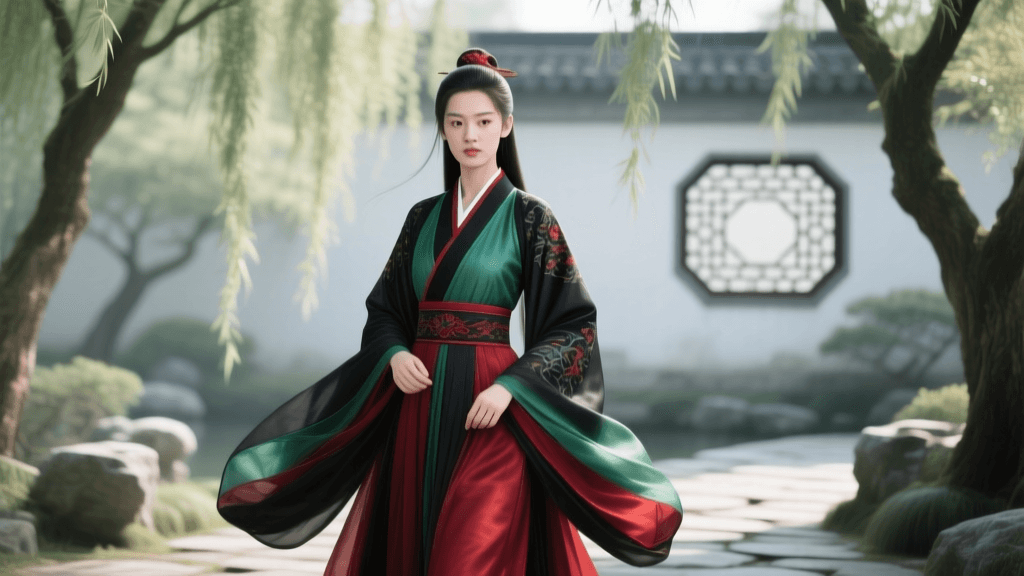
In the global phenomenon The Untamed, the protagonist Wei Wuxian sports a striking, dark-toned Jiaoling Youren (cross-collar, right-lapel) robe with wide sleeves and leather bracers. This look represents the romanticized Wuxia wanderer: rugged, mysterious, and highly mobile.
Screen vs. Reality: Fabric and Fit
On screen, costume designers often use heavy polyester jacquards or synthetic silks because they drape dramatically under studio lighting and resist wrinkling during stunt choreography. In reality, wearing synthetic layers for a full day at a convention or while traveling will lead to severe overheating.
- Fabric Swap: Opt for cotton-linen blends or raw silk noil. These materials offer the same matte, textured aesthetic seen on screen but provide essential breathability.
- The Bracers (Huanbo): Screen-accurate leather bracers can be restrictive and hot. Look for adjustable cotton or faux-leather lace-up bracers that allow for wrist mobility.
- Cost & Sourcing: A high-quality, daily-wear cotton Wuxia set typically costs between $45 and $85 USD on platforms like Taobao or specialized AliExpress Hanfu boutiques.
2. The Elegant Scholar: Mei Changsu’s Layered Shenyi (Nirvana in Fire)
Nirvana in Fire is celebrated for its historically grounded, muted color palettes and elegant scholar-official aesthetics. Mei Changsu’s signature look features the Shenyi (a one-piece deep robe) layered with a Banjia (half-sleeve vest) and a subtle fur-lined winter collar.
Mastering the Winter Layers
The genius of this costume lies in its layering, which is highly practical for autumn and winter fashion. The screen costumes utilize heavy wool blends and real fur trims. To recreate this ethically and comfortably:
- The Outer Robe (Pibo/Banjia): Choose a lined cotton vest with subtle tonal embroidery. Avoid high-contrast gold threads, which look cheap in daylight; instead, seek out 'dark-on-dark' embroidery (e.g., navy thread on a charcoal robe) which mimics the show's sophisticated cinematography.
- The Collar (Piling): Instead of real fur, source a removable faux-fur or plush velvet collar piece that ties at the neck. This adds the necessary visual weight without the ethical concerns or excessive heat of screen-accurate props.
- Cost & Sourcing: Expect to spend $70 to $150 USD for a multi-piece winter scholar set. Look for sellers specializing in 'Ming Dynasty' or 'Song Dynasty' scholar styles, as these closely match the show's costume design references.
3. Qing Court Elegance: Wei Yingluo’s Qizhuang (Story of Yanxi Palace)
While Hanfu refers to Han ethnic clothing, Story of Yanxi Palace brought the breathtaking Qizhuang (Manchu court dress) and intricate Intangible Cultural Heritage crafts to the global stage. As highlighted by CNN Style, the drama's costumes popularized the Yunjian (cloud collar) and the meticulous velvet flower (ronghua) hairpins.
Translating Court Couture to Modern Wear
Full Qing court dress is incredibly heavy, featuring rigid collars and floor-sweeping, heavily embroidered hems. To adapt this for a wedding, gala, or high-end festival:
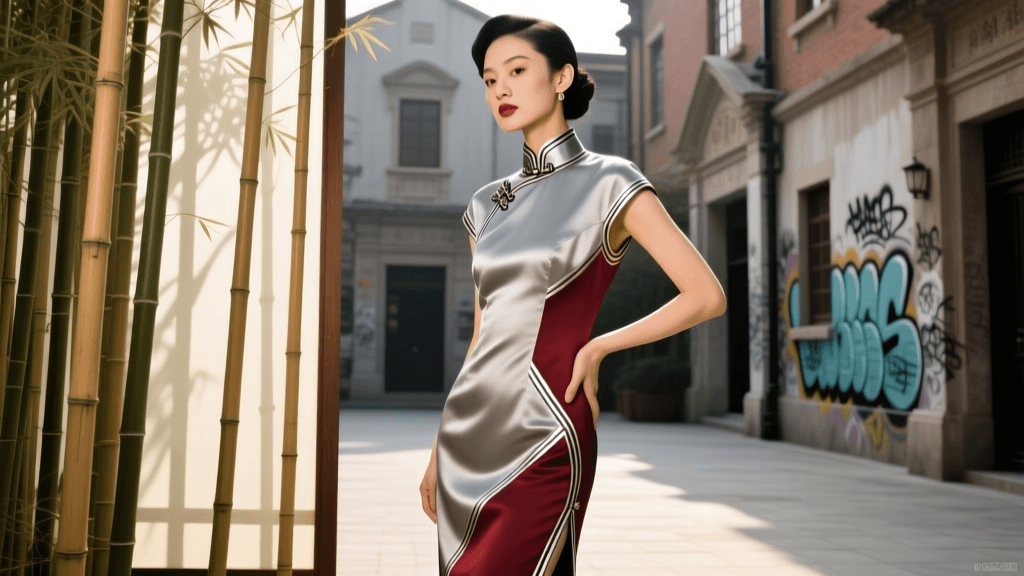
- The Cloud Collar (Yunjian): This is the most versatile piece from the Qing wardrobe. A beautifully embroidered, detachable Yunjian can be worn over a modern, solid-colored mandarin-collar dress or a simplified Qipao, instantly elevating it to 'court elegance' without the bulk of a full robe.
- The Silhouette: If purchasing a full Qizhuang robe, ensure it features the 'horse-hoof' cuffs (matixiu) if you want screen accuracy, but be aware these are impractical for eating or typing. Many modern vendors offer 'daily Qing' dresses with standard cuffs and lighter silk-blend fabrics.
- Cost & Sourcing: Authentic-feeling, heavily embroidered Qizhuang sets range from $120 to over $300 USD. Velvet flower hairpins cost around $15 to $30 USD per piece.
Comparison Chart: Drama Archetypes and Real-World Equivalents
| Drama Archetype | Garment Type | Best Real-World Fabric | Est. Cost (USD) | Key Measurement to Check |
|---|---|---|---|---|
| Wuxia Warrior | Jiaoling Ruqun (Cross-collar) | Cotton-Linen Blend | $45 - $85 | Shoulder Width & Sleeve Length |
| Elegant Scholar | Shenyi with Vest Layer | Wool-blend / Lined Cotton | $70 - $150 | Chest (add 10cm for layering) |
| Qing Court Noble | Qizhuang with Yunjian | Silk-blend / Viscose | $120 - $300 | Neck Circumference & Height |
The Buyer’s Guide: Sizing, Sourcing, and Timing
Buying traditional garments online requires a shift in how you think about sizing. Unlike Western fast fashion, traditional Chinese garments are cut from flat patterns, meaning the fit is dictated by how the fabric wraps and ties around the body rather than darts and seams.
Crucial Sizing Tips
- The 'Cross-Collar Gap' Rule: For Jiaoling Youren (cross-collar) tops, you must add 5 to 10 centimeters to your actual bust measurement when consulting size charts. If the garment is too tight, the right lapel will pull open, breaking the traditional silhouette and causing discomfort.
- Height and Skirt Length: Hanfu skirts (like the pleated Mamianqun or wrap skirts) are typically sold in standard lengths (e.g., 100cm, 105cm, 110cm). Measure from your natural waist to your ankle bone. A skirt that drags on the ground will ruin the fabric and trip you up, while one that is too short breaks the historical illusion.
- Shoulder Drop: Traditional robes feature dropped shoulders. Do not try to match the garment's shoulder seam exactly to your anatomical shoulder; the seam is meant to sit a few inches down the upper arm.
When and Where to Buy
For the most accurate, drama-inspired pieces, Taobao remains the undisputed king. Use search terms like the drama's name in Chinese followed by '同款' (same style) or '汉服' (Hanfu). However, be warned: top-tier Hanfu brands operate on a pre-order model. According to market analyses covered by Sixth Tone, the Hanfu supply chain often relies on intricate, small-batch embroidery, meaning lead times can stretch from 30 to 60 days.
Timing your purchase: If you need a costume for a specific event, a wedding, or a major cultural festival like the Mid-Autumn Festival, you must place your order at least two months in advance. For faster shipping, look for '现货' (in-stock) items, though your fabric and color choices will be more limited.
'The screen acts as a bridge. A viewer might fall in love with a character's flowing sleeve, but in researching how to buy it, they accidentally learn a thousand years of textile history and weaving techniques.' — Hanfu Cultural Advocate
Final Styling Thoughts: Grounding the Fantasy
The biggest mistake beginners make when recreating C-drama costumes is over-accessorizing. Screen actors are weighed down by heavy metal crowns, excessive hairpins, and oversized jade pendants to ensure they read well on 4K cameras from a distance. In real life, this looks cumbersome and feels exhausting.
To achieve a polished, trend-driven 'New Chinese Style' (Xin Zhongshi) look inspired by your favorite dramas, practice restraint. Pair a dramatic, wide-sleeved Wuxia robe with modern leather boots instead of traditional straw sandals. Swap heavy metal screen-accurate hair crowns for a simple, carved wooden Guan or a single, elegant velvet flower hairpin. By blending the romantic silhouettes of Chinese television with practical, modern sensibilities, you honor the history of the garment while making it entirely your own.