The Modern Qipao: Evolution, Sizing, and Styling Guide
The Evolution of the Cheongsam: From Banner Robe to Global Icon
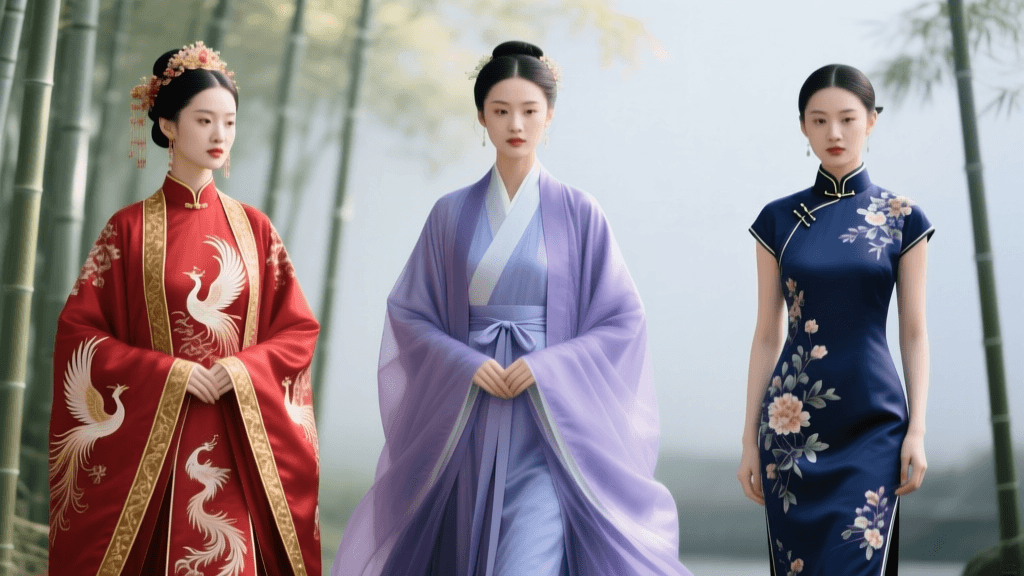
The qipao, widely known in the West as the cheongsam, is arguably the most recognizable garment in Chinese fashion history. However, the sleek, form-fitting silhouette we associate with the dress today is a relatively modern invention. Originating from the loose, voluminous banner robes (qizhuang) worn by Manchu women during the Qing Dynasty, the garment underwent a radical transformation in the 1920s. As social norms shifted in cosmopolitan Shanghai, young women and socialites began tailoring the traditional robe to reflect modern sensibilities, incorporating Western darting, set-in sleeves, and high slits. According to fashion historians featured in Smithsonian Magazine, this evolution transformed the qipao from a symbol of ethnic identity into a powerful emblem of modern Chinese femininity and liberation.
By the 1930s, the qipao had become the de facto national dress for Chinese women, celebrated for its ability to blend traditional silk weaving and embroidery techniques with contemporary, body-conscious tailoring. Today, the garment continues to evolve, stepping out of the realm of strict formalwear and into the dynamic sphere of global street fashion and daily wear.
Decoding 'Xin Zhongshi': The New Chinese Style Movement
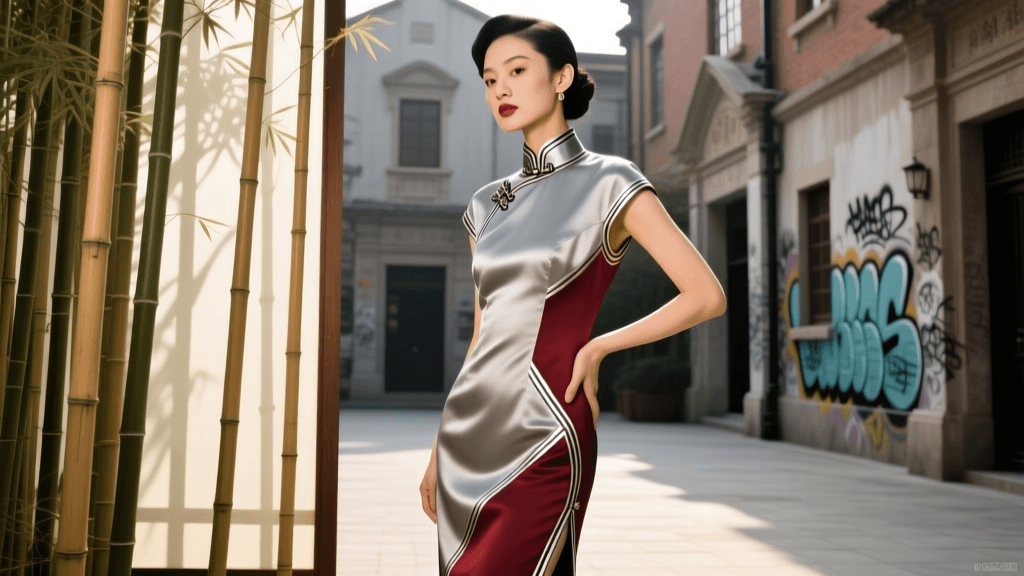
In recent years, a massive cultural and fashion movement known as 'Xin Zhongshi' (New Chinese Style) has taken over social media platforms like Douyin and TikTok, eventually spilling onto global runways. This movement recontextualizes traditional garments for the modern wardrobe. Instead of reserving the qipao for weddings or Lunar New Year celebrations, contemporary designers are deconstructing it. The Metropolitan Museum of Art has extensively documented how Eastern aesthetics continuously influence global fashion, and the modern Xin Zhongshi movement is a grassroots continuation of this dialogue.
Modern iterations of the qipao feature A-line skirts, drop-shoulder sleeves, and breathable cotton blends. Designers are replacing traditional, restrictive silk brocades with everyday fabrics like denim, linen, and even tech-wear materials. The iconic mandarin collar (yuanling) and pankou (knotted buttons) are now being applied to cropped tops, oversized jackets, and asymmetrical dresses, making the aesthetic highly accessible for daily streetwear.
The Practical Guide to Qipao Measurements and Fit
Achieving the perfect qipao fit requires precision. Unlike Western dresses that rely heavily on bust and waist measurements, a traditional qipao is a columnar garment that requires a nuanced understanding of vertical proportions. If you are ordering a bespoke or made-to-measure cheongsam online, you must provide the following specific measurements:
- High Point Shoulder (HPS) to Hem: Measure from the base of your neck (where the collar sits) down to your desired hemline. A standard midi qipao usually falls just below the knee, while a traditional floor-length gown requires a measurement down to the ankle bone.
- Bust, Waist, and Hips: Measure the fullest parts of your bust and hips, and the narrowest part of your natural waist. For a traditional, 'painted-on' 1930s fit, tailors will add zero to negative ease. For a modern, comfortable Xin Zhongshi fit, request 1 to 2 inches of wearing ease.
- Slit Height: The side slits (kaicha) are crucial for mobility. Measure from your waistline down to where you want the slit to begin. A modest daily-wear slit typically starts at the knee, while formal or evening styles may start mid-thigh.
- Collar Height: This is often overlooked but vital for comfort. A standard collar is 4 cm. If you have a shorter neck or plan to wear the dress for long hours, request a 2.5 cm to 3 cm low collar to prevent chafing.
Understanding Pankou Knots and Closures
Authentic vintage qipaos utilize a complex system of pankou (knotted buttons) that wrap entirely across the chest and down the side, allowing the dress to be opened like a robe. However, modern manufacturing often replaces this with a hidden side or back zipper, using pankou knots purely as decorative elements along the collarbone. If you prioritize ease of dressing, opt for a hidden-zipper qipao. If you value historical accuracy and artisanal craftsmanship, seek out a tailor who hand-makes functional pankou closures.
Fabric Selection: A Comparative Guide
The choice of fabric dictates not only the drape and formality of the qipao but also its suitability for different climates and occasions. The Victoria and Albert Museum notes that the preservation and wearability of historical Asian textiles depend heavily on understanding their material properties. Below is a practical comparison chart to help you select the right fabric for your custom or ready-to-wear qipao.
| Fabric Type | Est. Cost (USD/Yard) | Best Climate | Care Level | Ideal Occasion |
|---|---|---|---|---|
| Mulberry Silk (Crepe de Chine) | $40 - $120 | Warm / Humid | Dry Clean Only | Weddings, Galas, Summer Banquets |
| Jacquard Brocade | $25 - $85 | Cool / Dry | Spot Clean / Dry Clean | Winter Festivals, Formal Portraits |
| Cotton-Linen Blend | $15 - $35 | Hot / Summer | Machine Wash (Cold) | Daily Streetwear, Tea Houses, Travel |
| Stretch Velvet | $30 - $60 | Cold / Winter | Dry Clean Only | Evening Parties, Holiday Dinners |
| Raw Silk (Tussah) | $35 - $70 | Mild / Temperate | Dry Clean Only | Office Wear, Art Exhibitions |
Modern Styling: How to Wear the Qipao Today
The key to pulling off a qipao in a contemporary setting is juxtaposition. By mixing the inherent elegance and structure of the cheongsam with relaxed, modern, or edgy pieces, you prevent the outfit from looking like a costume or a uniform.
Streetwear Fusion
For a casual, urban look, pair a knee-length cotton or denim qipao with chunky white sneakers and an oversized leather biker jacket. The contrast between the delicate mandarin collar and the rugged leather creates a striking visual balance. You can also layer a cropped, sleeveless qipao top over a plain white ribbed turtleneck during the autumn months, pairing it with wide-leg trousers or relaxed-fit jeans.
Office and Smart-Casual
To adapt the qipao for a professional environment, choose a midi-length dress in a matte fabric like raw silk or a structured cotton blend. Avoid loud, high-contrast embroidery; instead, opt for tone-on-tone jacquard patterns or subtle pinstripes. Layer a tailored, oversized blazer over the qipao, leaving the blazer unbuttoned to showcase the dress's distinctive collar and knotted closures. Finish the look with minimalist leather loafers or low-block heels.
Evening and Formal Elegance
For black-tie events or weddings, a floor-length silk or velvet qipao with a thigh-high slit is unparalleled. Elevate the look by skipping traditional jade jewelry, which can sometimes feel dated. Instead, accessorize with sculptural, modern gold or silver ear cuffs, and carry a structured acrylic or metallic clutch. Wear your hair in a sleek, low chignon to emphasize the elegant line of the neck and collar.
'The qipao is not a static relic of the past; it is a living garment that breathes with the women who wear it. When we mix it with modern streetwear, we are not diluting its history, but rather ensuring its survival and relevance in the 21st century.' — Contemporary Asian Fashion Archivist
Garment Care and Maintenance
Because traditional qipaos are often made from delicate natural fibers and feature intricate embroidery, proper care is essential to maintain their shape and vibrancy.
- Hanging vs. Folding: Never hang a heavy brocade or heavily embroidered qipao on a wire or thin plastic hanger, as the weight of the fabric will distort the shoulders and stretch the bias cut. Use wide, padded velvet hangers. For long-term storage, fold the garment with acid-free tissue paper to prevent permanent creasing.
- Washing: Avoid washing silk or brocade at home. The water can cause the dyes to bleed and the fabric to lose its structural crispness. Always take these pieces to a dry cleaner experienced with delicate Asian textiles.
- Odor Removal: If your qipao absorbs food or smoke odors after an event, do not spray it with commercial fabric fresheners. Instead, hang it in a well-ventilated room or a steamy bathroom for a few hours, then store it in a breathable cotton garment bag with natural cedar blocks to repel moths and absorb moisture.
- Ironing: Use a steam iron on the lowest possible heat setting. Always place a clean cotton pressing cloth between the iron and the qipao to prevent scorching the silk or flattening the raised embroidery threads.
Conclusion
The qipao remains a masterclass in sartorial evolution. From its origins as a modest banner robe to its golden age in Shanghai, and now its renaissance through the Xin Zhongshi movement, the cheongsam proves that traditional garments can seamlessly integrate into modern life. By understanding the nuances of fit, choosing the right fabric for your lifestyle, and styling the garment with contemporary flair, you can honor the rich cultural heritage of the qipao while making it entirely your own.