Traditional Chinese Wedding Attire: Qungua, Hanfu & Qipao Guide
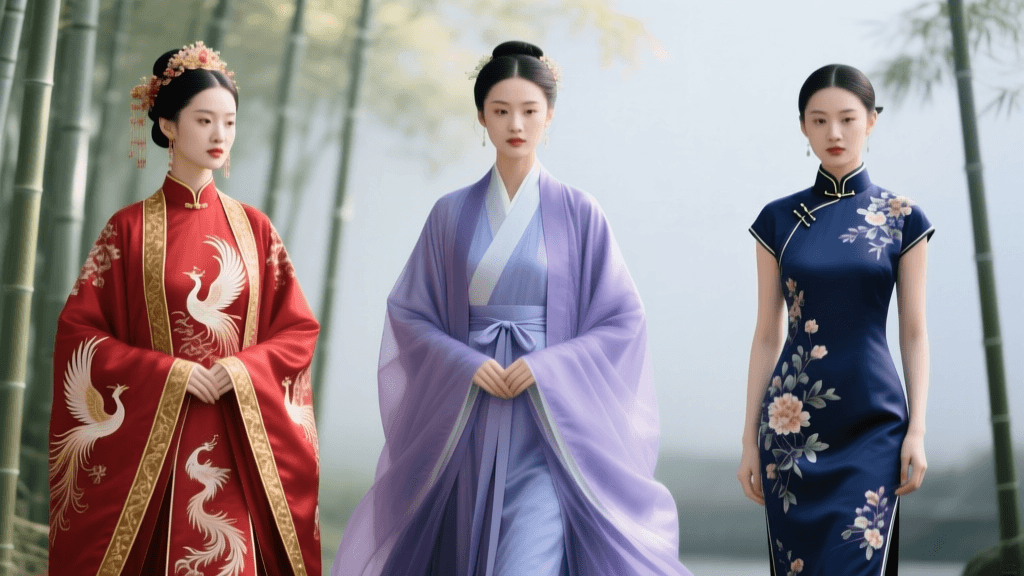
Planning a Chinese wedding involves navigating a beautiful labyrinth of traditions, especially when it comes to bridal fashion. Modern Chinese brides often change outfits up to four times during their wedding day, transitioning from Western white gowns to traditional Chinese ceremonial attire for the tea ceremony and evening banquets. Understanding the nuances of the Qungua, Hanfu, and Qipao is essential for honoring your heritage while looking breathtaking. This comprehensive guide breaks down the history, styling, and practical purchasing advice for traditional Chinese wedding attire.
The Qungua (Kwa): The Pinnacle of Traditional Bridal Formality
The Qungua (also known as Kwa in Cantonese) is the most formal and traditional Chinese wedding garment, typically worn during the morning tea ceremony with the groom's family. Originating from the Qing Dynasty, this two-piece ensemble consists of a tailored jacket (the 'Gua') and a pleated skirt (the 'Qun'). The defining feature of the Qungua is its intricate, hand-embroidered silk motifs, predominantly featuring the dragon and phoenix (Longfeng) to symbolize the balance of yin and yang, alongside bats, peonies, and pomegranates for luck and fertility.
Understanding Embroidery Density and Grades
When shopping for a Qungua, you will encounter different grades based on embroidery density. This directly impacts the garment's weight, cost, and formality:
- Xiao Wu Fu (Small Five Blessings): 30-50% embroidery coverage. Lighter, more affordable, and ideal for summer weddings or brides preferring a subtle look.
- Da Wu Fu (Large Five Blessings): 50-70% coverage. A popular middle-ground offering a rich, regal appearance without the extreme weight.
- Qun Kwa (Skirt Kwa): 70-90% coverage. Highly ornate, often featuring 3D metallic thread work.
- Gua Huang (Emperor's Jacket): 95-100% coverage. The base silk is entirely obscured by dense gold and silver metallic embroidery. This is the most expensive, heaviest, and most formal tier, often treated as a family heirloom.
Actionable Advice: If you are renting, expect to pay between $200 and $800 for a weekend rental. Purchasing a genuine, hand-embroidered Qungua starts around $1,500 for basic machine-assisted pieces, but a true hand-stitched Gua Huang can cost anywhere from $5,000 to over $15,000. Always inspect the reverse side of the embroidery; genuine hand-stitched Qungua will have nearly identical patterns on the inside, whereas machine embroidery will show messy, tangled threads.
Hanfu: Embracing Ancient Han Elegance
Driven by a massive cultural revival among Gen Z and Millennials, Hanfu (traditional Han Chinese clothing) has become a highly sought-after choice for modern brides seeking pre-Qing Dynasty aesthetics. For weddings, the most historically appropriate and visually stunning choice is the Ming Dynasty 'Ao Qun' (jacket and skirt) ensemble, specifically featuring the 'Mamianqun' (horse-face skirt).
Sourcing and Styling the Mamianqun
The Mamianqun is characterized by its flat front and back panels with pleated sides, allowing for graceful movement. Wedding skirts are typically woven from silk brocade or 'Xiangyunsha' (gambiered Canton gauze) in auspicious reds, golds, and deep burgundies. The pleats are often woven with 'Zhuanghua' (brocade weaving) techniques that incorporate real gold and silver threads into the loom.
According to cultural historians tracking the Hanfu revival movement, modern brides often pair a standing-collar (Liling), long-sleeved Ming-style jacket (Ao) with a heavily woven Mamianqun. When ordering Hanfu, standard Western sizing does not apply. You must provide your 'Tongxiu' (total arm span from wrist to wrist) and 'Xiongwei' (chest circumference). Because Hanfu is cut flat without darts, the fit relies heavily on the drape of the fabric and the precise placement of the ties.
Actionable Advice: Custom Hanfu tailors on platforms like Taobao or specialized overseas boutiques require 45 to 60 days for production. Budget $300 to $800 for a high-quality, real-silk Mamianqun and jacket set. Ensure your jacket sleeves extend at least 2 inches past your wrists to maintain the traditional elegant silhouette.
The Qipao (Cheongsam): Modern Vintage Glamour
While the Qungua is for the family tea ceremony and the Hanfu for the photoshoot or reception entrance, the Qipao (or Cheongsam) is the quintessential dress for the evening banquet or the toast (Jingjiu). Evolving in 1920s Shanghai, the Qipao is a masterclass in tailoring, designed to follow the natural contours of the body while maintaining modesty through its iconic high collar and 'Pankou' (frog buttons).
Fabric Selection and Tailoring Nuances
The Metropolitan Museum of Art notes that the evolution of Chinese dress heavily influenced the modern silhouette, blending traditional silk weaving with Western darting techniques. For a wedding Qipao, avoid cheap synthetic satins that wrinkle easily and trap heat. Instead, opt for:
- Heavy Silk Brocade: Provides structure and a luxurious sheen, perfect for winter or air-conditioned ballrooms.
- Velvet: Offers a rich, vintage texture that photographs beautifully under warm banquet lighting.
- French Lace: For brides wanting a softer, more contemporary East-meets-West aesthetic.
Actionable Advice: A bespoke Qipao requires at least three fittings. The tailor will measure over 20 different points on your body, including the exact circumference of your bicep and the distance between your collarbones. Because you will be walking up to 50 tables to toast guests, request a 'mermaid' or 'A-line' flare at the bottom rather than a strict pencil hem, and ensure the back slit is high enough for walking but low enough to maintain modesty when sitting. Expect to pay $400 to $1,200 for bespoke tailoring in major cities.
Comparison Chart: Qungua vs. Hanfu vs. Qipao
| Attire Type | Formality Level | Average Cost (USD) | Fitting Timeline | Best Used For |
|---|---|---|---|---|
| Qungua (Kwa) | Ultra-Formal | $200 (Rent) - $15k (Buy) | 3 - 6 Months (Buy) | Morning Tea Ceremony |
| Hanfu (Ming Ao Qun) | Formal / Cultural | $300 - $1,200 | 45 - 60 Days | Pre-wedding Shoots, Entrance |
| Qipao (Cheongsam) | Semi-Formal to Formal | $400 - $1,500 | 2 - 3 Months (3 Fittings) | Evening Banquet Toasts |
Practical Planning: Timelines and Undergarments
Successfully pulling off traditional Chinese bridal wear requires meticulous planning, particularly regarding undergarments and timelines.
The 6-Month Bridal Timeline
- 6 Months Out: Decide on your outfits. If buying a hand-embroidered Qungua or bespoke Hanfu, place your order now. Artisans require months to complete dense metallic embroidery.
- 4 Months Out: Begin your first Qipao fitting. The base silk will be cut, and the tailor will pin the darts and collar.
- 2 Months Out: Second Qipao fitting. Test the range of motion. Practice sitting and pouring tea to ensure the armholes and skirt slits are comfortable.
- 1 Month Out: Final fitting. Bring your exact wedding shoes. Hemlines for the Qipao and Hanfu skirts must be adjusted to your heel height.
Crucial Undergarment Advice
Traditional Chinese garments are unforgiving when it comes to modern undergarments.
- For the Qungua: Wear a seamless, nude-colored camisole underneath. The jacket is stiff, and bare skin can cause chafing against the metallic threads.
- For the Qipao: Avoid padded bras. The high Mandarin collar and tight bodice require a smooth, natural silhouette. Opt for a high-quality, unlined silk slip to prevent the dress from clinging to your legs.
- For the Hanfu: Wear a 'Zhongyi' (inner layer garment). This white, cotton inner shirt protects the expensive silk outer layers from sweat and provides a beautiful layered look at the cuffs and collar.
Preserving Your Heirlooms
If you are purchasing a Qungua or a silk Mamianqun, treat it as an investment meant to be passed down to future generations. Never dry-clean hand-embroidered metallic threads, as the chemicals will tarnish the gold and silver foils. Instead, gently spot-clean with a damp cloth and store the garment flat in an acid-free archival box, stuffed with unbleached muslin to maintain the skirt's pleats. As noted by textile conservation experts at institutions like the Victoria and Albert Museum, proper storage away from direct sunlight and humidity is the key to preserving historical and ceremonial silks for decades.
By understanding the rich history and precise tailoring requirements of the Qungua, Hanfu, and Qipao, you can curate a wedding wardrobe that not only honors your Asian heritage but also ensures you feel comfortable, confident, and utterly radiant on your special day.