Mastering Seasonal Kimono: Layering Techniques and Fabric Guide
The Philosophy of Shun: Dressing for the Seasons
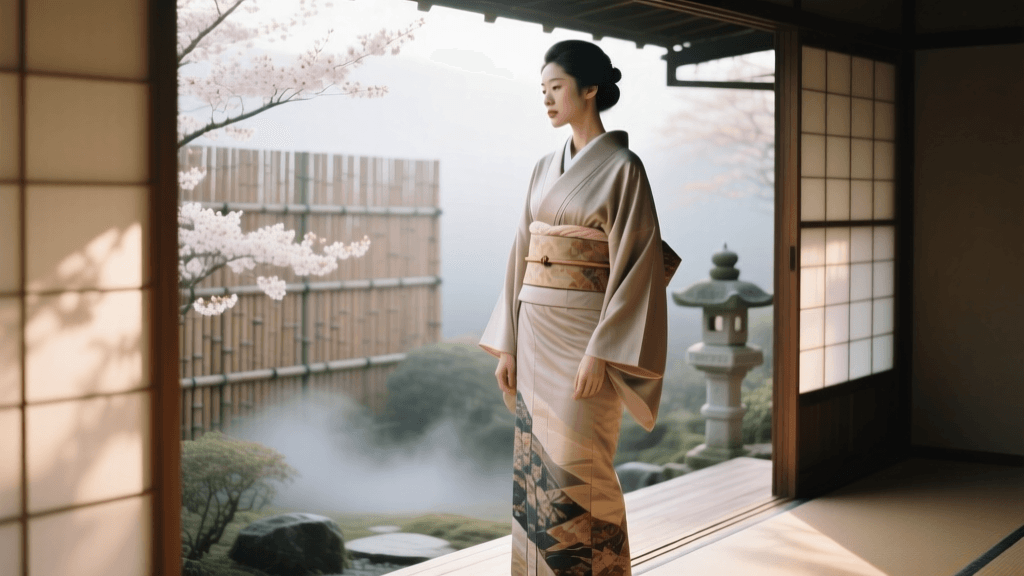
In the intricate world of Japanese traditional garments, dressing is never merely about covering the body; it is a profound dialogue with nature. The concept of shun (旬) — meaning the exact, fleeting peak of a season — governs everything from culinary arts to kimono wearing. To wear a winter-lined kimono in the sweltering heat of August, or a sheer summer robe in the biting winds of January, is considered a fundamental breach of etiquette. Mastering seasonal kimono dressing requires an understanding of fabric weights, layering techniques, and the subtle visual cues that signal your awareness of the changing world around you.
According to the Victoria and Albert Museum, the kimono is not just a garment but a canvas that reflects the wearer's age, status, and the precise time of year. This guide provides actionable, practical advice on navigating the seasonal transitions of kimono wear, complete with fabric specifications, layering techniques, and modern adaptations for global practitioners.
The Three Main Kimono Seasons: A Transition Chart
Traditionally, the kimono calendar is divided into three primary dressing seasons. While modern climate control and global warming have prompted some contemporary wearers to adapt these rules, understanding the traditional baseline is essential for formal occasions and tea ceremonies.
| Season Type | Japanese Term | Traditional Timing | Fabric Characteristics | Undergarments (Juban) |
|---|---|---|---|---|
| Lined | Awase (袷) | October 1 – May 31 | Opaque silk, wool, or polyester with an inner lining. | Standard opaque silk or synthetic nagajuban. |
| Unlined | Hitoe (単衣) | June 1 – June 30 September 1 – September 30 |
Single layer of opaque fabric, no inner lining. | Standard opaque juban, transitioning to lighter weights. |
| Sheer/Summer | Usumono (薄物) | July 1 – August 31 | Sheer, breathable weaves like Ro (leno) and Sha (gauze). | Sheer or hemp juban to match the transparency of the outer robe. |
Layering Techniques: The Art of Kasane
Layering, or kasane, is a cornerstone of Japanese sartorial elegance. During the Heian period (794–1185), court women wore the junihitoe, a twelve-layered ensemble where the precise color combinations at the collar and sleeve openings conveyed deep poetic meanings. Today, while wearing twelve layers is impractical, the aesthetic of kasane-eri (layered collars) remains vital.
Practical Collar Layering (Eri-kasane)
To achieve the illusion of multiple layers without the suffocating heat, modern kitsuke (dressing) practitioners use a date-eri (false collar). Here is how to execute it perfectly:
- The Base: Wear your nagajuban (under-robe) with the han-eri (decorative collar) secured. The collar should sit exactly 1 to 2 finger-widths below the nape of your neck, exposing the nape elegantly.
- The Illusion: Pin or baste a date-eri to the inside of your outer kimono collar. Choose a color that contrasts slightly with your han-eri but complements the outer kimono. For spring, a pale pink date-eri beneath a white han-eri mimics cherry blossoms over snow.
- The V-Shape: When tying the koshi-himo (waist ties), ensure the collar forms a neat, symmetrical V-shape at the front. The point of the V should sit just above the hollow of the collarbone.
Seasonal Dressing Techniques and Undergarments
Winter (December to February): Insulation and Elegance
Winter demands the awase kimono. Silk is naturally thermoregulating, but for extreme cold, wool or modern thermal blends are utilized. The key to winter dressing is the haori (kimono jacket). A standard women's haori measures roughly 80cm to 90cm in length. When entering a formal indoor space, the haori must be removed, so your underlying awase kimono must be impeccably dressed. To combat the cold while moving outdoors, layer a hanten (padded jacket) or use modern heat-tech innerwear beneath your susoyoke (half-slip), ensuring it remains completely hidden below the kimono's hemline.
Spring (March to May): The Awakening of Color
Spring is the season of transition. In early March, you remain in awase, but by late April, the lining of the kimono itself may feature playful, hidden motifs. The inner lining, or hakkake, is an area where subtle luxury is displayed. For the obi (sash), transition from heavy brocade (kinran) to lighter twill weaves. A standard fukuro obi is approximately 31cm wide and 360cm to 400cm long. In spring, tie it in a softer, more voluminous knot like the taiko musubi to reflect the blooming environment.
Summer (June to August): Beating the Heat with Ro and Sha
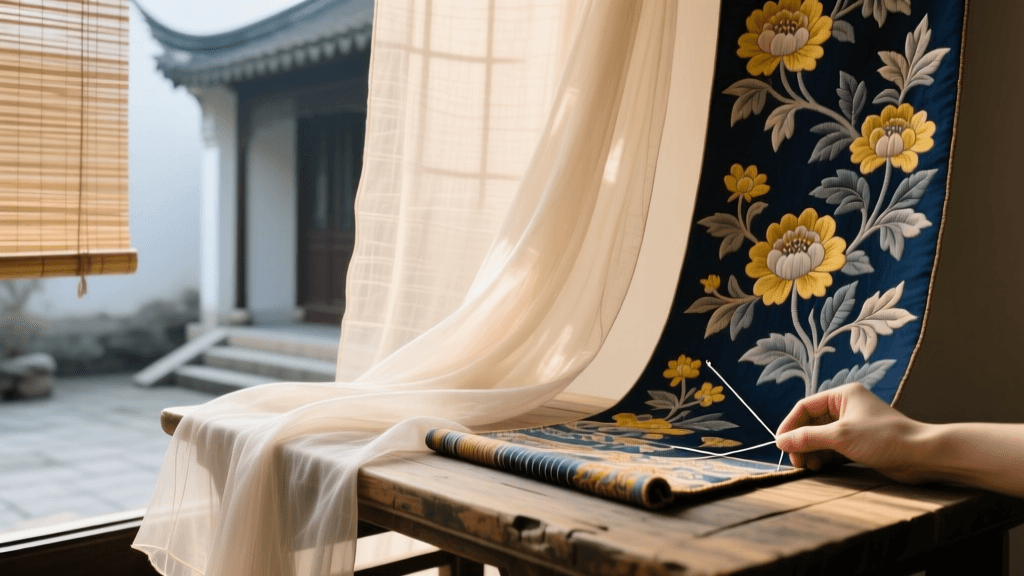
Summer dressing is the most technically demanding due to the transparency of usumono fabrics. Ro features a leno weave with distinct horizontal stripes, while sha is a lighter, more open gauze. Because the outer kimono is sheer, your undergarments become part of the visible design. You must wear a summer nagajuban made of hemp, ramie, or sheer synthetic mesh. The han-eri should also be made of sheer material or feature cooling motifs like flowing water or bamboo. As noted by cultural experts featured in Smithsonian Magazine, the visual cooling effect of these garments was historically just as important as their physical breathability.
Autumn (September to November): The Melancholy of Hitoe
September brings the hitoe, an unlined kimono that bridges the gap between summer's heat and autumn's chill. The fabrics are opaque but lack the heavy inner lining of the awase. This is the time to introduce deep, earthy tones: rust, indigo, and muted gold. The obi-jime (decorative cord) should be swapped from summer's flat, woven cords to rounded, braided silk cords that add a touch of weight and texture to the ensemble.
Sourcing, Costs, and Modern Adaptations
Building a seasonal kimono wardrobe can seem financially daunting, but the robust vintage market and modern synthetic innovations make it accessible. Here is a practical cost breakdown for assembling a basic seasonal rotation:
- Vintage Silk Awase (Winter/Spring): $50 – $150 USD. Look for pieces in the 1970s-1990s era for excellent condition and standard modern sizing (approx. 160cm height).
- Modern Polyester Hitoe (Autumn): $80 – $120 USD. Washable and highly durable, perfect for beginners practicing the unlined transition.
- Vintage Ro or Sha Usumono (Summer): $100 – $250 USD. Sheer vintage silks are fragile; inspect the shoulder and hem areas for dry rot before purchasing.
- Custom Silk Haori (Winter outerwear): $300 – $600 USD. A worthwhile investment piece that can be worn over multiple kimono.
'The true mastery of kitsuke is not found in the flawless tying of an obi, but in the quiet harmony between the wearer, the garment, and the falling leaves or blooming blossoms outside.' — Traditional Kyoto Dressing Proverb
For those outside of Japan, online communities and specialized exporters have made acquiring seasonal pieces easier than ever. However, always verify the ki-sei (condition) and mitsu-mata (measurements) before purchasing. The sleeve drop (sode-take) should ideally reach your wrist bone when your arm is relaxed at your side, and the total length (mitake) should be roughly equal to your height for optimal dressing and hem folding (ohashori).
Conclusion
Embracing the seasonal wear of the kimono is a commitment to mindfulness. It forces the wearer to slow down, observe the natural world, and participate in a centuries-old tradition of aesthetic reverence. Whether you are layering a sheer ro kimono to catch a summer breeze or wrapping yourself in a lined awase against the winter chill, the techniques of kasane and seasonal awareness transform the act of getting dressed into a living, breathing art form.