Mastering Xin Zhongshi: The New Chinese Style Wardrobe Guide
The Rise of Xin Zhongshi: Beyond the Costume
In recent years, the global and domestic fashion landscape has witnessed a profound shift toward cultural reclamation. Moving beyond the strict historical accuracy of the Hanfu revival movement, a new, highly wearable aesthetic has taken center stage: Xin Zhongshi, or 'New Chinese Style.' This trend represents a sophisticated fusion of traditional Chinese sartorial heritage with contemporary, everyday silhouettes. According to market analyses tracked by McKinsey & Company's State of Fashion Report, localism and cultural heritage are driving massive consumer engagement in Asian markets, with younger demographics actively seeking garments that reflect their identity without sacrificing modern utility.
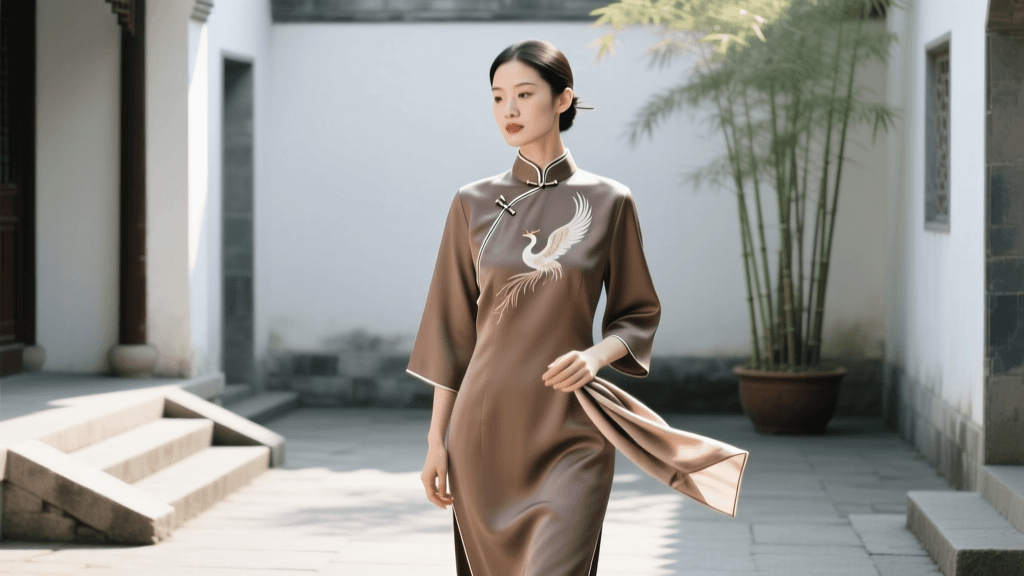
As noted by the South China Morning Post's Fashion & Beauty desk, Xin Zhongshi is not a costume; it is a living, breathing fashion movement. It extracts the DNA of traditional Chinese clothing—such as the Mandarin collar, pankou (frog) knots, and heritage textiles—and injects them into modern staples like tailored blazers, wide-leg trousers, and slip dresses. This guide will provide you with actionable advice, fabric knowledge, and styling formulas to seamlessly integrate New Chinese Style into your modern wardrobe.
Defining the Core Elements of Xin Zhongshi
To master this aesthetic, one must understand the architectural details that define it. Unlike Western tailoring, which relies on darts and complex seaming to create three-dimensional shapes, traditional Chinese garment construction is largely flat and linear, relying on the drape of the fabric and the grace of the wearer's movement. Xin Zhongshi adapts these principles for modern life.
The Modern Mandarin Collar (Liling)
The standing collar is a hallmark of Chinese fashion. However, traditional historical collars were often stiff and high (4 to 5 cm), which can cause chafing during long office hours. Modern Xin Zhongshi adapts this by lowering the collar height to 2 to 2.5 cm and utilizing a curved, soft cotton inner lining. When shopping, look for collars that sit just below the Adam's apple or collarbone, allowing for a full range of neck movement while maintaining a regal, structured posture.
Pankou Knots as Hardware
Pankou (frog buttons) are intricately knotted fasteners made from silk or cotton cords. In traditional garments, they serve as the primary closure. In Xin Zhongshi, they are elevated to decorative hardware. You will frequently see them used asymmetrically on the cuffs of a blazer, trailing down the side slit of a skirt, or clustered at the waist of a denim jacket. Actionable Tip: For daily wear, opt for garments that use hidden magnetic snaps or zippers for the primary closure, utilizing pankou knots purely as ornamental overlays to save time when dressing.
Strategic Slits (Kaicha)
Side slits are essential for mobility in straight-cut garments. In modern New Chinese Style tops and light jackets, slits typically range from 15 cm to 30 cm. This allows the garment to drape elegantly over high-waisted, wide-leg trousers without bunching at the hips.
Fabric Guide: Heritage Textiles vs. Modern Blends
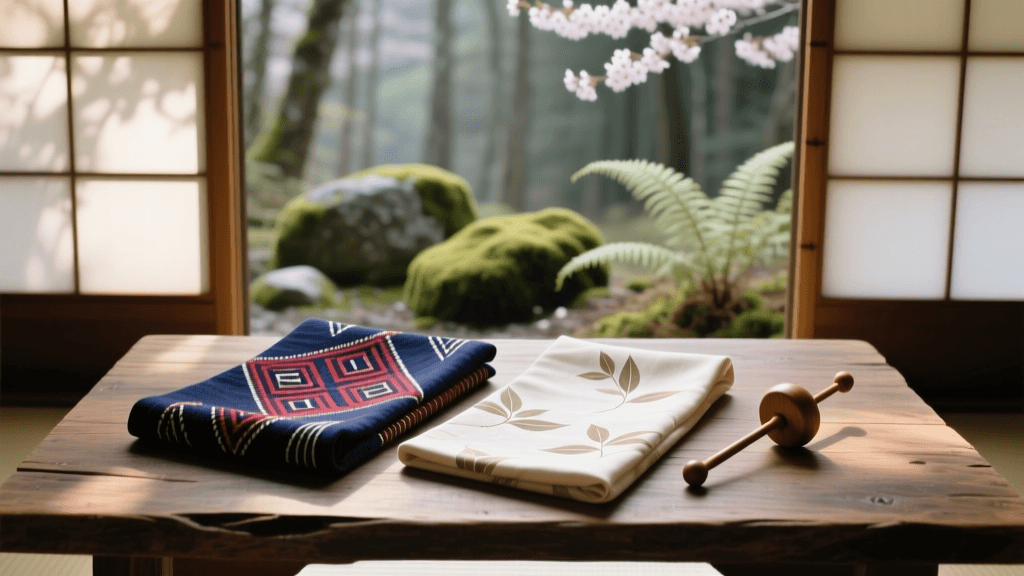
The soul of Xin Zhongshi lies in its textiles. Luxury houses like Shang Xia have pioneered the use of museum-quality heritage fabrics in modern cuts, but everyday consumers must balance authenticity with practicality. Below is a comparison of the most popular fabrics used in this trend.
| Fabric Type | Characteristics | Avg. Cost (USD) | Care & Maintenance | Best Use Case |
|---|---|---|---|---|
| Xiangyunsha (Gambiered Canton Gauze) | Mud-dyed silk with a distinctive crinkled texture and earthy, dark tones. Breathable and antibacterial. | $250 - $600+ | Dry clean only. Must be stored away from direct sunlight to prevent fading. | Summer slip dresses, luxury resort wear, statement blouses. |
| Song Brocade (Song Jin) | Heavy, structured silk weave with intricate, often geometric or floral patterns. Holds its shape exceptionally well. | $150 - $400 | Spot clean or professional dry clean. Store flat or on wide, padded hangers. | Structured blazers, winter skirts, formal outerwear. |
| Modern Jacquard Blends | Cotton/polyester or viscose blends mimicking brocade patterns. Soft, durable, and retains color well. | $40 - $120 | Machine washable on gentle cycle. Low iron on the reverse side. | Everyday office wear, casual jackets, commuter trousers. |
| Washed Linen/Cupro | Lightweight, matte finish with excellent drape. Often dyed in traditional botanical colors like celadon or indigo. | $60 - $150 | Machine wash cold, hang dry. Embraces natural wrinkling. | Gender-neutral dusters, wide-leg pants, summer sets. |
Actionable Styling Formulas for Everyday Wear
Integrating Xin Zhongshi into a modern wardrobe requires balancing the 'traditional' with the 'contemporary.' The golden rule is the 80/20 principle: 80% modern silhouette, 20% traditional detail, or vice versa. Here are three foolproof styling formulas.
Formula 1: The Corporate Executive (Office-Ready)
- The Garment: A cropped Song Brocade blazer with a subtle, tonal bamboo motif and a 2 cm Mandarin collar.
- The Pairing: High-waisted, wide-leg wool trousers in charcoal or black, and a simple silk camisole underneath.
- The Footwear: Pointed-toe leather ankle boots or minimalist loafers.
- Why it works: The structured brocade mimics the authority of a traditional tweed blazer, while the tonal pattern keeps it appropriate for conservative corporate environments.
Formula 2: The Creative Studio (Weekend Streetwear)
- The Garment: A heavyweight denim jacket featuring asymmetrical pankou knot closures and subtle plum blossom embroidery on the back panel.
- The Pairing: A crisp white graphic tee, relaxed-fit vintage denim, and chunky sneakers.
- Why it works: Denim grounds the delicate embroidery, creating a high-low contrast that feels effortlessly cool and distinctly urban.
Formula 3: Gender-Neutral Fluidity (Evening & Events)
- The Garment: An oversized, floor-length linen duster coat (inspired by the traditional Pifeng or cape) in celadon green, left open.
- The Pairing: A black turtleneck, tailored black trousers, and leather derby shoes.
- Why it works: The sweeping lines of the duster provide dramatic movement and a gender-fluid silhouette that echoes ancient scholar robes while remaining fiercely modern.
Styling Note: When wearing heavily patterned Xin Zhongshi pieces, keep your jewelry minimal. Opt for a single piece of white nephrite jade or a simple gold cuff to complement, rather than compete with, the textile.
Sourcing, Keywords, and Budgeting
If you are sourcing pieces online via platforms like Taobao, Tmall, or international equivalents, using the correct search terminology is crucial. Search for '新中式' (Xin Zhongshi) combined with functional terms like '通勤' (Commuter/Office) or '日常' (Daily Wear) to filter out theatrical costumes and cosplay garments.
- Entry-Level ($30 - $80 USD): Look for cotton-linen blends and modern jacquards. Excellent for testing the trend with basic tops and skirts.
- Mid-Tier ($80 - $250 USD): Independent designer brands on Taobao. Expect genuine silk blends, hand-finished pankou knots, and superior tailoring.
- Luxury ($300+ USD): Heritage brands and high-end boutiques offering authentic Xiangyunsha, genuine Song Brocade, and bespoke tailoring.
Garment Care and Maintenance
Traditional Chinese textiles require specific care to maintain their structural integrity and color. Xiangyunsha, for instance, is dyed using river mud and plant extracts; it is highly sensitive to alkaline substances. You must only wash it with pH-neutral silk detergents, and never wring it out. Song Brocade features floating weft threads that can easily snag on jewelry or rough surfaces. Always store brocade garments on wide, padded wooden hangers to prevent shoulder dimpling and warp-thread distortion. For daily wear jacquards, turning the garment inside out before machine washing on a cold, gentle cycle will preserve the raised texture of the weave.
Conclusion
Xin Zhongshi is more than a fleeting trend; it is a sartorial bridge between China's rich textile history and the demands of modern global life. By understanding the nuances of collar heights, fabric behaviors, and the art of balanced styling, you can build a wardrobe that is deeply rooted in cultural heritage while remaining entirely relevant for the contemporary world. Whether you are stepping into a boardroom or navigating a weekend art gallery, the New Chinese Style offers a sophisticated, elegant, and deeply personal way to dress.