Kyoto Kimono Rental Guide: Costs, Etiquette & Routes
The Magic of Kyoto in Traditional Attire
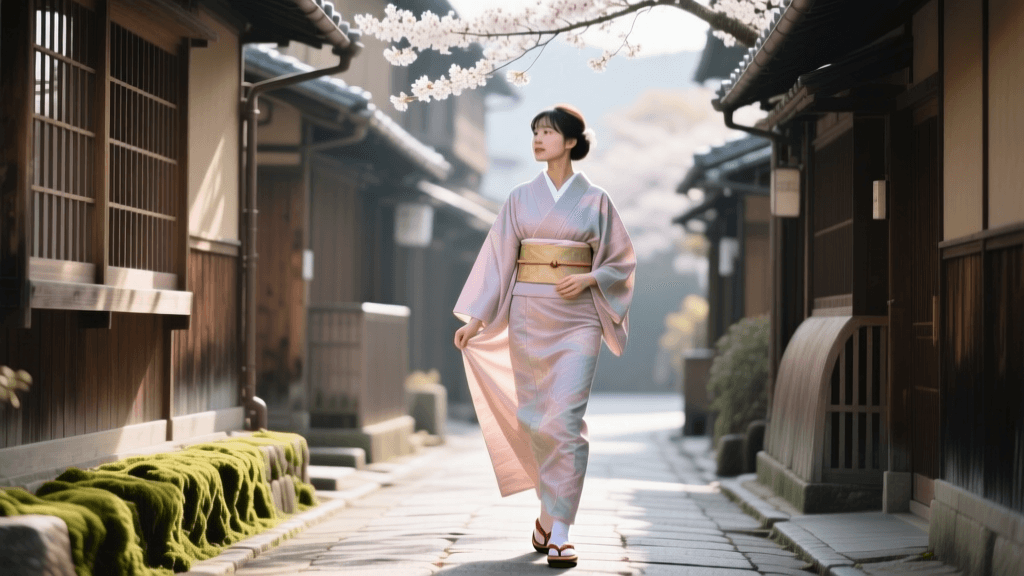
Kyoto is universally recognized as the cultural heart of Japan, a city where ancient temples, serene Zen gardens, and historic wooden machiya townhouses coexist with modern life. For international visitors, one of the most immersive ways to experience this living history is by participating in a kimono rental. Strolling through the preserved streets of Gion or Higashiyama draped in traditional Japanese garments transforms a standard sightseeing trip into a profound cultural engagement. According to the Japan National Tourism Organization (JNTO), Kyoto remains the premier destination for heritage tourism, with traditional dressing experiences consistently ranking among the top requested activities for inbound travelers.
However, navigating the myriad of rental shops, understanding the complex layers of the garment, and adhering to cultural etiquette can be daunting for first-time tourists. This comprehensive guide breaks down everything you need to know about kimono rentals in Kyoto, from pricing tiers and the dressing process to essential etiquette and the most photogenic walking routes.
Decoding Kimono Rental Packages and Costs
Kimono rental shops in Kyoto generally offer tiered pricing based on the quality of the fabric, the complexity of the obi (sash) tying, and additional services like hair styling. Most shops are concentrated around major transit hubs like Kyoto Station and tourist hotspots like Kiyomizu-dera. Below is a comparative breakdown of what you can expect to pay and receive.
| Package Tier | Inclusions | Average Cost (JPY) | Best For |
|---|---|---|---|
| Basic Casual | Polyester kimono, standard obi, zori sandals, basic hair accessories | 4,000 - 5,500 | First-timers, budget travelers, large groups |
| Premium Silk | Authentic silk kimono, hair styling, premium bag, taiko musubi obi knot | 7,000 - 10,000 | Anniversaries, photography enthusiasts, luxury seekers |
| Vintage / Taisho Roman | Antique Meiji/Taisho era garments, lace accessories, retro boots | 8,000 - 12,000 | Fashion-forward tourists, anime fans, history buffs |
| Couple / Pair | Matching or complementary men's hakama and women's kimono sets | 9,000 - 14,000 | Couples, best friends, family duos |
Note: Prices typically include a full day rental, with garments needing to be returned by 5:00 PM or 6:00 PM. Some shops offer next-day return options for an additional 1,000 to 2,000 JPY.
The Dressing Process (Kitsuke): What to Expect
The art of wearing a kimono is known as kitsuke. At a professional rental shop, a licensed dresser will guide you through the process, which usually takes between 30 to 45 minutes. Understanding the layers will help you appreciate the craftsmanship and prepare for the physical sensation of wearing the garment.
Step 1: Undergarments (Hadajuban and Susoyoke)
You will first be provided with a hadajuban (a thin cotton top) and susoyoke (a wrap skirt). These protect the outer silk from sweat and body oils. It is highly recommended to wear your own low-cut, tight-fitting undergarments beneath these, as traditional necklines dip low at the nape.
Step 2: The Nagajuban (Under-Kimono)
The nagajuban is a secondary kimono worn beneath the main garment. Its primary purpose is to provide a smooth silhouette and to display a flash of color or pattern at the collar and sleeves. A stiff collar insert called an eri-shin is placed inside to maintain a crisp neckline.
Step 3: The Main Kimono and Ohashori
The outer kimono is wrapped left over right (right over left is strictly reserved for dressing the deceased). Because kimono are made in standard, extra-long lengths, the excess fabric is folded at the waist to create a tuck called the ohashori. This fold is a hallmark of proper women's kimono styling and allows the hem to fall perfectly at the ankles.
Step 4: Datejime and the Obi
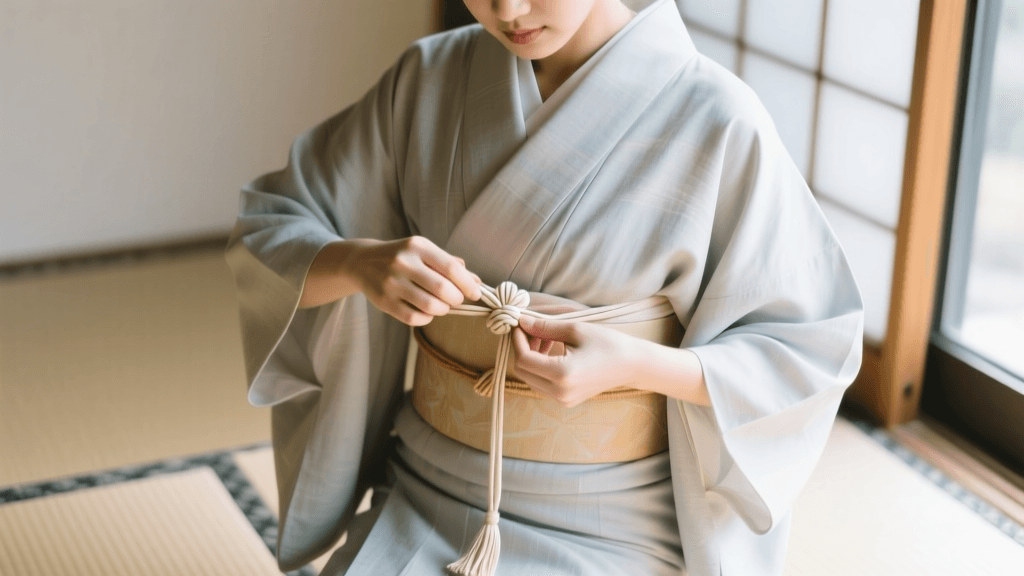
Thin sashes called datejime are tied around the waist to secure the folds. Finally, the obi—a thick, ornate sash that can cost more than the kimono itself—is wrapped and tied. For tourists, dressers usually create a taiko musubi (drum knot) or a decorative floral knot at the back, which acts as a supportive back brace, encouraging perfect posture.
Step 5: Footwear and Accessories
You will be fitted with tabi (split-toe socks) and zori (straw or vinyl sandals). You will also receive a small drawstring bag or a woven basket to carry your modern essentials like your smartphone and wallet.
Essential Kimono Etiquette for Tourists
Wearing a kimono inherently changes how you move. The garment is restrictive by design, meant to enforce grace, modesty, and mindfulness. To respect the culture and ensure your own comfort, keep these practical etiquette tips in mind:
- Master the Suriashi Walk: Avoid long, bounding strides. Instead, practice suriashi, a sliding walk where your feet barely leave the ground. This prevents the hem from flapping open and keeps the obi knot secure.
- Navigating Stairs and Slopes: Kyoto's temple grounds feature many stone stairs. When ascending, lightly hold the front hem of your kimono with one hand to prevent stepping on it. When descending, the ohashori fold naturally protects the hem, but maintain a slow, deliberate pace.
- Sitting Gracefully: When sitting on a chair, sit shallowly and keep your back straight to avoid crushing the obi knot. If sitting on tatami mats in the traditional seiza (kneeling) position, gently smooth the back of your kimono down before lowering yourself.
- Restroom Logistics: This is the most common challenge for tourists. Before entering a restroom, use the small plastic clip provided by most rental shops to gather the front and back hems of your kimono and ohashori, clipping them securely to your obi or datejime. This prevents the fabric from touching the floor.
- Respect the Garment: Avoid eating messy or strongly colored foods (like matcha ice cream or soy sauce-based dishes) while wearing the kimono, as silk stains are notoriously difficult to remove and will incur a heavy cleaning fee.
Top 3 Scenic Routes for Kimono Photography
Choosing the right location is crucial for capturing the perfect photograph. The Kyoto City Official Travel Guide emphasizes that early morning exploration not only yields the best light but also helps you avoid the dense crowds that can make walking in restrictive garments difficult.
1. The Higashiyama Preservation District
Route: Yasaka Shrine → Sannenzaka → Ninenzaka → Kiyomizu-dera.
Best Time: 8:00 AM - 9:30 AM.
Why it Works: This is the quintessential Kyoto backdrop. The sloping stone-paved streets lined with wooden merchant houses offer endless photographic angles. Arriving before 9:30 AM is critical; by 10:30 AM, Sannenzaka becomes heavily congested with tour groups, making it difficult to walk safely in zori sandals.
2. Arashiyama and the Sagano Area
Route: Togetsukyo Bridge → Arashiyama Bamboo Grove → Sagano Romantic Train area.
Best Time: 7:30 AM - 9:00 AM.
Why it Works: While the main Bamboo Grove is famous, it is incredibly narrow and crowded. For a superior experience, walk ten minutes further north into the Sagano area, where bamboo groves are wider, quieter, and allow for sweeping, cinematic photos of your kimono flowing in the breeze.
3. Fushimi Inari Taisha
Route: Main Hall → Senbon Torii (Thousand Torii Gates).
Best Time: 7:00 AM sharp.
Why it Works: The vibrant vermilion gates contrast beautifully with the cool blues, greens, and purples of traditional kimono fabrics. Warning: Do not attempt to hike the full mountain loop in a kimono. The steep inclines and uneven roots will ruin your footwear and exhaust you. Stick to the lower loops for photography and enjoy the aesthetic without the physical strain.
Choosing Authentic and Sustainable Rentals
As the demand for kimono experiences has skyrocketed, so has the influx of cheap, mass-produced polyester garments imported from overseas. While these are affordable and easy to clean, they lack the breathability, drape, and cultural significance of authentic Japanese textiles. For a more meaningful and sustainable experience, seek out rental shops that specialize in vintage silk or partner with local artisans.
The Japanese government actively works to preserve these heritage skills. According to the Ministry of Economy, Trade and Industry (METI), traditional crafts like Nishijin-ori (Kyoto's famous brocade weaving) and Kyo-yuzen (hand-painted silk dyeing) are designated cultural assets that require consumer support to survive in the modern era. By paying a premium for a genuine silk kimono rental, you are directly supporting the local Kyoto economy and helping to sustain the artisans who keep these centuries-old techniques alive.
'A kimono is not merely a piece of clothing; it is a canvas of Japanese seasons, history, and philosophy. When you wear authentic silk, you are wrapping yourself in the legacy of Kyoto's master weavers and dyers.' — Master Artisan at a Nishijin Textile Center
Conclusion: Embracing the Experience
Renting a kimono in Kyoto is far more than a simple photo opportunity; it is an exercise in mindfulness, posture, and cultural appreciation. By understanding the mechanics of the kitsuke process, budgeting for authentic silk packages, and adhering to the graceful etiquette of the garment, you elevate your journey from a standard tourist activity to a deeply respectful cultural exchange. Plan your routes wisely, wake up early to beat the crowds, and allow the rhythmic, sliding steps of your zori sandals to guide you through the timeless streets of Japan's ancient capital.