Anime Cosplay Guide: Styling Hakama and Kimono Authentically
The Intersection of Traditional Japanese Garments and Anime Cosplay
The global explosion of anime and manga has introduced millions of fans to the breathtaking aesthetics of traditional Japanese clothing. From the flowing, gravity-defying sleeves of magical girls to the structured, martial-ready pleats of samurai and shinigami, garments like the kimono, yukata, haori, and hakama are foundational to Japanese character design. However, translating these 2D designs into 3D convention wear requires more than just buying a cheap costume replica. It demands an understanding of historical silhouettes, proper layering, and respectful styling.
For dedicated cosplayers, bridging the gap between anime fantasy and historical reality elevates a costume into a work of art. According to the Victoria and Albert Museum, the kimono is not merely a piece of clothing but a complex, structured garment that dictates the posture and movement of the wearer. When cosplaying characters from series like Demon Slayer (Kimetsu no Yaiba), Bleach, or Rurouni Kenshin, understanding these traditional mechanics is the secret to achieving an authentic, screen-accurate presence on the convention floor.
Choosing Your Base: Kimono, Yukata, and Hakama
Anime character designers frequently mix and match historical garments to create unique silhouettes. To build your cosplay, you must first identify the real-world base garments your character is wearing.
The Hakama: Action and Elegance
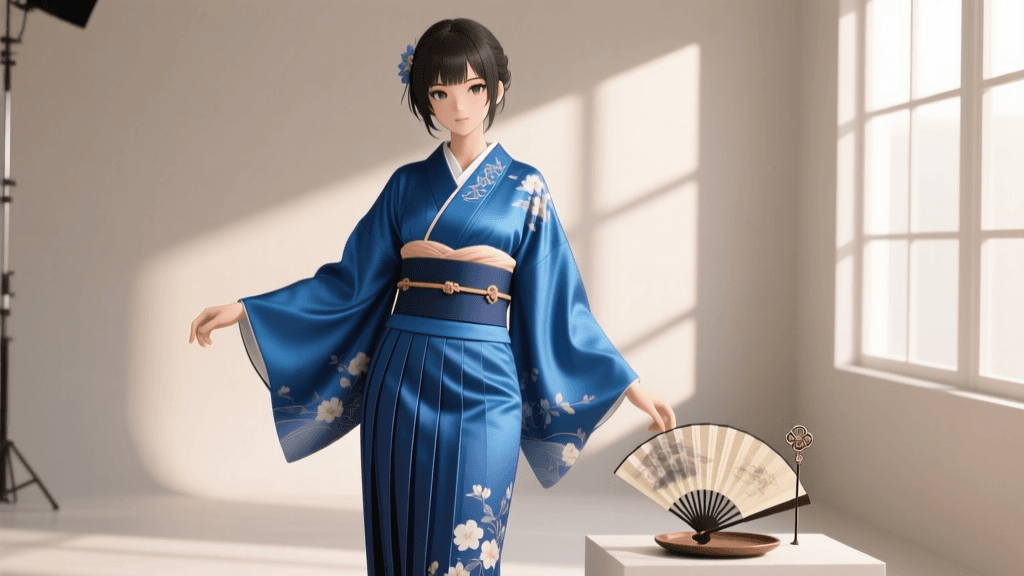
The hakama is a pleated, divided skirt (umanori) or undivided skirt (andon bakama) worn over a kimono. In anime, it is the uniform of choice for swordsmen, shrine maidens (miko), and martial artists. A traditional hakama features exactly seven deep pleats: five in the front and two in the back. This asymmetry is a detail frequently missed by mass-market costume manufacturers but instantly recognized by traditionalists and hardcore fans. When cosplaying a Shinigami from Bleach or Tanjiro from Demon Slayer, ensuring your hakama has the correct pleat structure and a rigid koshiita (backboard) will drastically improve your silhouette.
The Haori: The Anime Signature Layer
The haori is a hip- or thigh-length kimono-style jacket. In anime, the haori is often used to display character motifs, clan symbols, or iconic patterns—such as Tanjiro’s black-and-green ichimatsu (checkerboard) pattern or the colorful haori worn by the Hashira. Unlike the kimono, the haori is worn open at the front and is secured by a short, braided cord called a haori himo. Sourcing or crafting an accurate haori himo knot is a small detail that adds immense authenticity to your cosplay.
Fabric and Material Guide for Convention Wear
While historical garments were predominantly crafted from silk, modern cosplayers must balance authenticity with the harsh realities of crowded convention centers. Heat, humidity, and constant movement require strategic fabric choices. As noted by cultural experts at Japan Guide, the material of a kimono dictates its formality and seasonal use, a concept that can be adapted for cosplay comfort.
| Fabric Type | Pros for Cosplay | Cons for Cosplay | Best Anime Archetype |
|---|---|---|---|
| Silk | Unmatched drape, authentic sheen, historically accurate. | Extremely expensive, stains easily, difficult to clean, hot. | Royalty, High-ranking nobles, Final Fantasy-style elegance. |
| Polyester | Affordable, machine washable, holds vibrant anime prints well. | Can trap heat, lacks the natural weight and drape of silk. | Shonen protagonists, active fighters, mass-produced uniforms. |
| Cotton | Breathable, comfortable, excellent for summer yukata styles. | Wrinkles easily, lacks the formal stiffness required for hakama. | Slice-of-life characters, festival attendees, casual wear. |
| Linen | Highly breathable, natural texture, great for historical fantasy. | Prone to heavy wrinkling, can look too casual if not styled right. | Wandering swordsmen, rural setting characters, monks. |
Mastering the Silhouette: Layering and Proportions
The most common mistake in anime kimono cosplay is treating the garment like a Western wrap dress. Traditional Japanese clothing is designed to create a cylindrical, straight-line silhouette that obscures the natural curves of the body. Anime often exaggerates this by drawing impossibly wide sleeves or perfectly rigid collars.
Exaggerating the Collar (Eri) and Sleeves (Sode)
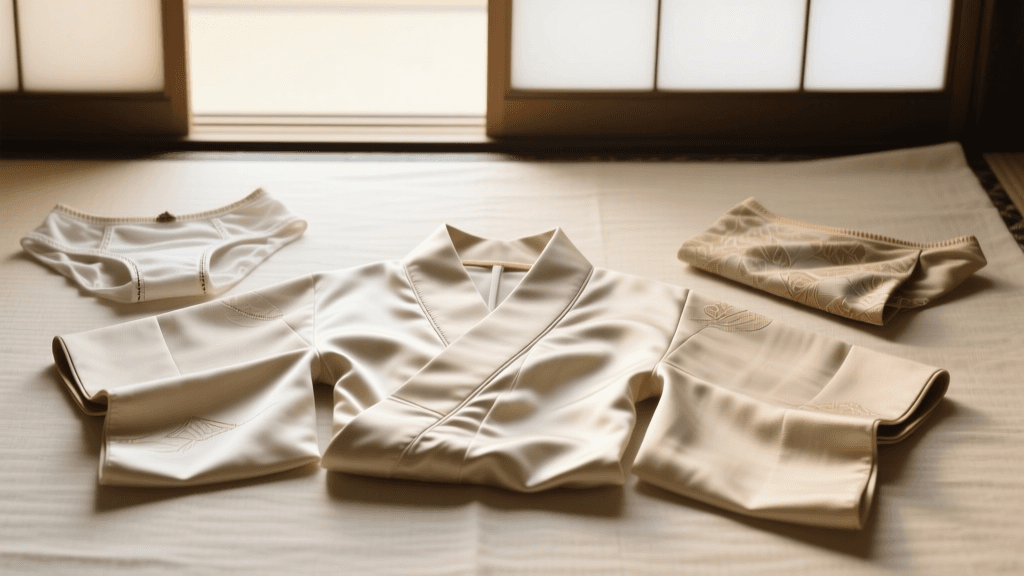
To achieve the crisp, layered collar look seen in manga, you must wear a juban (undergarment). The white edge of the juban’s collar should peek out exactly half an inch from the outer kimono collar. For characters with massive, flowing sleeves (like a furisode), the sleeves can measure up to 114 cm in length. To prevent these from dragging on dirty convention floors while maintaining the anime aesthetic, use clear elastic loops around your middle fingers—a trick utilized by professional cosplayers to manage excess fabric during photoshoots while letting it flow naturally when posing.
Padding and Tying
To achieve the traditional straight-line silhouette, cosplayers often use hip padding and towels wrapped around the waist. This not only honors the historical aesthetic but also provides a stable base for tying the obi (sash). For practical wearing guides and obi-tying techniques, the cultural publication Tofugu provides excellent visual tutorials that can be adapted for securing heavy cosplay props and swords to your waist without the garment slipping.
Cosplay Pro-Tip: When wearing a hakama for an active anime character, use a rigid koshiita (backboard) to maintain traditional posture. Even if your character slouches in the manga, a rigid backboard elevates the cosplay from a simple costume to a respectful, high-quality garment presentation.
Practical Convention Tips: Footwear and Mobility
Footwear can make or break a traditional Japanese cosplay. Characters are almost exclusively drawn wearing tabi (split-toe socks) with zori (flat sandals) or geta (wooden clogs). However, walking miles on concrete convention center floors in wooden geta is a recipe for blisters and fatigue.
- The Modern Tabi Hack: Wear a thin, skin-toned modern sock over your traditional cotton tabi. This provides a hygienic barrier and slight cushioning without ruining the visual aesthetic in photos.
- Geta Modification: Apply clear rubber grip pads to the bottom teeth of your geta. This prevents slipping on polished hotel floors and muffles the loud clacking sound, which can be disruptive in quiet convention panels.
- Prop Management: If your character carries a katana, ensure your obi is tied using a martial arts knot (like the bunko or a specialized samurai knot) rather than a decorative women's knot, allowing the sword to rest securely at the correct downward angle.
Sourcing, Budgeting, and Timing
Acquiring the right garments requires planning. Mass-market Halloween costumes rarely capture the correct pleat ratios, fabric weights, or collar structures. Here is a strategic guide to sourcing your pieces:
- Japanese Recycle Shops: If you live in or are visiting Japan, stores like Bookoff, Hardoff, and Chicago offer authentic, second-hand silk and polyester kimonos and hakama for a fraction of their retail cost. You can often find a complete set for under $50 USD.
- Specialized Cosplay Tailors: For highly specific anime patterns (like the intricate Hashira haori designs), commission a tailor on platforms like Etsy or specialized cosplay shops. Timing: Order custom-embroidered or printed pieces at least 3 to 4 months before your convention to account for international shipping and revisions.
- Martial Arts Suppliers: For plain, solid-colored hakama (ideal for Bleach or Kenshin cosplays), purchasing from actual martial arts suppliers (like those selling kendo or aikido gear) is often cheaper and vastly superior in quality to cosplay-specific brands.
Respecting the Culture While Cosplaying
When engaging with traditional garments from any culture, respect is paramount. Japanese clothing carries deep historical and spiritual significance. Avoid modifying authentic vintage silk garments with irreversible cuts or glue. Instead, use safety pins, double-sided fabric tape, and basting stitches to alter the fit temporarily. Furthermore, be mindful of how you sit and move; dragging the hem of a kimono or hakama through dirt not only damages the garment but is considered highly disrespectful to the artisans who created it. By treating your cosplay with the same reverence as a traditional practitioner, you honor both the source material and the rich cultural heritage that inspired it.