The Ultimate Hanfu Care Guide for Silk, Ramie, and Brocade
Preserving the Elegance of Traditional Chinese Garments
The global resurgence of the hanfu movement has brought traditional Chinese clothing out of museums and into everyday life. From the flowing elegance of Wei-Jin aesthetics to the structured majesty of Ming dynasty attire, enthusiasts are investing significant time and resources into building authentic wardrobes. However, acquiring a beautiful garment is only the first step; preserving its historical integrity, vibrant dyes, and delicate textiles requires a specialized approach to garment care. Unlike modern fast fashion, traditional hanfu often utilizes natural fibers, complex weaving techniques, and hand-applied dyes that demand meticulous maintenance. This comprehensive guide provides actionable, fabric-specific care instructions to ensure your silk, ramie, and brocade hanfu remain pristine for generations.
Silk Hanfu Care: Protecting Protein Fibers
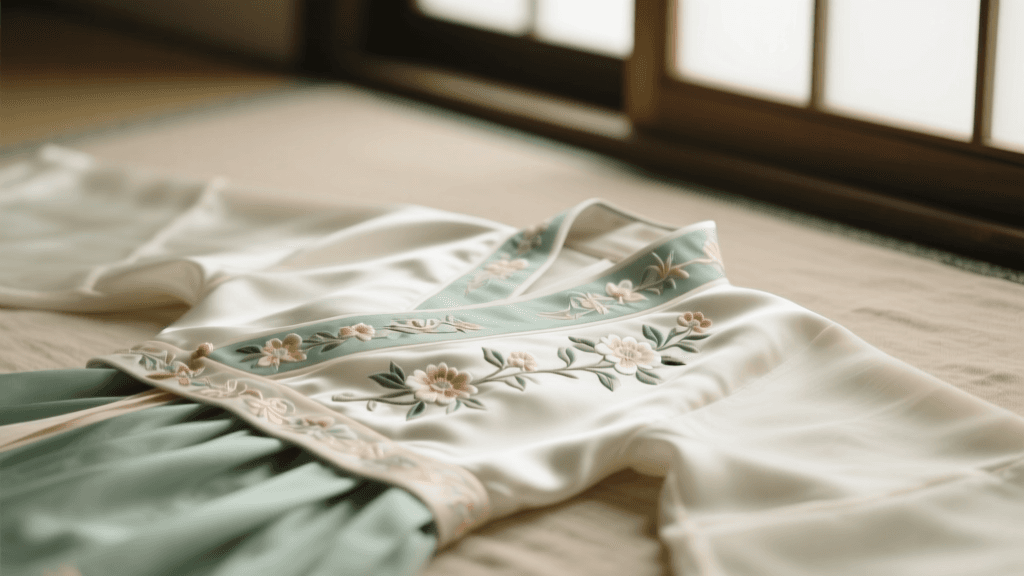
Silk is a natural protein fiber, revered for its luster and drape. Common hanfu fabrics include silk crepe de chine, chiffon, and charmeuse. Because protein fibers are highly sensitive to alkalinity and heat, improper washing can lead to permanent dullness, shrinkage, and fiber degradation. To wash silk hanfu at home, fill a clean basin with cold to lukewarm water, strictly keeping the temperature below 30°C (86°F). Use a pH-neutral detergent specifically formulated for delicates, such as Eucalan Fine Fabric Wash or The Laundress Delicate Wash. Measure approximately one-quarter teaspoon of detergent per gallon of water. Submerge the garment and gently agitate it with your hands for no more than three to five minutes. Never twist, scrub, or wring the silk, as this breaks the delicate filaments and causes irreversible creasing. To dry, lay the garment flat on a clean microfiber towel, roll the towel up to gently press out excess water, and then lay the hanfu flat on a drying rack in the shade. Iron on the 'silk' setting using a clean cotton press cloth to prevent water spots and heat damage.
Ramie and Linen: Caring for Cellulose Fibers
Ramie, often referred to as 'Chinese linen,' is a bast fiber derived from the stalks of the Boehmeria nivea plant. It is highly valued in hanfu for its breathability, crisp texture, and historical accuracy in summer garments. Unlike silk, ramie is a cellulose fiber and can withstand more rigorous cleaning. However, to preserve the sharp knife pleats and woven patterns, handwashing remains the gold standard. You may use a slightly warmer water temperature, around 35°C (95°F), and a mild liquid detergent. If you must machine wash a ramie hanfu, place it inside a mesh laundry bag, select the delicate cycle, and use cold water. Ramie is prone to wrinkling; therefore, remove the garment from the wash while it is still slightly damp. Ironing requires a medium-to-high heat setting with abundant steam. For best results, use a spray bottle to mist the fabric evenly before pressing with a heavy iron.
Brocade and Jacquard: Handling Luxurious Textiles
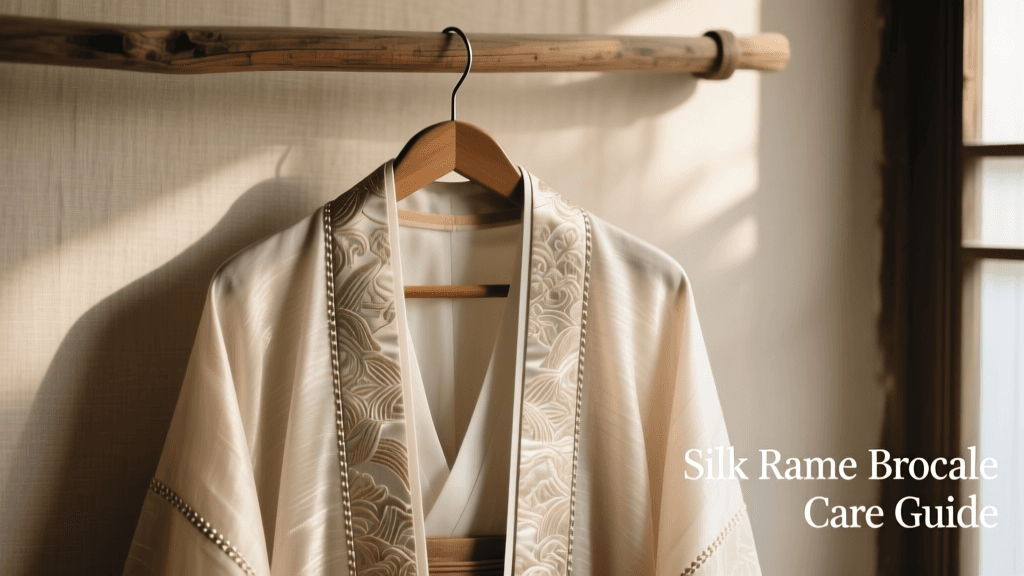
Brocade and jacquard fabrics are hallmarks of luxurious, formal hanfu, often featuring intricate woven patterns and metallic threads (such as gold or silver-wrapped yarns). These garments require the most cautious approach. The metallic threads can easily tarnish, snap, or melt under high heat and harsh chemicals. Consequently, professional dry cleaning is generally recommended for heavy brocade jackets (ao) and formal outerwear. If a garment is labeled as hand-washable, treat it with the same care as silk, but avoid soaking it for extended periods. Never apply direct heat from an iron to brocade; always use a thick, clean cotton press cloth and iron on the reverse side using the lowest possible heat setting.
Fabric Care Comparison Chart
| Fabric Type | Water Temperature | Detergent | Drying Method | Ironing Heat |
|---|---|---|---|---|
| Silk (Chiffon, Crepe) | Cold (Max 30°C / 86°F) | pH-Neutral Delicate Wash | Flat or Shade Dry | Low (with press cloth) |
| Ramie / Linen | Cool to Warm (35°C / 95°F) | Mild Liquid Detergent | Line Dry (Damp Iron) | Medium-High (with steam) |
| Brocade / Jacquard | N/A (Dry Clean Preferred) | N/A | Air Dry (if spot cleaned) | Lowest (Reverse side only) |
Maintaining Knife Pleats and Structural Elements
Many iconic hanfu silhouettes, particularly the Ming dynasty mamianqun (horse-face skirt), rely on intricate knife pleats that can easily lose their shape if mishandled. To preserve these structural elements, never hang a wet pleated skirt, as the weight of the water will pull the pleats out of alignment. Instead, lay the skirt flat on a clean, dry towel, roll it up gently to absorb excess moisture, and then lay it flat on a drying rack in the shade. Once dry, if the pleats require refreshing, use a specialized pleating board or carefully pin the pleats in place on an ironing board. Cover the fabric with a damp press cloth and apply a burst of steam followed by the heat of the iron. Allow the fabric to cool completely before unpinning to ensure the pleats set perfectly.
Archival Storage and Pest Prevention
According to the Smithsonian Museum Conservation Institute, natural protein fibers like silk are highly susceptible to alkaline damage and environmental stressors, making proper storage just as critical as washing.
When storing your hanfu for the season, never use wire or plastic hangers, which can distort the shoulder seams and leave permanent creases. Invest in wide, padded hangers (approximately $15 to $20 each) to support the garment's weight. For folded items like pleated skirts, stuff the pleats with unbuffered, acid-free tissue paper (brands like Archival Methods offer 50-sheet packs for around $25) to maintain their structural integrity and prevent hard creases.
Furthermore, the Canadian Conservation Institute emphasizes that light exposure and poor air circulation are primary culprits in textile degradation. Store your garments in breathable, 100% cotton garment bags rather than plastic dry-cleaning covers, which can trap moisture and emit harmful volatile organic compounds (VOCs). Keep your wardrobe in a cool, dark room with stable humidity levels (ideally between 45% and 55%). To deter pests like clothes moths and silverfish without resorting to toxic mothballs that damage fibers, utilize natural alternatives such as sandalwood blocks, dried lavender sachets, or cedar rings, replacing them every six months to maintain their efficacy.
Emergency Stain Removal
Accidents happen, especially during vibrant festival celebrations or elaborate tea ceremonies. When treating stains on traditional garments, time and technique are of the essence. For sweat stains on silk collars, create a gentle paste using distilled water and a small amount of cornstarch. Apply it to the stain, let it dry completely, and gently brush it away with a soft-bristled makeup brush. For makeup or oil-based stains, avoid water entirely. Instead, sprinkle talcum powder or cornstarch over the spot to absorb the oils, leave it for several hours, and brush it off. If the stain persists, it is safer to take the garment to a professional textile conservator or a dry cleaner experienced with historical garments. Avoid commercial stain removers, bleach, or enzymatic cleaners, as these will strip the natural dyes and destroy the delicate protein structure of the silk.