The Ultimate Hanfu Care Guide: Washing and Preserving Silk
The Resurgence of Hanfu and the Need for Specialized Care
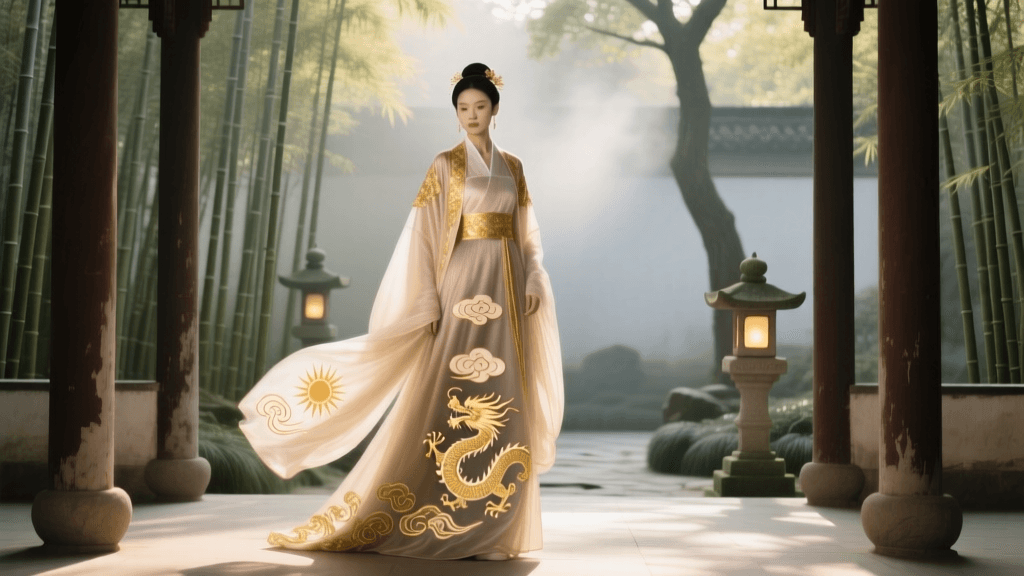
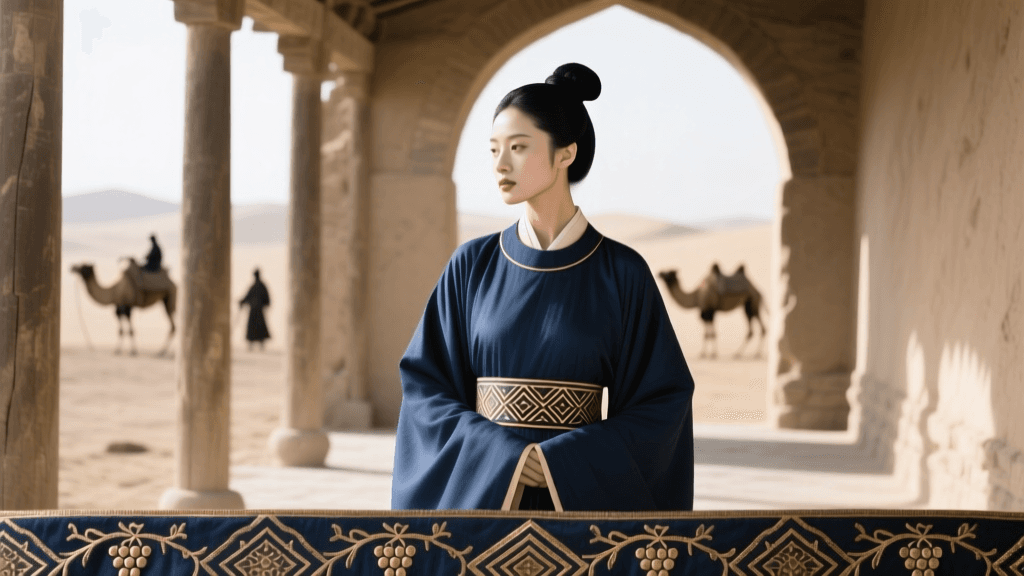
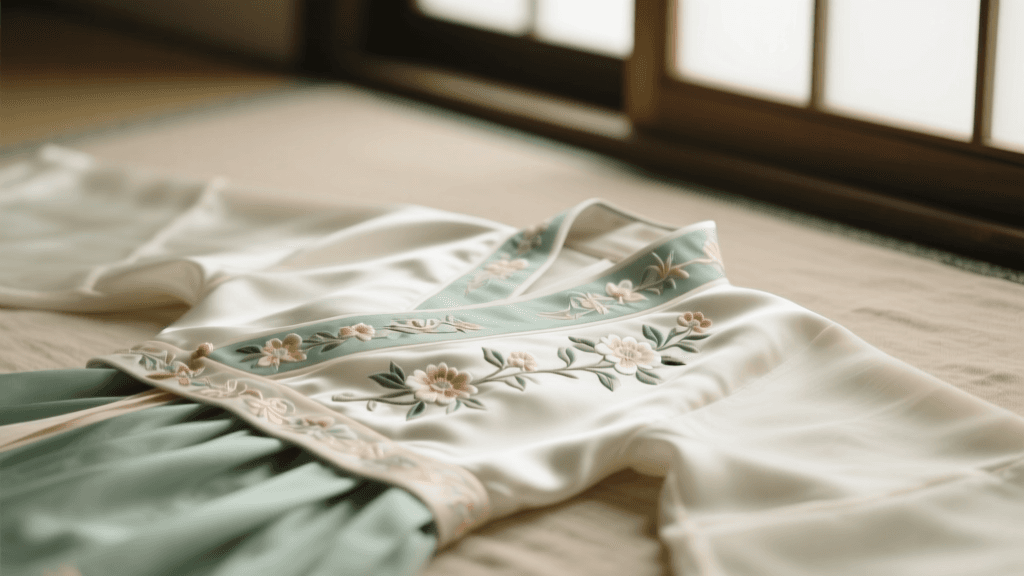
The global revival of Hanfu and the broader 'Xin Zhongshi' (New Chinese Style) movement has brought traditional Chinese garments back into everyday wardrobes. From the flowing sleeves of the Wei-Jin era to the structured, pleated Mamianqun (horse-face skirts) of the Ming Dynasty, these garments are celebrated for their intricate tailoring and luxurious textiles. However, owning a piece of living history—or a high-quality modern reproduction—comes with the responsibility of proper garment care. Unlike fast fashion, traditional Asian garments often utilize delicate protein fibers, complex embroidery, and specialized pleating techniques that require meticulous maintenance to preserve their structural integrity and vibrant dyes.
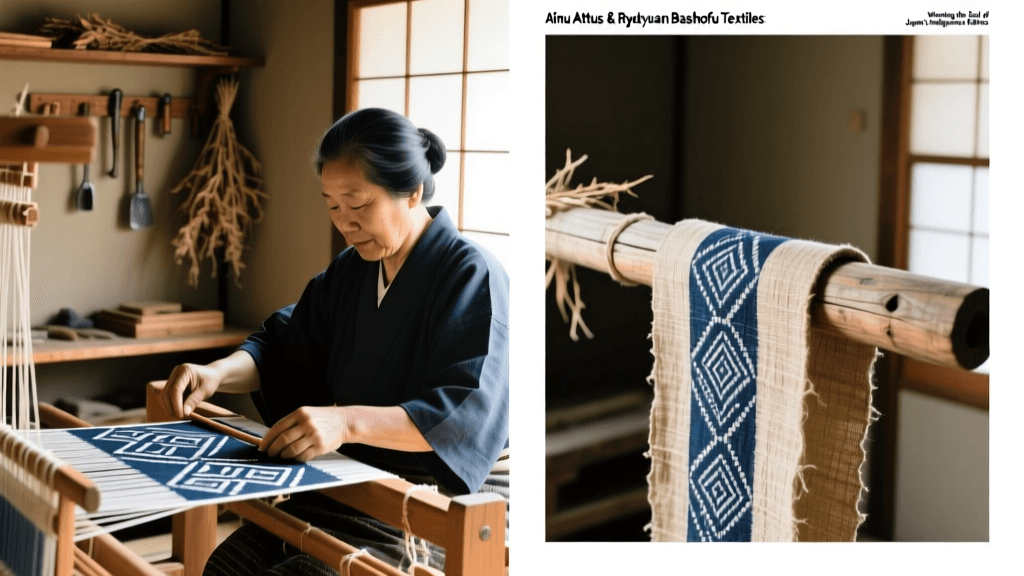
Whether you are investing in authentic mulberry silk, styling modern polyester chiffon blends for daily wear, or managing heavy brocade jackets, understanding the chemistry and physics of your fabrics is essential. Improper washing can lead to irreversible shrinkage, color bleeding, and the destruction of delicate metallic embroidery threads. This comprehensive guide provides actionable, expert-backed protocols for washing, drying, ironing, and archiving your traditional Chinese wardrobe.
Decoding Hanfu Fabrics: A Comprehensive Care Chart
Before submerging any garment in water, it is crucial to identify the fabric composition. Modern Hanfu manufacturers utilize a wide spectrum of materials, ranging from historically accurate natural fibers to highly durable modern synthetics. Below is a structured comparison chart to help you determine the safest care route for your specific garment.
| Fabric Type | Wash Method | Water Temp | Iron Setting | Est. Dry Clean Cost |
|---|---|---|---|---|
| Mulberry Silk (Sang Can Si) | Hand Wash Only | Cold (Below 30°C) | Low (110°C) + Press Cloth | $25 - $40 |
| Polyester Chiffon (Xue Fang) | Machine (Delicate Cycle) | Cool (30°C) | Low / Steam Safe | $15 - $20 |
| Cotton/Linen Blends | Machine (Gentle Cycle) | Warm (40°C) | Medium-High | $10 - $15 |
| Brocade (Zhi Jin) | Dry Clean Only | N/A | Steam Only (No Contact) | $30 - $50 |
Step-by-Step Washing Guide for Delicate Silks and Blends
Hand-Washing Silk Hanfu
Silk is a natural protein fiber composed of fibroin. According to textile care guidelines from Mulberry Park Silks, alkaline environments break down these protein bonds, leading to fiber degradation, loss of luster, and brittleness. Therefore, you must never use standard laundry detergents, bleach, or enzyme-based stain removers on silk Hanfu.
- Preparation: Fill a clean basin with cold water (strictly below 30°C / 86°F).
- Detergent Selection: Add a capful of a pH-neutral, silk-specific detergent. Brands like Eucalan, The Laundress Delicate Wash, or Heritage Park Silk Wash are highly recommended. These typically cost between $15 and $25 per bottle but will last for dozens of washes.
- The Soak: Submerge the garment and gently agitate the water with your hands. Let it soak for exactly 10 to 15 minutes. Prolonged soaking can cause natural dyes to bleed.
- Rinsing: Drain the soapy water and refill with cold, clean water. Repeat until the water runs completely clear. Do not wring or twist the fabric, as wet silk is highly susceptible to tearing and warping.
Machine-Washing Polyester and Cotton Blends
For daily-wear Hanfu made of polyester chiffon, organza, or cotton-linen blends, machine washing is permissible if done with caution. Always turn the garment inside out to protect outer embroidery and prevent friction pilling. Place the Hanfu inside a fine mesh laundry bag to prevent the long sleeves and ties from tangling with other garments or catching on the machine's agitator. Use a gentle or delicate cycle with cold water and a mild liquid detergent. Avoid fabric softeners, which can leave a residue that dulls the sheen of synthetic chiffons and reduces the breathability of linen.
The Art of Drying and Ironing Traditional Garments
Drying your Hanfu correctly is just as critical as the washing process. Direct sunlight contains ultraviolet (UV) rays that will rapidly fade the vibrant reds, blues, and golds typical of traditional Chinese dyeing techniques. Furthermore, the weight of water-logged silk can cause the garment to stretch out of shape if hung improperly.
The Towel Roll Method: Lay a clean, dry, white cotton towel flat on a surface. Place your washed Hanfu flat on top of the towel. Roll the towel and garment together like a sleeping bag, applying gentle pressure to absorb excess moisture. Unroll and transfer the damp Hanfu to a padded hanger or a flat drying rack in a well-ventilated, shaded room.
Ironing and Steaming: When ironing silk, always use the lowest heat setting (around 110°C / 230°F) and place a clean cotton pressing cloth between the iron and the garment to prevent scorch marks and water spots. For structured garments like the Ming Dynasty Aoqun or heavily pleated Mamianqun, a handheld garment steamer is vastly superior. Steaming relaxes the fibers without crushing the intricate pleats or flattening the raised textures of jacquard weaves.
Archival Storage: Protecting Your Investment from Moths and Moisture
Proper storage is essential for maintaining the longevity of your traditional wardrobe. The Smithsonian Institution Archives emphasizes that textiles are highly vulnerable to fluctuations in humidity, direct light, and acidic materials. To replicate museum-level care at home, follow these archival storage principles:
- Acid-Free Tissue Paper: Never fold silk or brocade directly against itself for long-term storage, as hard creases can eventually cause the fibers to snap. Stuff the sleeves, bodice, and pleats with unbuffered, acid-free tissue paper to maintain the garment's three-dimensional shape.
- Archival Boxes: Store out-of-season Hanfu in acid-free cardboard archival boxes or clean, breathable cotton canvas storage bags. Avoid plastic bins, which can trap moisture and emit off-gassing chemicals that yellow white and light-colored silks over time.
- Pest Prevention: Protein fibers like silk and wool are prime targets for clothes moths and carpet beetles. Instead of chemical mothballs, which leave a toxic odor and can stain fabrics, use natural cedarwood blocks or dried lavender sachets. Sand the cedar blocks lightly every six months to refresh their natural oils.
- Hanger Selection: Discard wire hangers immediately. Heavy jackets and structured tops should be hung on wide, padded velvet hangers to distribute the weight evenly and prevent shoulder dimples.
Managing Embroideries and Metallic Threads
Many formal Hanfu pieces feature elaborate embroidery, including 'Panjin' (metallic gold and silver threads). The American Institute for Conservation (AIC) advises extreme caution when handling textiles with metallic elements. These threads are often made of thin metal strips wrapped around a silk or cotton core. Submerging them in water can cause the metal to tarnish, oxidize, or snap. If your Hanfu features heavy metallic embroidery, spot clean the fabric around the embroidery with a damp cloth and a drop of pH-neutral detergent, or seek a professional dry cleaner who specializes in theatrical or historical garments. Expect to pay a premium ($30 to $50) for this specialized service.
Emergency Stain Removal Protocol
Accidents happen, especially during festive occasions like the Mid-Autumn Festival or traditional tea ceremonies where food and beverages are present. If you spill tea, wine, or oil on your Hanfu, act immediately. Never rub the stain, as this grinds the pigment deeper into the fiber matrix. Instead, use a clean, white microfiber cloth to gently blot the spill. For water-based stains, lightly dab the area with a cloth moistened with distilled water. For oil-based stains, apply a small amount of cornstarch or talcum powder to the dry fabric to absorb the oil, let it sit for two hours, and then gently brush it away with a soft-bristled garment brush. If the stain persists, consult a professional textile conservator rather than risking harsh commercial stain removers.
Conclusion
Caring for Hanfu and traditional Chinese garments is an act of cultural preservation. By understanding the unique properties of silk, respecting the structural integrity of pleats and embroidery, and utilizing archival storage methods, you ensure that these beautiful garments remain vibrant and wearable for generations. Whether you are wearing a delicate Song Dynasty Beizi for a summer outing or a heavy, brocade-lined winter cloak, treating your garments with mindful care honors the centuries of textile artistry they represent.