Ryukyuan Ryusou vs Mainland Kimono: Okinawa Garment Guide
The Historical Divergence: Ryukyu Kingdom vs. Edo Japan
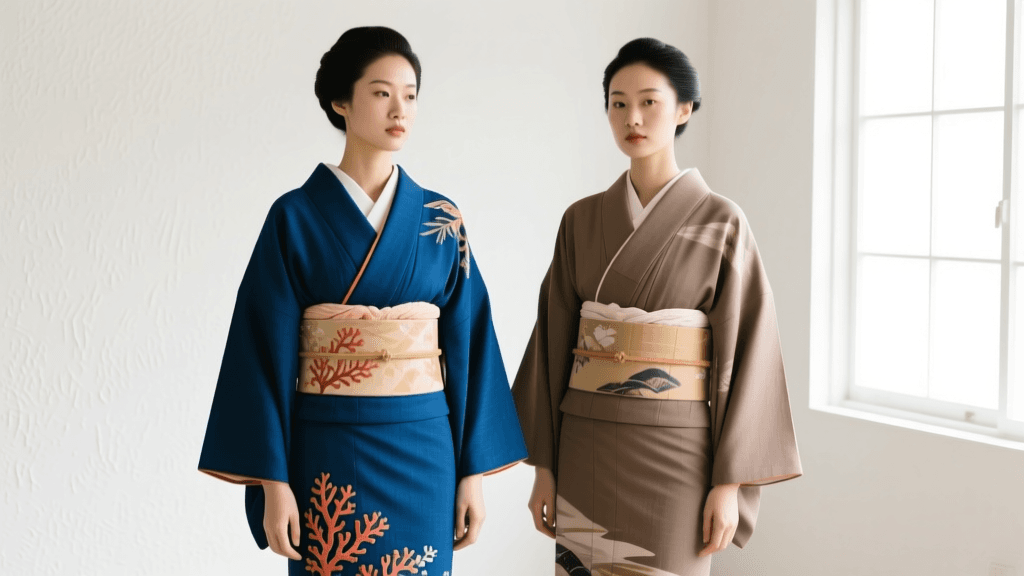
When discussing traditional Japanese clothing, the mainland kimono immediately dominates the conversation. However, the southernmost prefecture of Okinawa boasts a profoundly distinct sartorial heritage known as the Ryusou. To understand the Ryusou, one must look at the region's history. For over 450 years, the Ryukyu Kingdom (1429–1879) operated as an independent, sovereign trading hub. Its strategic maritime position facilitated robust cultural and economic exchanges with Ming Dynasty China, Southeast Asia, and the Korean Peninsula. According to the Okinawa Prefectural Museum, this unique geopolitical stance allowed Ryukyuan textiles and garment structures to evolve independently of the strict sumptuary laws and Edo-period aesthetics that shaped the mainland Japanese kimono. The result is a garment tradition that perfectly marries subtropical necessity with cosmopolitan elegance.
Anatomy of the Ryusou: Structural Differences
The mainland kimono is renowned for its structured, layered, and often restrictive silhouette, designed to cultivate a cylindrical posture. The Ryusou, by contrast, is engineered for the humid, subtropical climate of the Ryukyu archipelago. The foundational outer garment is the Ushinchi, a wide-sleeved robe that drapes loosely over the body. Unlike the mainland kimono, which features tubular sleeves with small openings (the sodeguchi), the Ushinchi boasts massively wide, open sleeves that allow for maximum air circulation and ease of movement. Beneath the Ushinchi, wearers don a Kashimaya, a lightweight, unlined under-robe. The ensemble is secured not by the stiff, heavily padded mainland obi, but by the Uchinaru—a softer, narrower sash typically tied in a simple knot at the front or side, reflecting Chinese and Southeast Asian influences rather than the elaborate back-bows of Kyoto or Tokyo.
Comparison Chart: Ryusou vs. Mainland Kimono
| Feature | Ryukyuan Ryusou (Okinawa) | Mainland Kimono (Kyoto/Tokyo) |
|---|---|---|
| Primary Climate | Subtropical (Hot, Humid) | Temperate (Four Distinct Seasons) |
| Sleeve Structure | Extremely wide, open, and unattached at the bodice | Tubular, narrow openings, attached to the bodice |
| Fastening / Sash | Uchinaru (Soft, narrow, tied at front/side) | Obi (Stiff, wide, heavily padded, tied at back) |
| Collar Style | Deep V-neck, relaxed overlap | Strict, tight overlap at the nape (eri) |
| Primary Textiles | Bingata (Resist-dyed), Bashofu (Banana fiber) | Nishijin-ori (Brocade), Yuzen (Silk dyeing) |
Textile Mastery: Bingata and Bashofu
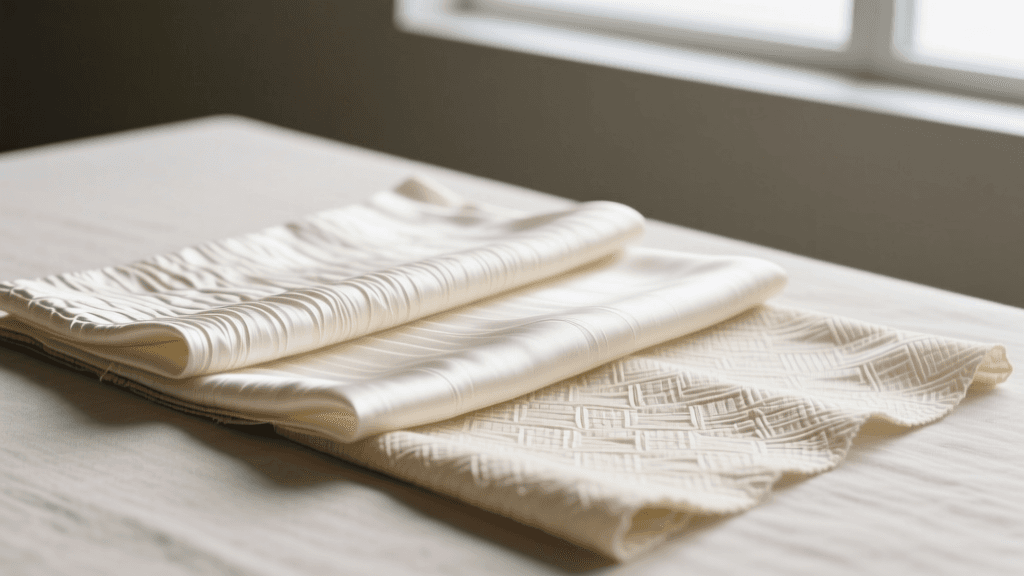
The soul of the Ryusou lies in its textiles, which are globally recognized for their craftsmanship. The most iconic is Bingata, a vibrant resist-dyeing technique historically reserved for Ryukyuan royalty and aristocrats. Artisans use intricate paper stencils (katagami) and a soybean-based resist paste to stamp bold motifs—such as peonies, dragons, and ocean waves—onto silk or cotton. The Kogei Japan database, maintained by the Japanese Ministry of Economy, Trade and Industry, highlights Bingata as a premier traditional craft, noting its unique use of vivid vermilion, indigo, and yellow pigments that mirror the Okinawan landscape. For everyday wear and summer garments, Okinawans historically relied on Bashofu, a remarkably lightweight and breathable cloth woven from the fibers of the Japanese fiber banana (Musa basjoo). The meticulous process of splitting, boiling, and hand-weaving these fibers results in a fabric that feels like crisp linen but is entirely indigenous to the islands.
Practical Guide: Renting, Buying, and Tailoring in Okinawa
For enthusiasts and travelers looking to acquire or experience a Ryusou, Okinawa offers a variety of avenues ranging from accessible rentals to bespoke artisan commissions. The bustling Kokusai Dori (International Street) in Naha and the historic Tsuboya pottery district are excellent starting points for finding garment shops and rental boutiques.
Average Costs and Product Tiers
- Tourist Rentals (Bashofu-style Cotton Yukata): 3,000 to 5,000 JPY per day. These are often simplified, free-size garments meant for casual sightseeing.
- Authentic Ryusou Rental (Silk Bingata): 8,000 to 15,000 JPY per day, usually including hair styling and traditional Okinawan sandals.
- Custom Bingata Ushinchi (Silk): 350,000 to 800,000+ JPY. Commissioning a genuine, hand-stenciled Bingata silk robe from a certified artisan in Naha or Ginowan takes anywhere from 3 to 6 months.
- Vintage Bashofu Yardage: Authentic pre-war Bashofu is exceedingly rare and can cost upwards of 200,000 JPY for a single bolt (tan) at antique textile fairs.
Key Measurements and Tailoring Specifics
Unlike the mainland kimono, which requires rigorous adherence to the mitake (back length) to ensure the hem falls exactly at the ankle, the Ryusou is far more forgiving. The wide, flowing nature of the Ushinchi means that many rental and off-the-rack garments are free-size. However, if you are commissioning a bespoke piece, the tailor will focus heavily on the yuki (sleeve length, measured from the center of the back neck to the wrist). For a traditional Ryusou, the yuki is often extended slightly beyond the mainland standard to enhance the dramatic, wing-like drape of the sleeves. A standard women's yuki for Ryusou ranges between 62cm and 68cm, depending on the wearer's height and desired volume.
Seasonal Timing and Cultural Events
Timing your visit to Okinawa can drastically enhance your garment experience. The Visit Okinawa tourism board highly recommends aligning your trip with major cultural festivals where the Ryusou is worn with profound pride. The Shuri Castle Festival, typically held in late October or early November, features a massive royal parade where locals don historically accurate, high-ranking Bingata Ryusou to recreate the investiture ceremonies of the Ryukyuan kings. This cooler, drier autumn window is also the most comfortable time to wear layered silk garments in the subtropics. Alternatively, the Naha Haarii dragon boat races in early May offer a chance to see lighter, cotton Bashofu-style garments worn during the humid onset of the rainy season.
Styling and Contemporary Relevance
Today, the Ryusou is experiencing a renaissance. While mainland kimono wearing often requires the assistance of a professional dresser (kitsuke), the Ryusou's front-tied Uchinaru and relaxed collar make it highly accessible for self-dressing. Contemporary Okinawan designers are also blending Ryusou elements with modern fashion, creating haori-style jackets featuring Bingata motifs that can be worn over jeans or western dresses. Footwear also differs; while mainland kimono are paired with zori and tabi socks, the traditional Ryusou is often worn with bare feet in indoor tatami settings, or with achiidaa (traditional Okinawan leather sandals) for outdoor processions. Whether you are a textile collector seeking a rare Bashofu weave, or a traveler wanting to walk the streets of Naha in a vibrant Bingata robe, understanding the regional distinctions of the Ryusou offers a profound glimpse into the diverse, multi-cultural tapestry of Asian garment traditions.