Peking Opera Costumes: Sourcing Jingju Festival Garments
The Visual Language of Jingju: Understanding Xingtou
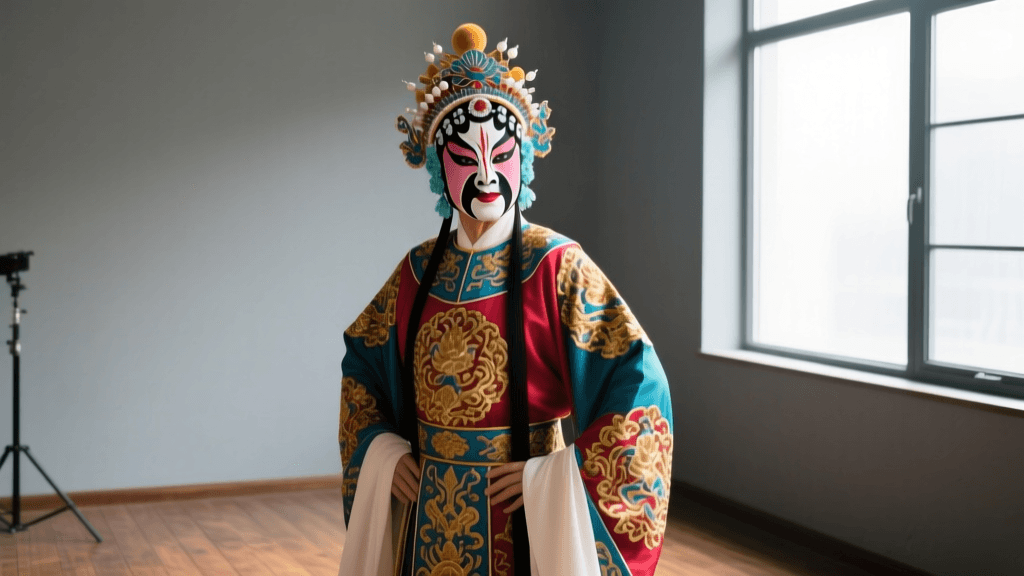
Peking Opera, known in Chinese as Jingju, is a spectacular synthesis of music, vocal performance, mime, dance, and acrobatics. Recognized as an Intangible Cultural Heritage of Humanity by UNESCO, this art form relies heavily on its visual storytelling. At the heart of this visual language is the traditional wardrobe, collectively known as Xingtou. Unlike historical Hanfu or everyday traditional Chinese clothing, Peking Opera costumes are highly stylized, exaggerated, and symbolic, designed to be visible from the back rows of grand theaters and to instantly communicate a character's social status, personality, and emotional state to the audience.
For cultural festivals, heritage parades, and amateur theatrical performances, donning authentic Xingtou is a profound way to engage with Chinese traditions. However, sourcing, fitting, and maintaining these intricate garments requires specialized knowledge. According to Encyclopedia Britannica, the costumes are not meant to reflect any single historical dynasty but are instead a romanticized amalgamation of Ming and Qing dynasty aesthetics, elevated by theatrical necessity.
The Core Garments: Mang, Kao, Xuezi, and Pei
The Xingtou wardrobe is vast, but it is built upon a foundation of core garments that define the primary archetypes of the stage. Understanding these is crucial when selecting a costume for a festival or performance.
1. Mang (The Python Robe)
The Mang is the ultimate symbol of imperial and high-ranking official authority. Worn by emperors, queens, and top-tier generals, this ankle-length robe features a round collar, wide sleeves, and iconic 'water sleeves' (shuixiu) made of flowing white silk. The robe is heavily embroidered with python motifs (four-clawed dragons), clouds, and waves. The color of the Mang strictly denotes rank: bright yellow is reserved exclusively for the emperor, while red, green, and black are worn by high officials based on their character traits.
2. Kao (The Armor)
The Kao is the ceremonial armor worn by military generals and warriors. It is a highly complex, multi-piece garment consisting of a front and back panel, shoulder pads, and leg guards. The most striking feature of the Kao is the kaoqi—four triangular flags attached to the back, which represent the general's command over troops and add a dynamic, sweeping motion during acrobatic fight scenes. The armor is heavily padded to give the wearer a heroic, broad-shouldered silhouette.
3. Xuezi (The Informal Robe)
The Xuezi is the most common and versatile garment in the opera wardrobe. It is a cross-collared, side-slit robe worn by scholars, commoners, and officials in informal settings. While it may look simpler than the Mang, the Xuezi relies on subtle color coding and embroidery (such as plum blossoms, bamboo, or cranes) to indicate the wearer's age, gender, and moral alignment. Black Xuezi with minimal embroidery often denote poverty or extreme humility.
4. Pei (The Outer Robe)
Often worn by noblewomen or high-ranking men in domestic settings, the Pei is a front-opening, knee-to-ankle length robe with a standing collar and side slits. For female roles (Dan), the Pei is exquisitely embroidered with phoenixes, peonies, and butterflies, serving as a canvas for the finest silkwork.
Garment Comparison Chart for Festival Selection
When selecting a costume for a cultural festival, consider the mobility required and the character you wish to portray. The following table breaks down the practical aspects of the main garments.
| Garment Type | Role Archetype | Key Features | Festival Suitability & Mobility |
|---|---|---|---|
| Mang (Python Robe) | Emperors, High Officials | Round collar, water sleeves, python embroidery | Moderate. Heavy and requires practice to manage water sleeves gracefully in crowds. |
| Kao (Armor) | Generals, Warriors | Padded panels, back flags, tiger-head motifs | Low. Very heavy and wide; back flags make navigating dense festival crowds difficult. |
| Xuezi (Informal Robe) | Scholars, Commoners | Cross-collar, side slits, subtle embroidery | High. Lightweight, easy to walk in, and highly breathable for outdoor summer festivals. |
| Pei (Outer Robe) | Noblewomen, Aristocrats | Front-opening, standing collar, floral motifs | High. Elegant and relatively easy to wear; pairs beautifully with elaborate hairpieces. |
Sourcing and Acquiring Costumes: A Practical Guide
Acquiring Xingtou for modern use ranges from renting theatrical-grade pieces to purchasing mass-produced festival wear or commissioning bespoke silk masterpieces. Cultural experts at China Highlights note that authentic opera garments are considered wearable art, often taking months to complete by master embroiderers.
Where to Source
- Authentic Theatrical Rentals (Beijing & Shanghai): If you are located in China or have a proxy, the Liulichang cultural street in Beijing houses several theatrical troupes and tailors that rent professional-grade Xingtou. This is the best option for high-quality photography or stage performances.
- Suzhou Silk Embroidery Tailors: Suzhou is the historic center of Chinese silk embroidery. Commissioning a custom Mang or Pei from a Suzhou-based tailor ensures museum-quality Su embroidery, real gold thread couching, and heavy silk brocade.
- Online Marketplaces (Taobao, AliExpress, Etsy): For amateur festival-goers, online platforms offer 'festival-grade' costumes. These are typically made from polyester blends with machine embroidery. While they lack the drape and luster of real silk, they are vibrant, durable, and budget-friendly.
Cost Breakdown and Timing
- Mass-Produced Festival Grade: $80 to $250 USD. Made from synthetic blends. Timing: Ships in 1 to 2 weeks.
- Rental (Professional Grade): $50 to $150 USD per day, plus a hefty refundable deposit. Timing: Reserve at least 3 weeks in advance.
- Custom Silk & Hand-Embroidered: $1,500 to $5,000+ USD. Timing: Requires 8 to 16 weeks for weaving, embroidery, and assembly.
Measurements and Fitting for the Stage
Traditional Chinese opera costumes are designed to be highly adjustable, utilizing internal ties rather than zippers or buttons. However, specific measurements are vital for a proper fit, especially regarding sleeve length and padding.
Essential Measurements
- Chest and Waist: Measured at the widest points. Since Xingtou wrap and tie, a 2-inch tolerance is acceptable.
- Shoulder Width: Crucial for the Kao (armor) to ensure the tiger-head shoulder pads sit correctly without drooping.
- Water Sleeve Length: For the Mang and Xuezi, measure from the shoulder seam down to the floor, then add 12 to 18 inches. The white silk shuixiu extension must graze the floor when the arm is relaxed to allow for proper flicking and folding techniques.
- Inseam and Boot Height: Male roles often wear hou-di-xue (thick-soled boots) which add 2 to 4 inches of height. You must measure your inseam while wearing these boots to ensure the robe's hem clears the ground by exactly one inch, preventing tripping during dynamic festival movements.
Color Symbolism and Embroidery Motifs
When selecting a garment, one must respect the traditional color coding. Choosing the wrong color can inadvertently communicate the wrong character archetype to those familiar with the art form.
- Yellow: Imperial power, the emperor, and divine authority.
- Red: Loyalty, bravery, and uprightness (often worn by the beloved General Guan Yu).
- Black: Fierceness, integrity, and impartiality (worn by judges and fierce warriors like Bao Zheng).
- White: Treachery, cunning, or sometimes mourning and extreme old age.
- Green: Chivalry, wildness, or outlaw status (often worn by forest bandits or martial spirits).
The embroidery motifs are equally symbolic. Bats represent good fortune (as the word for bat, fu, sounds like the word for blessing), while cranes signify longevity. Peonies denote wealth and honor, making them the standard choice for noble female roles.
Accessories: Completing the Festival Look
A Xingtou garment is incomplete without its accompanying accessories. The headwear, in particular, is categorized into four types: Guan (crowns for royalty), Kui (helmets for warriors), Mao (hats for officials), and Jin (caps for commoners).
For female roles, the Fengguan (Phoenix Crown) is a breathtaking masterpiece of kingfisher feather art (now replicated with dyed silk and ribbon), pearls, and trembling pom-poms. When wearing a Fengguan to a festival, it is highly recommended to use a traditional fabric headband underneath to absorb sweat and provide grip, securing the heavy crown with steel hairpins rather than modern elastic, which can snap under the weight.
Care, Storage, and Transport
Opera costumes require meticulous care, particularly if they feature genuine silk and metallic thread.
- Never Hang Heavy Garments: The weight of the embroidery on a Mang or the padding of a Kao will stretch and distort the fabric if hung on a standard hanger. Always store them flat.
- Folding Techniques: Fold the garments along the seam lines, placing acid-free tissue paper between the layers to prevent the metallic threads from snagging the silk. The water sleeves must be carefully pleated and tied with a silk ribbon before folding.
- Moisture Control: Silk is highly susceptible to mildew. Store costumes in breathable cotton garment bags with silica gel packets. Never store them in plastic, which traps humidity.
- Transporting to Festivals: Use a rigid, hard-shell suitcase for transport. If wearing Kao armor, the flags must be detached and stored in a separate cylindrical tube to prevent bending or snapping the bamboo spines.
Conclusion
Wearing Peking Opera costumes at cultural festivals is a vibrant celebration of Chinese theatrical history. By understanding the distinction between the Mang, Kao, Xuezi, and Pei, and by respecting the intricate rules of color and embroidery, participants can honor the legacy of Jingju. Whether you are renting a professional-grade robe for a stage performance or sourcing a festival-grade Xuezi for a heritage parade, proper measurement, careful handling, and a deep appreciation for the garment's symbolism will ensure a stunning and culturally respectful presentation.