Hanfu Destination Travel: Top Spots & Social Media Tips
The Rise of Hanfu Destination Tourism
The intersection of traditional Chinese clothing and modern travel has birthed a massive cultural phenomenon known as the 'Guochao' (national trend) movement. For content creators, travel bloggers, and cultural enthusiasts, traveling across China in Hanfu is no longer just a niche hobby; it is a highly sought-after aesthetic experience that dominates platforms like Douyin, TikTok, Instagram, and Xiaohongshu. Destination tourism centered around Hanfu allows travelers to step back in time, transforming historical landmarks into living, breathing film sets. However, capturing the perfect viral shot requires more than just putting on a beautiful garment. It demands an understanding of regional history, fabric dynamics, optimal lighting, and the logistics of traveling with elaborate traditional wear.
Top 3 Hanfu Travel Destinations for Viral Content
Choosing the right destination is critical for matching your garment's historical era with the appropriate architectural backdrop. Here are the premier locations for Hanfu content creation.
1. Xi'an: The Tang Dynasty Dream
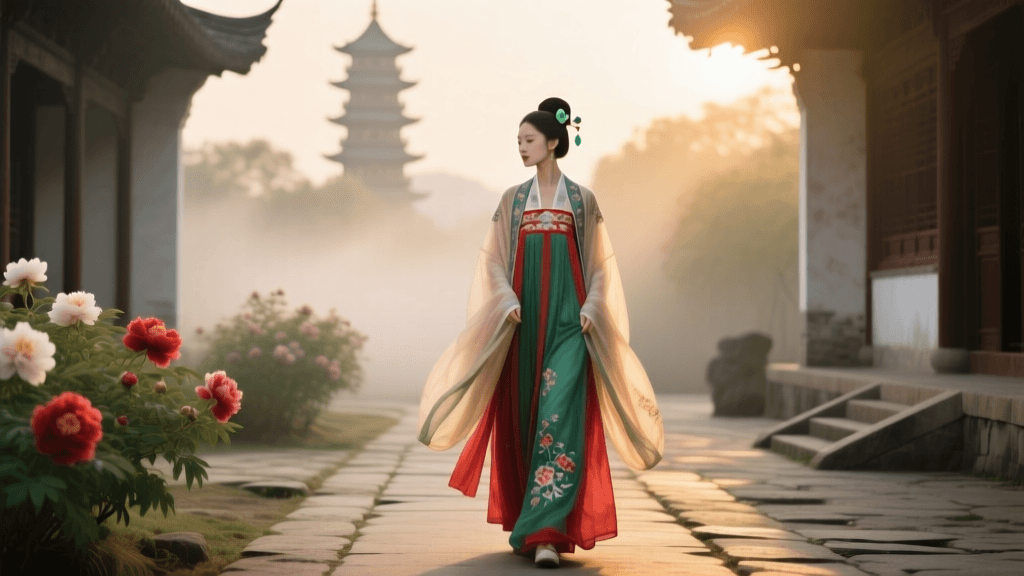
As the ancient capital of Chang'an, Xi'an is the undisputed king of Tang Dynasty (618–907 AD) aesthetics. The city's grand, imposing architecture perfectly complements the opulent, vibrant, and bold styles of Tang-era Hanfu, such as the Qixiong Ruqun (chest-high skirt) and Yuanlingpao (round-collar robe). For content creators, the Xi'an City Wall offers sweeping, cinematic drone-shot opportunities, while the Tang Paradise theme park provides meticulously curated night-time lighting with thousands of lanterns. The best time to shoot at Tang Paradise is during the 'blue hour' just after sunset, when the sky contrasts beautifully with the warm, glowing lanterns, creating a magical, ethereal atmosphere for slow-motion video transitions.
2. Hangzhou: Song Dynasty Elegance at West Lake
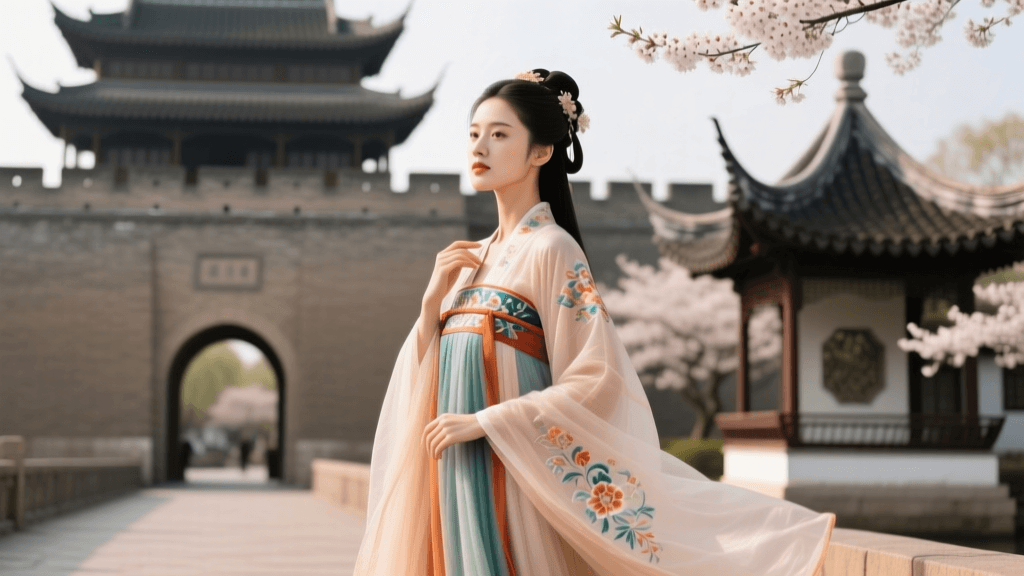
If your content leans towards minimalism, scholarly elegance, and natural beauty, Hangzhou is your ultimate destination. The Song Dynasty (960–1279 AD) favored slender silhouettes, muted colors, and understated luxury, perfectly embodied by the Beizi (long, open-front overcoat) and pleated skirts. Hangzhou's West Lake, a UNESCO World Heritage site, provides a breathtaking backdrop of weeping willows, misty waters, and ancient stone bridges. For social media creators, the Su Causeway in the early morning mist offers a moody, cinematic aesthetic that performs exceptionally well on visual platforms like Instagram. The gentle breeze off the lake is perfect for capturing the subtle, flowing movements of lightweight silk and linen garments.
3. Luoyang: Ancient Capitals and Grottoes
Luoyang, one of the Four Great Ancient Capitals of China, has recently exploded in popularity as a Hanfu-friendly city. The local government actively encourages Hanfu tourism, offering free or discounted entry to major attractions for visitors in full traditional attire. The Longmen Grottoes, another spectacular UNESCO World Heritage site, feature tens of thousands of Buddhist statues carved into limestone cliffs. Shooting Hanfu content here, particularly Wei-Jin era wide-sleeved robes or early Tang styles, provides a profound sense of historical scale and spiritual depth. The Luoyi Ancient City district at night is also a hub for street-style photography, where creators can capture dynamic, neon-lit 'cyberpunk meets ancient China' transitions.
Destination & Styling Comparison Chart
| Destination | Best Hanfu Era | Ideal Garment Style | Peak Shooting Time | Est. Rental Cost (RMB) |
|---|---|---|---|---|
| Xi'an | Tang Dynasty | Qixiong Ruqun, Round-Collar Robe | 6:00 PM - 8:30 PM (Night) | 198 - 398 |
| Hangzhou | Song Dynasty | Beizi, Pleated Skirts, Moxiong | 6:00 AM - 8:30 AM (Mist) | 150 - 298 |
| Luoyang | Wei-Jin / Early Tang | Wide-Sleeve Ruqun, Aoqun | 4:00 PM - 6:00 PM (Golden) | 128 - 258 |
Social Media Playbook: Shooting Hanfu Content
Creating viral Hanfu content requires mastering the physics of traditional fabrics and understanding platform-specific algorithms. Here is a practical guide to elevating your travel videography and photography.
Mastering Fabric Dynamics and Measurements
When renting or buying Hanfu for travel, pay close attention to the skirt hem measurement, known as 'bai' (摆). A standard 3-meter hem is suitable for walking and casual photos, but for Douyin and TikTok twirl transitions, you must request a 6-meter or even 9-meter hem. The extra fabric creates a massive, flower-like bloom when spinning, which looks incredible in slow motion. Pair this with a 'Pibo' (a long, flowing silk scarf draped over the arms) to add horizontal movement and depth to your frame.
Camera Settings and Frame Rates
For video content, always shoot in 4K at 60 frames per second (fps). Traditional Hanfu is defined by its flowing sleeves and skirts. Shooting at 60fps allows you to slow the footage down to 24fps in post-production, creating a buttery smooth, dreamlike slow-motion effect that emphasizes the grace of the garments. Use a gimbal for tracking shots, walking backward as your subject walks forward, allowing the wide sleeves to billow naturally behind them.
Props and Environmental Interaction
Never shoot empty-handed. Traditional props ground your subject in the historical context and give the hands something natural to do. Essential travel props include:
- Oiled Paper Umbrellas: Perfect for Hangzhou and rainy day shoots in Jiangnan water towns.
- Folding Fans: Ideal for sharp, rhythmic movements and popular 'fan-drop' transition trends on TikTok.
- Lanterns: Mandatory for night shoots in Xi'an and Luoyang to provide a warm, practical light source that illuminates the face.
Renting vs. Packing: A Practical Travel Guide
One of the biggest logistical hurdles for Hanfu destination travel is deciding whether to pack your own garments or rent locally. For international travelers or those on multi-city tours, renting is almost always the superior choice.
The Local Rental Experience
In cities like Xi'an and Luoyang, Hanfu rental shops are ubiquitous, often clustered near major tourist gates. A standard rental package (typically 198 to 398 RMB, or roughly $30 to $55 USD) includes a 24-hour garment rental, professional historical makeup, and intricate hair styling with ornate accessories. This is a massive advantage, as traditional Hanfu hairstyling requires specialized skills, padding, and heavy hairpins that are nearly impossible to do yourself in a hotel room. Furthermore, high-quality Hanfu sets, especially those with intricate embroidery and heavy brocade, are bulky and wrinkle easily, making them a nightmare to pack in standard carry-on luggage.
Packing Your Own: When and How
If you prefer to bring your own collection, focus on 'daily-style' Hanfu (Hanfu daily) or Song Dynasty garments, which use narrower sleeves and lighter, wrinkle-resistant fabrics like cotton-linen blends or polyester-silk. Use vacuum compression bags to save space, and bring a portable handheld steamer, as crisp pleats and smooth collars are essential for high-quality close-up photography.
Understanding the Textiles You Wear
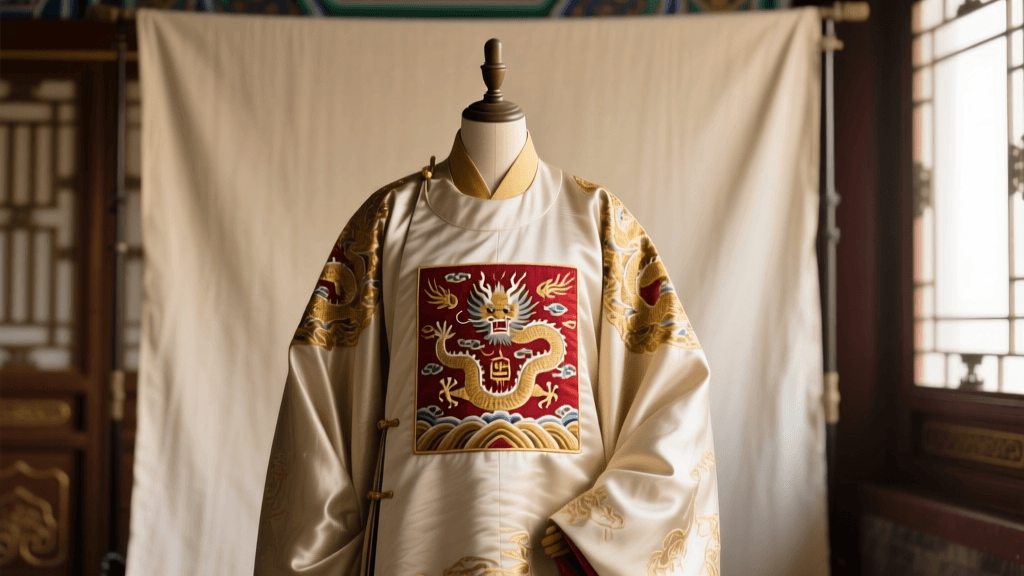
To create truly authentic and respectful content, creators should understand the material history of their garments. The story of Chinese traditional clothing is inextricably linked to the history of sericulture. As noted by the Metropolitan Museum of Art's Heilbrunn Timeline of Art History, silk production in China dates back thousands of years, evolving from a closely guarded state secret to a foundational pillar of global trade via the Silk Road. When you wear a Tang Dynasty replica woven with jacquard silk or adorned with metallic thread embroidery, you are participating in a textile lineage that shaped global economies. Taking a moment in your captions or voiceovers to educate your audience about the weaving techniques, such as 'Kesi' (cut silk tapestry) or 'Yunjin' (cloud brocade), adds immense cultural value to your content and fosters a deeper appreciation among your followers.
Conclusion
Hanfu destination tourism is more than a fleeting social media trend; it is a vibrant, community-driven revival of Asian heritage. By carefully selecting your destination, understanding the historical context of your garments, and employing strategic videography techniques, you can create breathtaking content that honors the past while captivating modern audiences. Whether you are capturing the misty dawn at Hangzhou's West Lake or the neon-lit nights of Luoyang, the key to viral success lies in the seamless blend of cultural authenticity and technical precision.