Hanfu Tourism: Destination Photoshoots & Social Media Styling
The Rise of Hanfu Destination Tourism
The intersection of traditional Chinese clothing and modern travel has birthed a vibrant cultural phenomenon. No longer confined to niche hobbyist circles or historical reenactments, Hanfu has become a cornerstone of domestic and international tourism in China. According to insights on cultural heritage travel from UN Tourism (UNWTO), immersive cultural experiences are driving modern travel trends, and dressing in historical garments allows travelers to physically step into the narratives of ancient cities. For content creators on platforms like Douyin, TikTok, and Instagram, destination Hanfu photoshoots offer a visually stunning way to merge fashion, history, and travel vlogging. This guide will walk you through the logistics, styling, and content strategies needed to capture the perfect Hanfu travel aesthetic.
Top Destinations for Hanfu Social Media Content
Choosing the right backdrop is crucial for your social media narrative. Different cities in China boast distinct architectural styles that pair best with specific historical dynasties and garment silhouettes.
Xi'an: The Tang Dynasty Spectacle
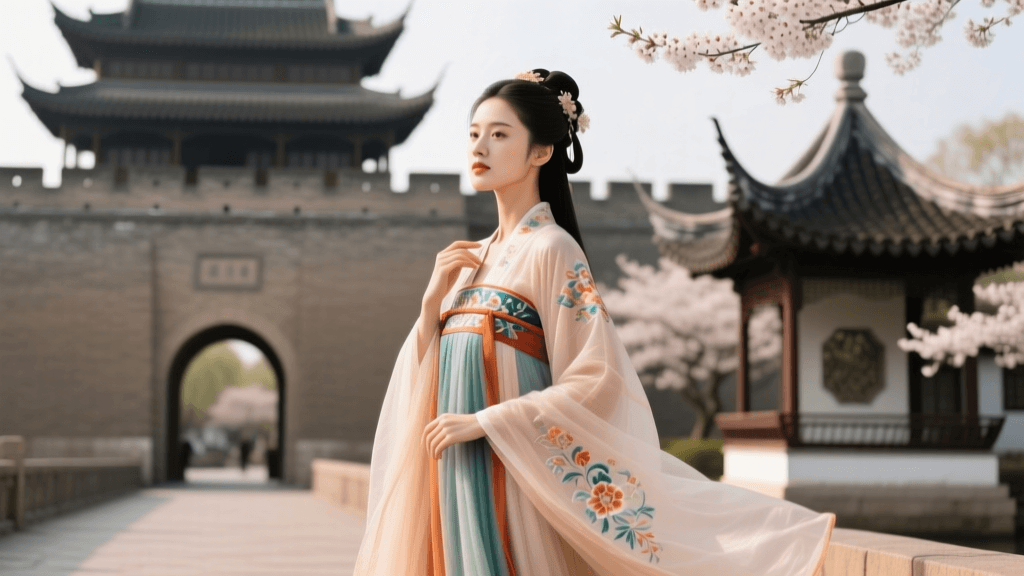
Xi'an, the ancient capital of Chang'an, is the undisputed mecca for Tang Dynasty Hanfu. The Datang Everbright City (Da Tang Bu Ye Cheng) is a sprawling pedestrian district designed to replicate the bustling markets of the 8th century. For content creators, this location is a goldmine. The towering pavilions, warm lantern lighting, and constant flow of performers make it ideal for cinematic, slow-motion video transitions. The South China Morning Post frequently highlights Xi'an as the epicenter of the Hanfu revival movement, noting how the local government actively encourages tourists to wear traditional garments by offering discounts at historical sites.
Hangzhou: Song Dynasty Elegance
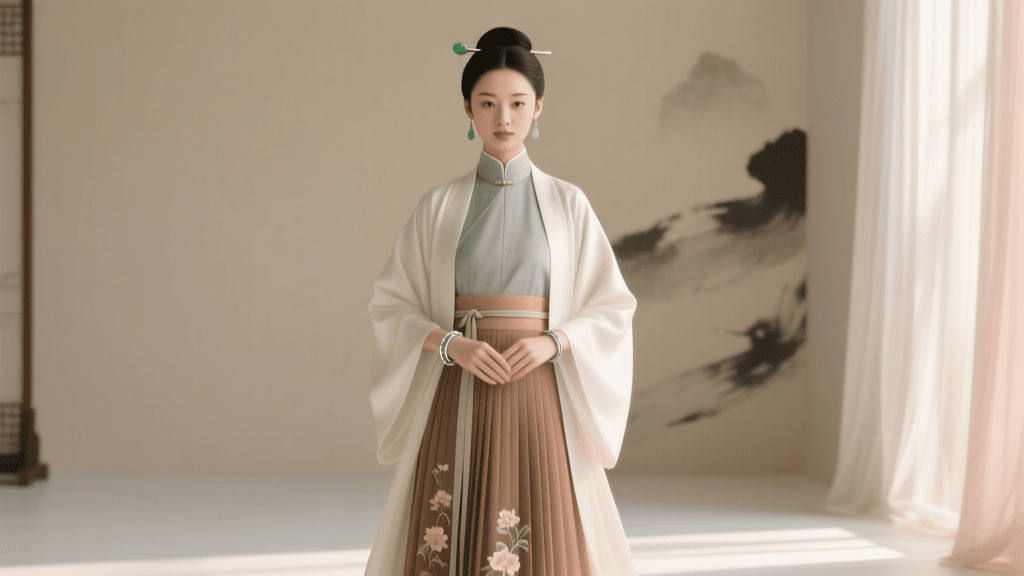
For a more subdued, scholarly, and elegant aesthetic, Hangzhou's West Lake and its surrounding tea plantations are unparalleled. This environment calls for Song Dynasty Hanfu, characterized by narrow sleeves, pleated skirts, and the iconic Beizi (a long, open-front jacket). The misty mornings over the lake provide a natural diffuser for photography, perfect for capturing the understated grace of Song-era textiles. Content focusing on traditional tea ceremonies, poetry reading, and quiet reflection performs exceptionally well here.
Luoyang: Wei-Jin and Early Tang Grandeur
Luoyang offers a rugged, ancient backdrop with sites like the Longmen Grottoes and the ruins of the Sui-Tang Luoyang City National Heritage Park. The aesthetic here leans towards the ethereal, flowing garments of the Wei-Jin period or the structured, regal silhouettes of early Tang. The dramatic stone carvings and expansive palace ruins provide a high-contrast background that makes rich, jewel-toned Hanfu pop on camera.
Suzhou: Ming Dynasty Garden Chic
Suzhou's classical gardens, such as the Humble Administrator's Garden, are masterclasses in spatial design. The white-washed walls, dark wooden lattices, and intricate rockeries are the perfect canvas for Ming Dynasty Hanfu, particularly the Mamian Qun (horse-face skirt) and the Aoqun (jacket and skirt combination). The interplay of light and shadow in the gardens allows for striking editorial-style portraits that highlight the intricate embroidery and woven patterns of Ming textiles, a craft beautifully preserved and documented by institutions like the Victoria and Albert Museum.
Choosing the Right Hanfu for Travel and Photography
Matching your garment to your destination not only ensures historical cohesion but also dictates the comfort and practicality of your shoot. Below is a strategic comparison chart to help you plan your wardrobe.
| Hanfu Style | Best Destination | Ideal Fabric | Social Media Vibe |
|---|---|---|---|
| Tang Qixiong Ruqun | Xi'an (Datang Everbright City) | Lightweight Chiffon, Silk | Opulent, vibrant, slow-motion twirls |
| Song Beizi & Pleated Skirt | Hangzhou (West Lake) | Linen, Cotton, Ramie | Minimalist, elegant, scholarly aesthetic |
| Ming Mamian Qun | Suzhou Gardens or Beijing | Brocade, Woven Jacquard | Regal, structured, high-fashion editorial |
| Wei-Jin Cross-Collar | Luoyang or Mountain Temples | Bamboo fiber, Gauze | Ethereal, martial arts, flowing sleeves |
Fabric Choices and Travel Hacks
When packing for a Hanfu destination trip, fabric weight and skirt measurements are critical. Avoid heavy, multi-layered brocades if you are traveling during the summer months or plan on walking more than two miles a day. Instead, opt for modern blends like chiffon, lightweight linen, or bamboo-cotton mixes that drape beautifully on camera but resist deep wrinkling in a suitcase.
For skirt lengths, standard Hanfu skirts are designed to graze the floor. However, for destination tourism, order your skirts 3 to 5 centimeters shorter than your exact floor length. This prevents the hem from dragging through mud, puddles, or dusty cobblestones, preserving the garment and keeping your feet hidden while allowing for easier movement. If you are renting on-site, bring a pair of hidden platform shoes to adjust the hemline dynamically.
Sleeve width is another major consideration. While wide sleeves (guangxiu) look magnificent in photos, they are a nightmare for eating street food or navigating crowded tourist alleys. A popular hack among Hanfu influencers is to pack two sets: a narrow-sleeve (zhaiyou) set for daytime exploring and transit, and a wide-sleeve set reserved exclusively for the golden hour photoshoot.
Social Media Content Strategy and Posing
Capturing the essence of Hanfu requires understanding the unique visual language of platforms like Douyin, TikTok, and Instagram. The fabric of Hanfu is designed to be in motion; static poses often fail to capture the garment's true beauty.
Trending Video Concepts
- The Sleeve Flip (Fanxiu): A staple on Douyin. Start with your back to the camera, then whip around, using the momentum to flare your wide sleeves outward. Shoot this in slow motion (60fps or 120fps) to capture the fabric catching the wind.
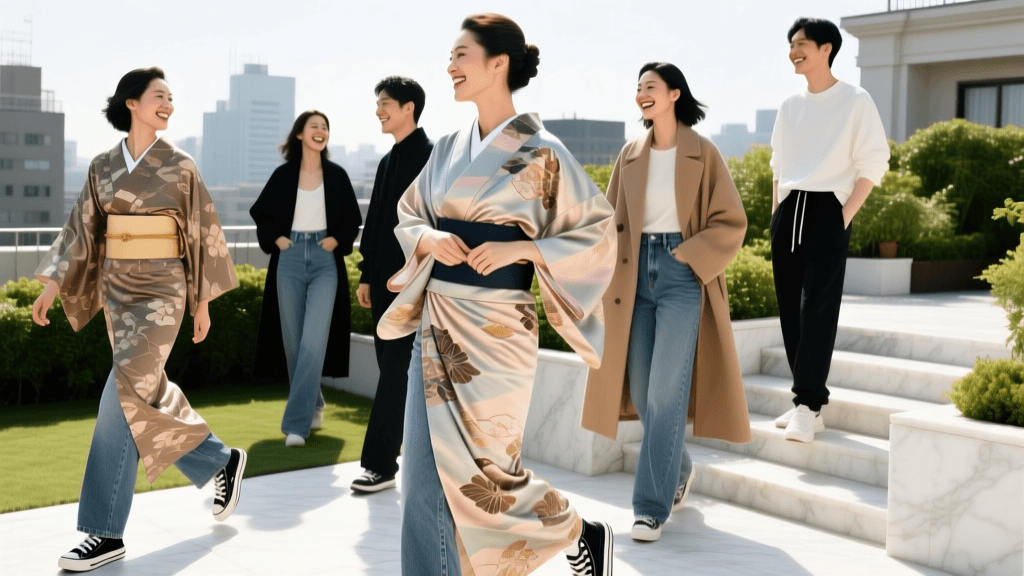
- The Architectural Reveal: Use a physical transition. Start the video looking at a blank white wall or a wooden pillar in your modern travel clothes. Step behind it, and emerge on the other side in full Hanfu makeup and attire, walking confidently toward the lens.
- The Detail Pan: For Instagram Reels, pair macro-lens shots of your jade hairpins, embroidered collars, and woven skirt patterns with a trending, bass-heavy traditional instrumental track (like a modern remix of the Guzheng).
Photography Posing Tips
When shooting stills, avoid stiff, straight-on poses. Hanfu silhouettes are best captured in profile or three-quarter angles to show the layering of the collars (the traditional left-over-right crossing). Utilize the environment: lean against garden lattice windows, sit on stone benches while adjusting your skirt pleats, or look over your shoulder while holding a traditional oil-paper umbrella. Always ensure your posture reflects historical etiquette—keep your shoulders relaxed, hands gently clasped or holding a prop like a folding fan, and avoid wide, aggressive stances unless you are specifically portraying a martial arts (wuxia) theme.
Budgeting Your Hanfu Photoshoot Trip
Planning a Hanfu tourism experience requires budgeting for both the garments and the production value of your content. Here is a breakdown of average costs you can expect in major tourist hubs like Xi'an or Hangzhou (prices estimated in USD for international travelers):
- Hanfu Rental (12-24 hours): $20 to $45. Rental shops near major sites offer complete sets, including undergarments and outer layers.
- Professional Makeup and Hair Styling: $15 to $35. Do not skip this step. Traditional Hanfu hairstyles require specialized techniques, padding, and ornate hairpins that are difficult to achieve on your own in a hotel room.
- Professional Photographer (1-2 hours): $60 to $120. Many local studios offer follow-shoot (genpai) services where a photographer will trail you through the scenic area, providing edited, color-graded digital files within 48 hours.
- Purchasing Entry-Level Hanfu: $30 to $70. If you prefer to own your garments, brands like Shisan Yu and Zhongze offer high-quality, machine-washable entry-level sets that are perfect for travel.
Conclusion
Hanfu destination tourism is more than just a photo opportunity; it is a profound way to engage with Asian traditions, textile history, and architectural heritage. By carefully selecting your destination, prioritizing travel-friendly fabrics, and mastering the dynamic movements required for social media content, you can create a digital portfolio that honors the past while captivating modern audiences. Whether you are wandering the lantern-lit streets of Xi'an or reflecting by the misty waters of Hangzhou, the right Hanfu will transform your journey into a living, breathing work of art.