Ming Dynasty Hanfu Capsule Wardrobe: A Starter Guide
The Rise of the Daily Hanfu Capsule Wardrobe
The modern Hanfu movement has evolved far beyond occasional festival wear or historical reenactment. Today, enthusiasts and fashion-forward individuals are integrating traditional Chinese garments into their everyday lives. However, building a traditional wardrobe from scratch can be overwhelming and expensive. The solution? A Hanfu capsule wardrobe. By focusing on versatile, interchangeable pieces, you can create dozens of outfits from just a few core garments. Among the various historical periods, the Ming Dynasty (1368–1644) offers the most practical, structured, and modern-friendly silhouettes for a capsule collection.
Why Choose the Ming Dynasty for Your Capsule?
When curating a capsule wardrobe, structure and layering are paramount. Ming Dynasty clothing is renowned for its tailored fits, standing collars, and sophisticated pleating, which closely resemble modern sartorial concepts. Historical records and surviving artifacts, such as those analyzed by the Metropolitan Museum of Art, highlight the Ming era's mastery of complex silk weaves and structured garment-making. Furthermore, the strict social hierarchies and sumptuary laws of the time, as documented by Encyclopedia Britannica, heavily influenced the modest, layered, and highly dignified silhouettes that define Ming clothing. These historical characteristics translate beautifully into modern professional and casual settings, making Ming-style Hanfu the perfect anchor for a versatile wardrobe.
Core Components of a Ming Hanfu Capsule
A functional capsule wardrobe requires a balance of base layers, statement pieces, and transitional outerwear. Here are the essential items you need to build your Ming Dynasty collection.
1. The Anchor: Mamianqun (Horse-Face Skirt)
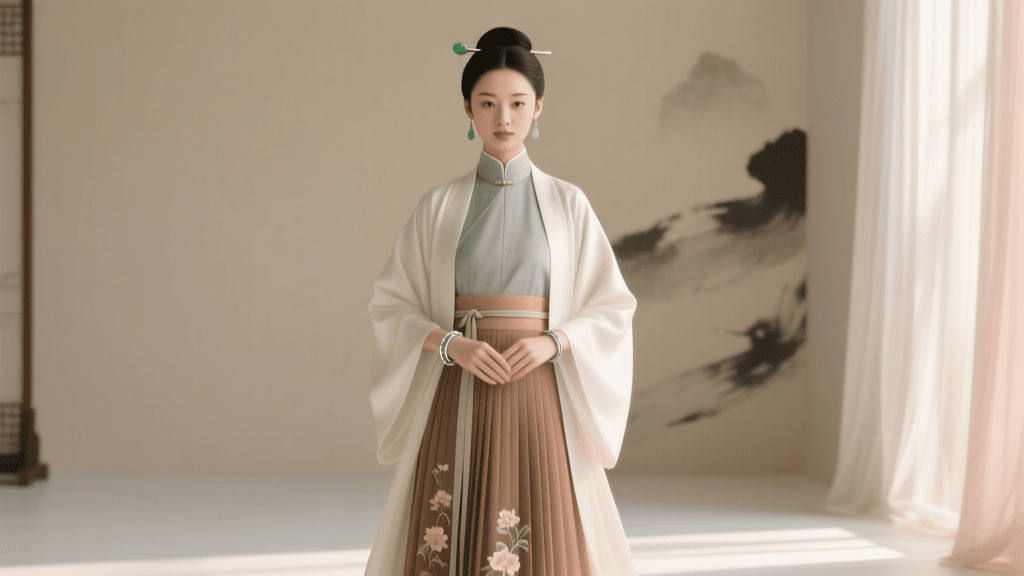
The Mamianqun is the undisputed centerpiece of any Ming-inspired wardrobe. Characterized by two flat, overlapping front and back panels (the 'horse faces') and heavily pleated sides, this skirt is a marvel of historical engineering. For a capsule wardrobe, invest in two skirts: one in a neutral, solid color (like navy, black, or cream) for daily wear, and one with a subtle woven brocade pattern for events. Modern reproductions often include hidden pockets and side zippers, though traditionalists may prefer the authentic tie-closure waistbands.
2. The Base: Ao (Jacket/Top)
The Ao is a lined or unlined jacket that serves as your primary top. For maximum versatility, acquire two distinct styles:
- Liling Ao (Standing Collar): Features a mandarin-style collar fastened with metal or jade Pankou (knotted buttons). This style pairs exceptionally well with modern trousers or acts as a sophisticated blouse under a blazer.
- Jiaoling Ao (Cross-Collar): The classic Y-shaped neckline. A short-sleeved or three-quarter-sleeved cross-collar top in breathable cotton or linen is perfect for summer layering.
3. The Layer: Pifeng (Cape/Cloak)
The Pifeng is an open-front outer garment that drapes elegantly over the shoulders. It functions similarly to a modern duster coat or longline cardigan. A lightweight, semi-sheer Pifeng made of silk organza or chiffon can elevate a simple skirt-and-top combination into a formal ensemble, while a heavier wool-blend Pifeng provides warmth during autumn and winter.
Capsule Wardrobe Breakdown & Investment Guide
Building this collection requires strategic budgeting. Below is a structured matrix to help you plan your purchases, focusing on cost-effective fabrics that mimic historical luxury without the prohibitive price tag of pure mulberry silk.
| Garment | Role in Capsule | Recommended Fabric | Est. Cost (USD) |
|---|---|---|---|
| Solid Mamianqun | Everyday Anchor | Cotton-Linen Blend / Polyester Crepe | $45 - $70 |
| Brocade Mamianqun | Statement / Formal | Jacquard Woven Poly-Silk | $80 - $130 |
| Liling Ao (Long Sleeve) | Professional / Modest Base | Bamboo Viscose / Light Wool | $40 - $65 |
| Jiaoling Ao (Short Sleeve) | Casual / Summer Layer | Pure Linen / Ramie | $35 - $50 |
| Pifeng (Outerwear) | Transitional Weather / Styling | Silk Organza / Chiffon | $50 - $90 |
Sizing and Measurement Guide
Unlike modern Western clothing, which relies heavily on bust and hip measurements, traditional Hanfu fitting prioritizes the shoulders, arm length, and natural waist. For modern enthusiasts studying historical textile preservation and garment construction, institutions like the Victoria and Albert Museum provide invaluable insights into the structural integrity and proportional rules of surviving Asian garments. To ensure your capsule fits perfectly, follow these measurement guidelines:
- Shoulder Width: Measure from the edge of one acromion bone to the other across the back. Hanfu shoulder seams should sit precisely on this bone or drop slightly for a relaxed historical fit.
- Sleeve Length: Ming sleeves often extend past the wrist. Measure from the base of your neck, over the shoulder, down to your knuckles for traditional 'Pipa' sleeves, or to the wrist bone for modernized daily sleeves.
- Natural Waist: The Mamianqun sits higher than modern skirts. Measure your natural waist (usually 1 to 2 inches above the navel). Ensure the skirt's waistband is wide enough to distribute pressure comfortably.
- Skirt Length: Measure from your natural waist to the desired hemline. For daily wear, stopping 2 inches above the ankle prevents tripping and keeps the pleats clean.
Fabric Selection and Seasonality
A true capsule wardrobe must transition seamlessly through the seasons. The Ming Dynasty utilized a vast array of textiles, from summer gauzes to winter brocades.
Spring and Summer
Opt for breathable, moisture-wicking fabrics. Ramie and pure linen are excellent choices for your Jiaoling Ao. For the Mamianqun, a lightweight cotton-linen blend holds pleats well without causing overheating. Avoid heavy polyester linings in summer skirts, as they trap heat and cause static.
Autumn and Winter
Transition to wool-blend Ao jackets and heavier jacquard brocades for your skirts. The standing collar (Liling) of a winter Ao provides excellent wind protection for the neck. Layering a quilted vest or a modern thermal under-layer beneath the wide sleeves of a Hanfu jacket is a common and effective practice for modern wearers in cold climates.
Care and Maintenance of Historical Silhouettes
Preserving the structure of your capsule wardrobe is essential for longevity. The pleats of a Mamianqun and the delicate knots of Pankou buttons require specific care.
- Washing: Never machine-wash a pleated Hanfu skirt. Hand-wash in cold water with a pH-neutral silk detergent. For brocade or woven metallic threads, spot-clean or dry-clean only.
- Drying: Never wring out the fabric. Press the water out gently using a clean, dry towel. Hang the skirt from the waistband to allow gravity to naturally pull the pleats back into alignment.
- Storage: Do not fold your Mamianqun in a way that creases the pleats. Store them hanging in a breathable garment bag. If space requires folding, roll the skirt from the hem to the waistband to prevent hard crease lines.
- Button Care: Metal and jade Pankou buttons can snag on other garments. Fasten all buttons before washing or storing, and wrap delicate jade toggles in soft tissue paper when packing for travel.
Modern Styling: Integrating Hanfu into Daily Life
The beauty of a Ming Dynasty capsule wardrobe lies in its interoperability with modern fashion. You do not need to wear a full historical ensemble every day. Here are practical ways to style your capsule for contemporary settings:
The Office Professional
Pair a solid, dark-colored Mamianqun with a crisp, modern white button-down shirt tucked in. Add a structured leather belt over the skirt's waistband if it lacks traditional ties, and finish with low-heeled loafers. The result is a sophisticated, modest look that commands respect in a corporate environment while subtly honoring traditional aesthetics.
Weekend Casual
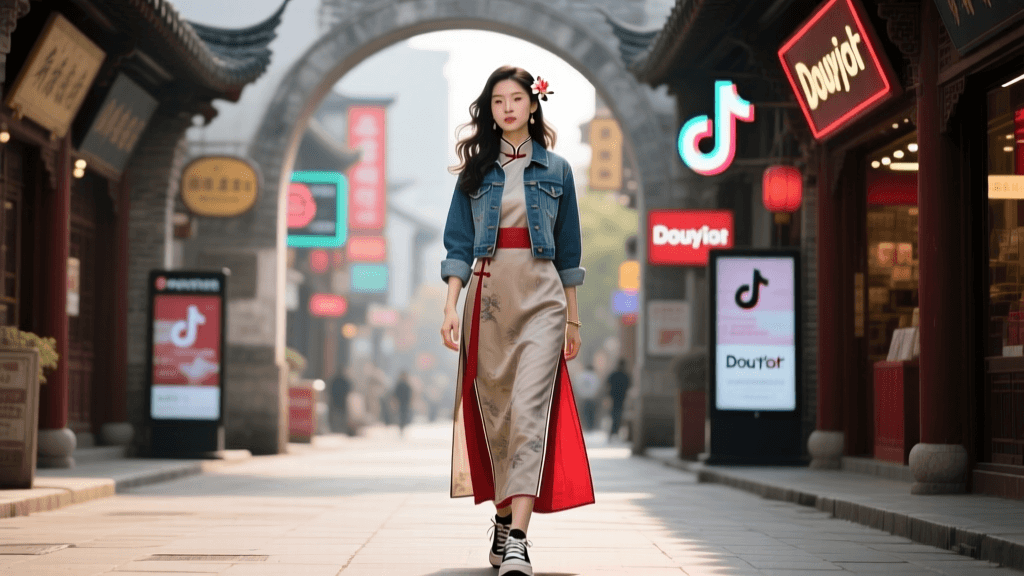
Wear a short-sleeved cross-collar Ao over a modern turtleneck in the winter, or pair it with high-waisted denim jeans in the spring. The Y-neckline of the Hanfu top frames the face beautifully and adds a layer of artisanal craftsmanship to a standard casual outfit.
Evening and Events
Combine your brocade Mamianqun with a silk standing-collar Ao. Drape a sheer Pifeng over the shoulders to add movement and drama. Accessorize with a minimalist jade hair stick and a pair of pearl drop earrings. This ensemble bridges the gap between historical elegance and modern red-carpet glamour.
Conclusion
Building a Ming Dynasty Hanfu capsule wardrobe is an investment in both cultural appreciation and sustainable fashion. By selecting high-quality, versatile pieces like the Mamianqun, structured Ao, and elegant Pifeng, you create a timeless collection that transcends fleeting trends. With proper care and creative styling, your traditional garments will seamlessly integrate into your modern lifestyle, allowing you to wear history with confidence every single day.