Douyin Hanfu Street Style: Viral Trends and How to Wear Them
The Rise of 'New Chinese Style' on Douyin
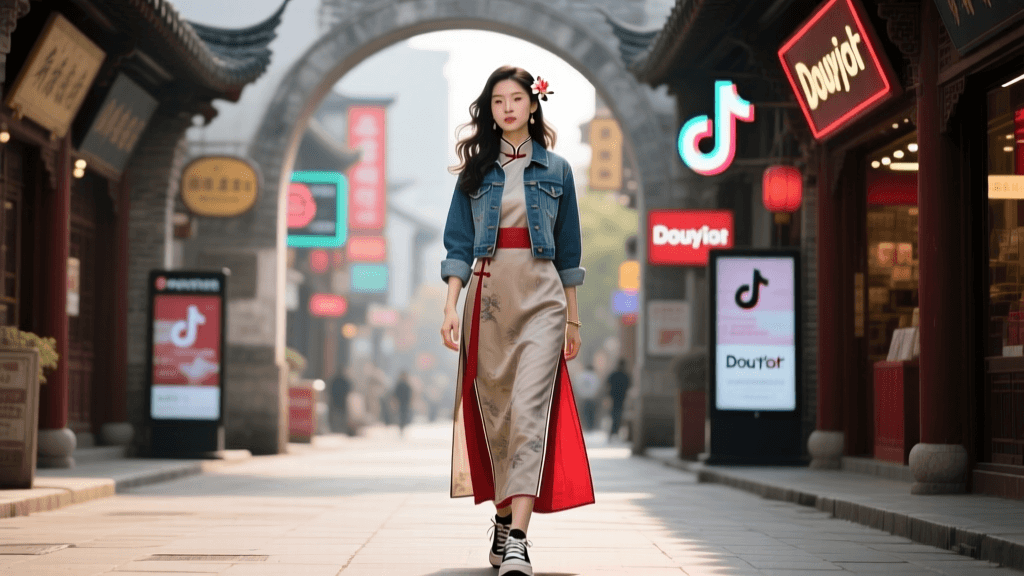
The intersection of ancient heritage and modern streetwear has found its most vibrant expression on Douyin, the Chinese counterpart to TikTok. Over the past few years, the platform has become the epicenter for the 'Xin Zhong Shi' (New Chinese Style) movement, where fashion influencers reimagine traditional Hanfu for contemporary urban life. Unlike the strict historical reenactments of the early 2010s, today's Douyin street fashion is all about fluidity, juxtaposition, and everyday wearability. According to extensive cultural reporting by The New York Times, this modern Hanfu movement is driven by younger generations seeking to express a unique cultural identity through fashion, blending historical silhouettes with global streetwear aesthetics.
For international enthusiasts and everyday fashion lovers, decoding these Douyin trends offers a masterclass in styling traditional garments for the modern world. By mixing centuries-old tailoring with contemporary basics, influencers are proving that traditional Chinese clothing is not just for festivals or photoshoots—it is a dynamic, living wardrobe staple.
3 Viral Douyin Hanfu Streetwear Trends
1. The Mamianqun (Horse-Face Skirt) with Oversized Blazers
The Ming Dynasty Mamianqun is arguably the most viral garment on Chinese social media. Characterized by its flat front and back panels with deep, structured pleats on the sides, the horse-face skirt is incredibly versatile. On Douyin, the most popular styling hack involves pairing a heavily embroidered or woven jacquard Mamianqun with an oversized, structured Western blazer and a simple fitted turtleneck.
Actionable Advice: When shopping for a Mamianqun for streetwear, opt for a mid-calf length (approx. 85-95cm depending on your height) to prevent the pleats from dragging on urban streets. Look for skirts made from 100% polyester jacquard. While pure silk is historically luxurious, modern polyester blends hold the sharp pleats much better during daily commutes and are significantly easier to clean. Expect to pay between 150 and 300 RMB ($20 to $40 USD) for a high-quality, durable piece on platforms like Taobao.
2. Song Dynasty Beizi as Summer Dusters
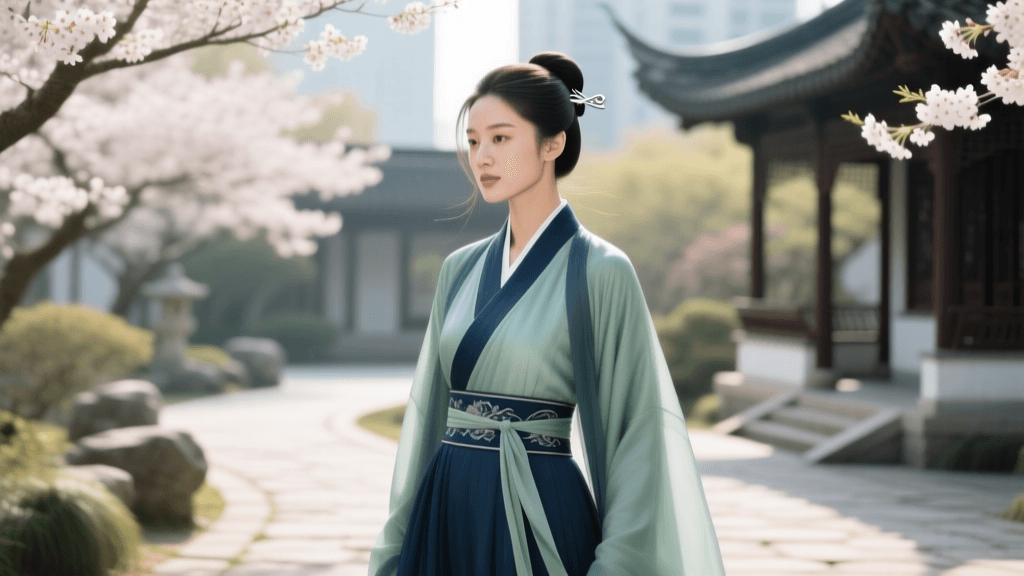
The Song Dynasty Beizi is a long, open-front outer jacket with side slits that extend up to the armpit. Its straight, flowing silhouette makes it the perfect lightweight duster for spring and summer street style. Douyin influencers frequently layer sheer or linen-blend Beizi over modern basics, such as ribbed camisoles, high-waisted denim shorts, or wide-leg linen trousers. The aesthetic is effortlessly chic, offering a breezy, intellectual vibe that translates perfectly to cafe-hopping and city strolls.
Actionable Advice: For a modern streetwear look, choose a Beizi in muted, earthy tones like sage green, oatmeal, or slate blue. Because the Beizi relies on flat cutting, the shoulder seams often drop. To achieve the intentional 'slouchy' look favored by influencers, select a size that offers a shoulder width (Jiankuan) about 5cm wider than your natural shoulder measurement. A cotton-linen blend is ideal for breathability and provides a beautiful, natural drape that catches the wind.
3. Ming Dynasty Aoqun with Chunky Sneakers
The Aoqun consists of a cross-collared or round-collared top (Ao) paired with a skirt (Qun). While traditionally worn with delicate cloth shoes, Douyin's streetwear rebels have popularized pairing heavily layered Ming Dynasty tops with chunky, oversized sneakers (like the Balenciaga Track or New Balance 990 series). The juxtaposition of the voluminous, historic top with aggressive, modern footwear creates a striking visual contrast that dominates street-style photography.
Actionable Advice: To balance the proportions, wear a fitted, ribbed mock-neck top underneath the Ao. If your Ao has wide, traditional sleeves (Pipa sleeves), use subtle magnetic clasps or stylish leather cuff ties to secure the fabric around your wrists, preventing it from interfering with your daily activities while maintaining the dramatic silhouette.
Minimalist Jade Ornaments and Hair Styling
A crucial element of the Douyin Hanfu aesthetic is the approach to hair and accessories. While traditional formal wear requires elaborate metal hairpins and heavy coronets, the streetwear adaptation favors minimalism. Influencers are increasingly turning to subtle jade ornaments and modern hair accessories infused with traditional elements.
Instead of full updos, the viral 'half-up' style secured with a minimalist jade hair stick or a modern acetate claw clip adorned with small Hetian jade beads is highly favored. Authentic Hetian jade can be prohibitively expensive, but for everyday styling, Douyin creators often use high-quality Dongling jade, quartz, or even beautifully carved resin alternatives that cost between 30 and 80 RMB ($4 to $11 USD). These subtle touches provide a nod to antiquity without looking like a costume, perfectly bridging the gap between historical reverence and modern practicality.
Practical Guide: Sizing and Measurements
One of the biggest hurdles for international buyers is navigating traditional Chinese sizing. Unlike Western fashion, which relies on 3D tailoring and standardized S/M/L charts based on body volume, traditional Hanfu is based on 2D flat cutting. The garments are constructed from flat pieces of fabric that drape over the body, meaning the fit is governed by width and length rather than contoured seams.
When ordering from Chinese marketplaces, ignore standard Western sizing and focus on these three critical flat measurements:
- Xiongwei (Bust/Chest Width): Measured flat across the chest. For a cross-collared top (Jiaoling Youren), ensure the Xiongwei is at least 10-15cm larger than your actual bust circumference to allow for the proper overlap and drape.
- Jiankuan (Shoulder Width): Measured from shoulder seam to shoulder seam. For the viral oversized Douyin look, add 4-8cm to your natural shoulder width.
- Qunchang (Skirt Length): Measure from your natural waist to your desired hemline. For a 165cm tall individual, a Mamianqun length of 100-105cm will hit perfectly at the ankle, allowing for chunky sneakers without tripping.
Sourcing Authentic Pieces on a Budget
As noted by cultural analysts at Sixth Tone, the commercialization of Hanfu has led to a massive boom in domestic manufacturing, making authentic, well-crafted pieces more accessible than ever. However, sourcing these items internationally requires navigating Chinese e-commerce platforms like Taobao, Weidian, and Tmall.
For international buyers, utilizing a parcel forwarding agent (such as CSSBuy or Sugargoo) is essential. These agents allow you to purchase from domestic Chinese sellers, consolidate your items in a warehouse, and ship them globally. When budgeting, remember to factor in domestic shipping (usually free or under 15 RMB) and international forwarding costs, which typically range from $15 to $30 USD for the first kilogram via standard air mail. According to market reports covered by the South China Morning Post, the Hanfu market has expanded to include dedicated sub-brands that cater specifically to everyday, budget-friendly streetwear, ensuring you do not need to spend couture prices to achieve the Douyin look.
Essential Douyin Wardrobe Matrix
To help you build your own New Chinese Style wardrobe, refer to the matrix below for a quick guide on essential pieces, estimated costs, and styling pairings.
| Garment | Avg Cost (USD) | Best Fabric | Modern Pairing |
|---|---|---|---|
| Mamianqun (Ming Skirt) | $25 - $50 | Polyester Jacquard | Oversized Blazer & Turtleneck |
| Beizi (Song Duster) | $20 - $40 | Cotton-Linen Blend | Camisole & Wide-Leg Jeans |
| Jiaoling Ao (Cross-Collar Top) | $30 - $60 | Textured Crepe / Silk Blend | Chunky Sneakers & Cargo Pants |
| Minimalist Jade Hair Stick | $5 - $15 | Dongling Jade / Quartz | Half-Up Claw Clip Styling |
Conclusion
The Douyin street fashion scene has fundamentally democratized traditional Chinese clothing, stripping away the intimidation factor and replacing it with creative, everyday utility. By understanding the mechanics of flat cutting, choosing the right modern fabrics, and mastering the art of juxtaposition, anyone can incorporate the elegance of Hanfu into their daily rotation. The 'New Chinese Style' is not just a fleeting internet trend; it is a profound sartorial evolution that honors the past while confidently striding into the future of global streetwear.