The Ultimate Guide to Kimono Silk: Chirimen and Rinzu
The Soul of the Silhouette: Understanding Kimono Silk Craftsmanship
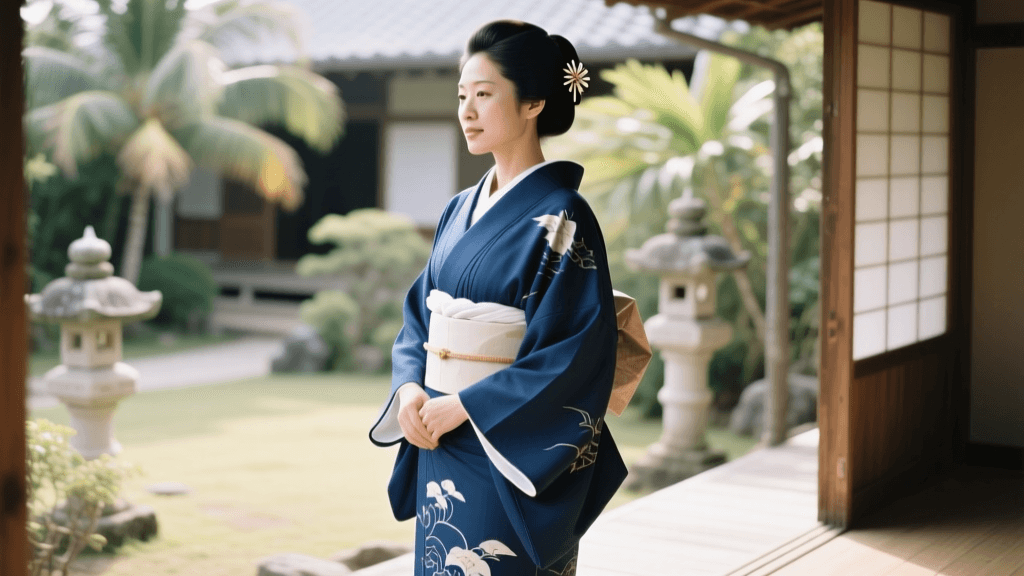
The kimono is globally recognized for its elegant, T-shaped silhouette, but true connoisseurs and textile historians know that the soul of this garment resides entirely within its fabric. Japanese textile craftsmanship represents centuries of refined sericulture, weaving, and dyeing techniques. According to the Metropolitan Museum of Art, the evolution of the kimono is intrinsically linked to the development of Japan's silk industry, shifting from simple hemp and ramie garments to the highly complex, multi-layered silk masterpieces seen in the Edo period and beyond. For modern collectors, practitioners, and enthusiasts, understanding the specific types of kimono silk is essential not only for appreciating the art form but also for making informed purchasing and care decisions.
Unlike Western tailoring, which cuts fabric to fit the body, the traditional kimono is constructed from a single bolt of fabric known as a tanmono. This bolt is typically 36 to 38 centimeters wide and about 12 meters long. Because the fabric is rarely cut and instead folded and sewn in straight lines, the textile's drape, weight, and texture dictate how the garment behaves when worn. In this comprehensive guide, we will explore the 'Big Three' of kimono silk craftsmanship: Chirimen, Rinzu, and Tsumugi, providing you with actionable knowledge for sourcing, measuring, and maintaining these exquisite textiles.
The Big Three: Chirimen, Rinzu, and Tsumugi
Chirimen (Crepe Silk): The Canvas of Yuzen Dyeing
Chirimen is arguably the most ubiquitous and beloved silk used in traditional Japanese garments. It is a crepe silk characterized by its distinct, slightly bumpy texture known as shibo. This unique texture is achieved through a highly specialized weaving process where the weft (horizontal) threads are tightly twisted—often up to 3,000 twists per meter—before being woven. When the fabric is removed from the loom and washed, the tension in the twisted threads causes them to contract, creating the signature microscopic crinkles on the surface.
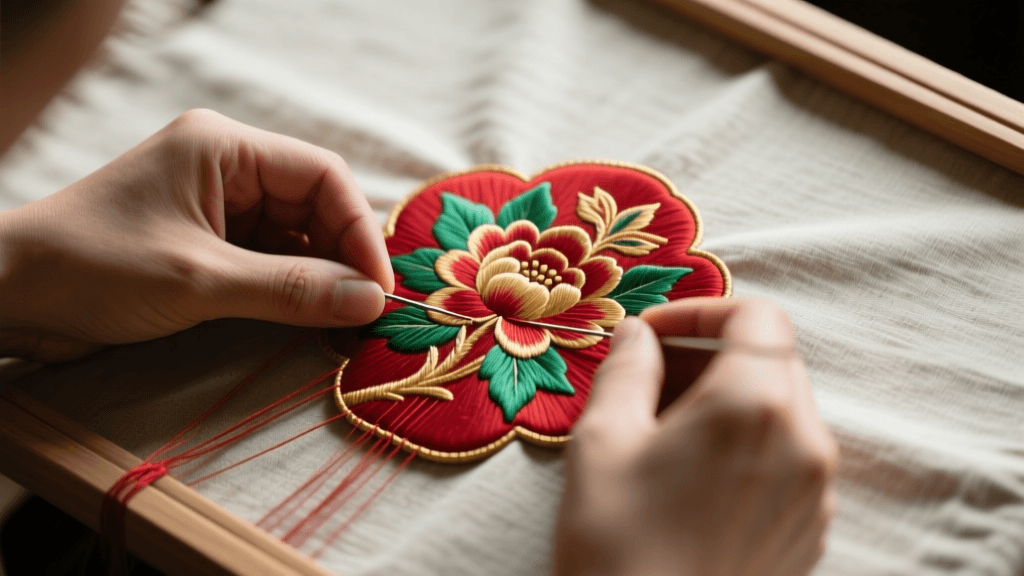
This textured surface is not merely aesthetic; it serves a vital functional purpose. The shibo texture scatters light, giving Chirimen a soft, matte luster that prevents the fabric from looking overly shiny or cheap. More importantly, this textured surface acts as the perfect canvas for Yuzen dyeing, a resist-dyeing technique that allows for incredibly detailed, painterly designs. The Kyoto City Traditional Crafts Center highlights that regions like Tango in Kyoto Prefecture have been the historical epicenters for Tango Chirimen production, supplying the finest crepe silks to the dyeing houses of Kyoto. Chirimen is heavy, drapes beautifully, and is the standard choice for formal and semi-formal women's kimono, including houmongi (visiting wear) and komon (everyday patterned kimono).
Rinzu (Damask Silk): The Elegance of Woven Patterns
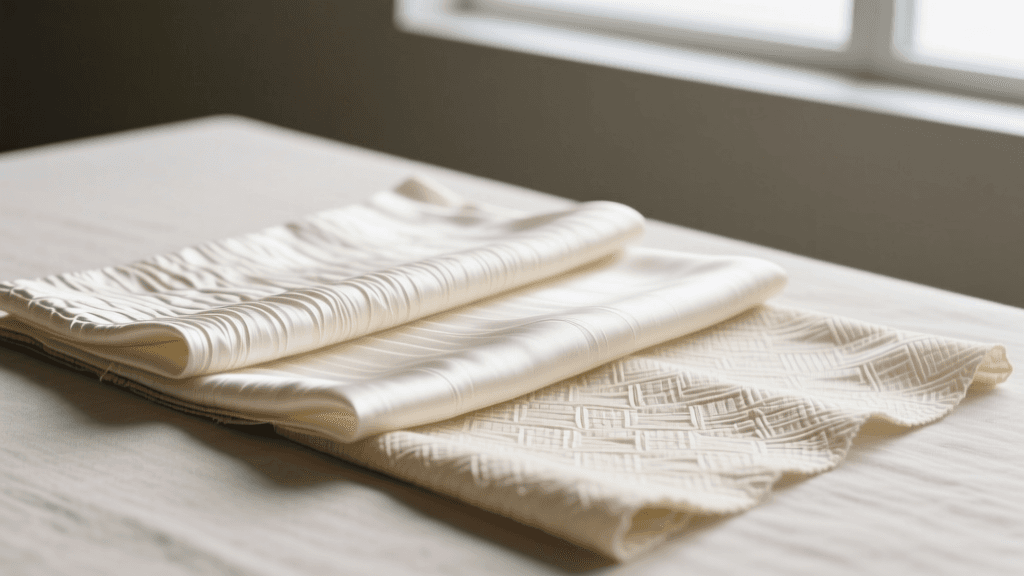
If Chirimen is the canvas for dyed art, Rinzu is the masterpiece of woven art. Rinzu is a type of silk damask, characterized by glossy, intricate patterns woven directly into a matte background. This effect is achieved using a satin weave structure where warp or weft threads 'float' over the surface of the fabric, catching the light and creating a subtle, tone-on-tone contrast. Unlike brocade (nishiki), which uses multiple colored threads to create loud, vibrant patterns, Rinzu relies on the interplay of light and shadow, making it incredibly sophisticated and understated.
Rinzu is frequently used for highly formal garments where the fabric itself must convey luxury without overpowering the wearer. It is the premier choice for bridal uchikake (outer robes), formal furisode (long-sleeved kimono for unmarried women), and high-end haori jackets. Because the weaving process requires complex jacquard looms and immense skill, authentic Rinzu is expensive and highly prized. When examining a piece of Rinzu, you will often find subtle woven motifs such as cranes, pine trees, or geometric saya-gata patterns that symbolize longevity and prosperity.
Tsumugi (Pongee / Slub Silk): The Rustic Beauty of Imperfection
While Chirimen and Rinzu represent the refined, aristocratic side of Japanese silk, Tsumugi represents its rustic, earthy soul. Tsumugi is a pongee silk, woven from tsumugi-ito—yarn spun from silk noil (the short, leftover fibers from the cocoon) or pierced cocoons. Because the fibers are short and spun rather than reeled in continuous filaments, the resulting yarn is uneven, creating a fabric with a distinct 'slubbed' or nubby texture. Tsumugi is matte, lightweight, and remarkably durable, often compared to the feel of high-quality linen or raw cotton.
Historically, Tsumugi was worn by commoners and merchants because the silk noil was considered a byproduct of the luxury silk industry. However, its understated beauty and immense comfort eventually captivated the samurai class and modern aesthetes. Tsumugi is almost always pre-dyed using techniques like kasuri (ikat) or shibori (tie-dye) before weaving, resulting in beautiful, geometric, or hazy patterns. Famous regional varieties include Oshima Tsumugi from Amami Oshima and Yuki Tsumugi from Ibaraki, both of which are designated as Important Intangible Cultural Properties of Japan. Tsumugi is strictly informal; it is perfect for daily wear, tea ceremony practice, and casual outings, but it is considered inappropriate for formal ceremonies.
Fabric Comparison Chart
To help you quickly identify and select the right fabric for your needs, refer to the structured comparison below:
| Fabric Type | Weave Structure | Visual & Tactile Texture | Formality Level | Average Cost (New Tanmono) |
|---|---|---|---|---|
| Chirimen | Plain weave with highly twisted weft | Matte, pebbled (shibo), heavy drape | Semi-Formal to Formal | $400 - $1,500 USD |
| Rinzu | Satin damask weave | Glossy patterns on matte ground, smooth | Formal to Bridal | $800 - $3,000+ USD |
| Tsumugi | Plain or twill weave (spun silk) | Nubby, slubbed, matte, lightweight | Casual / Everyday | $300 - $2,500 USD |
Practical Buyer's Guide: Sourcing, Measurements, and Pricing
Purchasing a kimono or a bolt of silk (tanmono) requires an understanding of traditional Japanese measurements and market dynamics. Whether you are buying vintage or commissioning a new piece, here is the actionable advice you need.
Understanding Measurements and Sizing
Unlike Western clothing, kimono are not sized by standard S/M/L metrics. They are tailored to the individual using the tanmono bolt. When buying vintage, you must check the mi-haba (hip width) and mitake (back length). A general rule of thumb for the ideal length is your total height plus 15 to 20 centimeters to allow for the ohashori (the waist fold). The standard width of a vintage kimono panel is about 36 cm. If your hip measurement exceeds 100 cm, you may find standard vintage kimono too narrow, and you will need to seek out modern, wider-loom fabrics or garments specifically tailored for Western proportions.
Sourcing Vintage vs. New
For collectors and beginners alike, the vintage market offers incredible value. According to insights from the Victoria and Albert Museum, the preservation of historical textiles is a growing global interest, and vintage kimono can be sourced for as little as $30 to $150 USD at Japanese flea markets (like the Toji Temple market in Kyoto) or specialized online exporters. When inspecting vintage silk, always check the shoulders and the lower hem for shimi (age spots) or dry rot, which manifests as a tearing sound when the fabric is gently flexed.
If you are commissioning a new, bespoke kimono, be prepared for a significant investment. A new Chirimen kimono, hand-dyed using traditional Yuzen techniques and tailored to your exact measurements, will typically start around $3,000 USD and can easily exceed $15,000 USD for master-level craftsmanship. Always request a physical fabric swatch (kirehashi) before committing to a custom order to verify the weight and drape of the silk.
Caring for Your Silk Kimono: Actionable Maintenance
Silk is a protein fiber, making it highly sensitive to moisture, UV light, and improper storage. Proper care ensures these garments survive for generations.
- Spot Cleaning (Shikkai): Never attempt to wash a silk kimono at home with water. Water causes the silk fibers to shrink unevenly and ruins the shibo texture of Chirimen. If you spill something, take it to a specialized kimono cleaner for shikkai (traditional stain removal using solvents and rice bran). This typically costs between $40 and $80 USD per spot.
- Full Cleaning (Maru-arai): If the entire garment needs refreshing, it must undergo maru-arai, a specialized dry-cleaning process that uses gentle petroleum-based solvents. Expect to pay $100 to $150 USD for this service. Do this only every 2 to 3 years if worn infrequently.
- Airing Out: After wearing a kimono, hang it on a wide kimono hanger (emonkake) in a shaded, well-ventilated room for 24 hours to allow sweat and moisture to evaporate before folding it.
- Long-Term Storage: Fold the kimono along its original seam lines and wrap it in acid-free tatou-shi paper. Never store silk in plastic bags, as trapped moisture will cause mold and yellowing. Store the wrapped garments in a kiribako (a traditional chest made of paulownia wood), which naturally regulates humidity and repels insects.
Conclusion
The craftsmanship behind kimono silk is a testament to Japan's deep reverence for nature, geometry, and aesthetic subtlety. Whether you are drawn to the pebbled elegance of Chirimen, the woven luxury of Rinzu, or the rustic charm of Tsumugi, understanding these fabrics transforms the way you interact with traditional Japanese garments. By respecting the traditional measurements, investing in proper care, and recognizing the immense labor woven into every thread, you become not just a wearer of the kimono, but a custodian of its enduring legacy.