Shiromuku and Iro-Uchikake: Japanese Wedding Kimono Guide
The Enduring Elegance of Japanese Bridal Attire
When envisioning a traditional Japanese wedding, the striking imagery of a bride adorned in layers of exquisite silk immediately comes to mind. Unlike Western wedding traditions where a single gown is worn throughout the day, a traditional Japanese bride often undergoes multiple wardrobe changes, known as oshironaoshi, to reflect the shifting phases of her wedding day. From the solemnity of the Shinto ceremony to the vibrant celebrations of the evening reception, the garments chosen are steeped in centuries of cultural symbolism, masterful textile craftsmanship, and profound meaning.
According to the Victoria and Albert Museum, the kimono is not merely a piece of clothing but a canvas of cultural expression, with bridal attire representing the pinnacle of Japanese textile arts. This comprehensive guide explores the two most iconic garments in a Japanese bride's trousseau: the pristine Shiromuku and the resplendent Iro-Uchikake, offering practical advice on costs, timelines, and the intricate art of wearing them.
The Shiromuku: Purity and the Shinto Ceremony
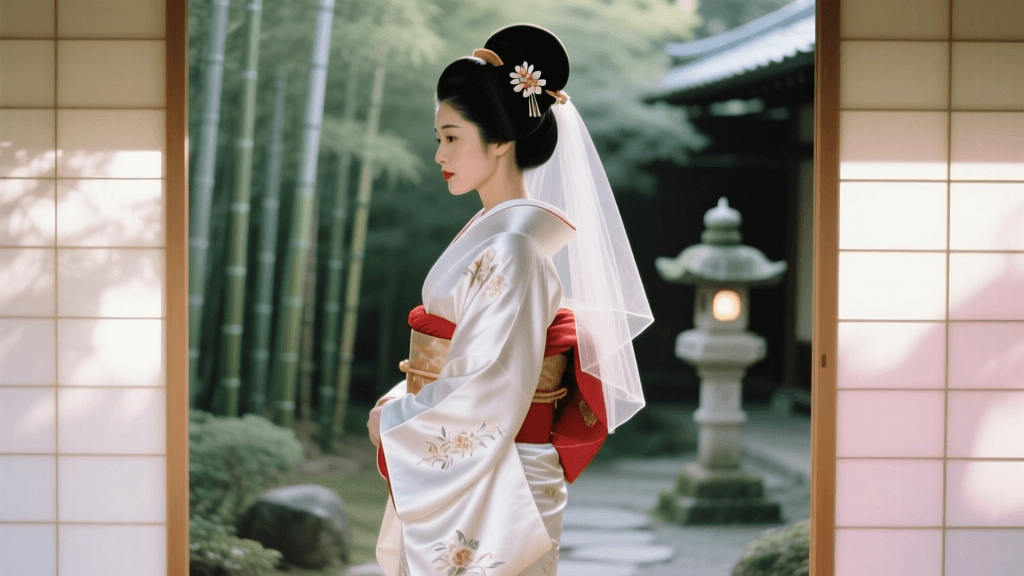
The Shiromuku (literally 'white macro') is the most formal and traditional wedding kimono, worn exclusively during the Shinto wedding ceremony (shinzen shiki). Entirely white—from the outer robe and inner linings to the obi and accessories—the Shiromuku is a breathtaking symbol of purity, maidenhood, and the bride's willingness to be 'dyed' in the colors and traditions of her new family.
'White in Shinto tradition represents both purity and the sun. By wearing the Shiromuku, the bride symbolically dies to her past life and is reborn into her husband's family, embodying a blank slate ready to absorb new customs and values.'
Textile Craftsmanship and Motifs
While the Shiromuku appears solid white from a distance, up close it reveals a breathtaking landscape of tone-on-tone weaving and embroidery. Master artisans utilize techniques like Nishijin-ori (brocade weaving from Kyoto) and Shibori (intricate tie-dyeing) to create subtle textures. Common motifs hidden in the white threads include:
- Tsuru (Crane): Symbolizing longevity, fidelity, and a harmonious marriage, as cranes are believed to mate for life.
- Matsu (Pine): Representing endurance and resilience through harsh winters, mirroring the strength required in marriage.
- Botan (Peony): Known as the 'king of flowers,' it signifies wealth, honor, and prosperity.
Headpieces: Wataboshi vs. Tsunokakushi
The Shiromuku is paired with one of two traditional headpieces. The Wataboshi is a large, padded white silk hood that frames the face, acting as a veil to shield the bride from evil spirits and hide her from the groom until the ceremony concludes. Alternatively, the Tsunokakushi (horn-hider) is a white silk band tied around the head. According to Japan Guide's overview of traditional weddings, the Tsunokakushi symbolizes the bride's resolve to hide her 'horns' of jealousy and ego, embracing the virtues of a gentle and obedient wife in her new household.
The Iro-Uchikake: Vibrant Elegance for the Reception
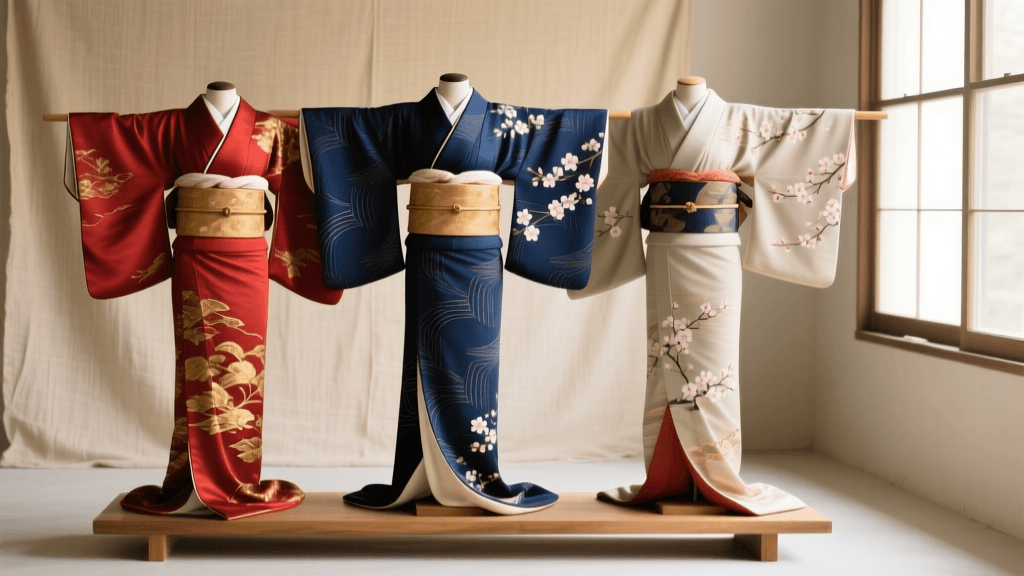
Following the solemn Shinto ceremony, the bride transitions into the Iro-Uchikake (colored outer robe) for the hiroen (wedding reception). This garment is a masterpiece of color, heavy padding, and opulent design. While red is the most traditional and auspicious color—believed to ward off evil spirits and symbolize vitality—modern brides frequently choose black, gold, deep purple, or pastel hues.
Anatomy of the Uchikake
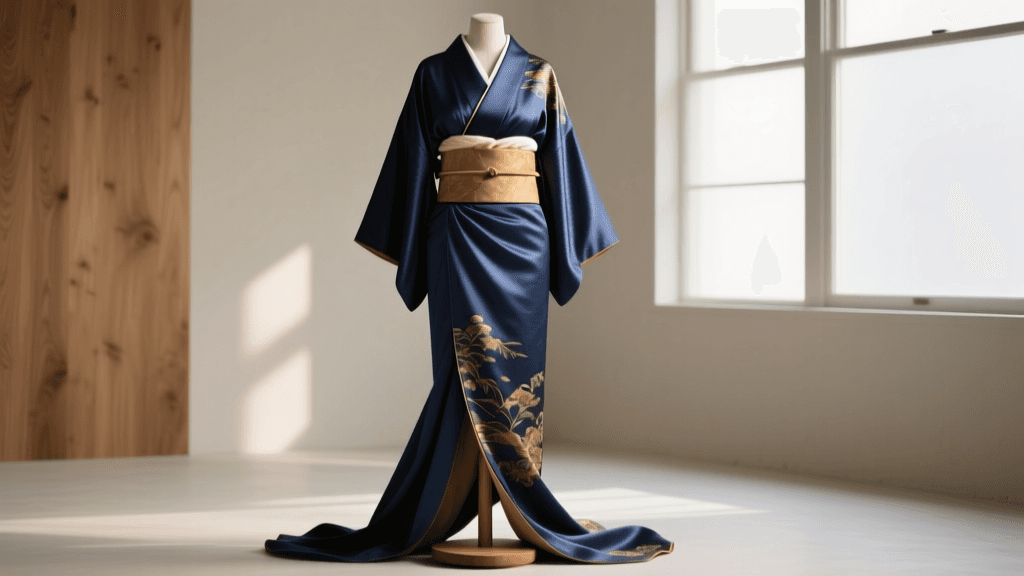
The Uchikake is not tied with an obi; rather, it is worn open over a secondary, highly decorated kimono called the Kakeshita. The hem of the Uchikake is heavily padded with cotton or silk wadding, a feature known as fukiginu. This padding allows the heavy silk brocade to trail beautifully along the floor, giving the bride a majestic, grounded silhouette. The Metropolitan Museum of Art notes that the Uchikake originated in the Kamakura period as a formal outer garment for high-ranking samurai women, eventually evolving into the ultimate bridal statement piece during the Edo period.
Essential Bridal Accessories
A traditional Japanese bridal ensemble requires a meticulous collection of accessories, each carrying its own historical weight and symbolic purpose:
- Kaiken (Pocket Dagger): A small, ornamental dagger tucked into the obi. Historically carried by samurai women for self-defense or ritual suicide, today it symbolizes the bride's courage and commitment to protect her new family.
- Suehiro (Sensu Fan): A silk folding fan featuring gold and silver leaf. The fan's shape, widening as it opens, represents a prosperous and expansive future for the couple.
- Shiro-Muku Zori and Tabi: White silk sandals and split-toe socks. Modern brides often opt for slightly elevated, padded zori to help manage the heavy, trailing hemlines.
- Obijime and Obidome: The decorative cord and clasp used to secure the heavy Fukuro Obi (brocade sash), often adorned with pearls, jade, or gold filigree.
Practical Guide: Costs, Rentals, and Timelines
Navigating the financial and logistical aspects of acquiring a Japanese wedding kimono requires careful planning. Because authentic silk kimono are incredibly expensive and require specialized storage, over 85% of modern Japanese brides choose to rent their ensembles from specialized bridal salons or kimono rental shops.
Cost and Timeline Comparison Chart
| Item / Service | Rental Cost (USD) | Purchase Cost (USD) | Booking Timeline |
|---|---|---|---|
| Shiromuku Full Set (incl. accessories) | $1,200 - $2,800 | $8,000 - $25,000+ | 6 - 8 Months Prior |
| Iro-Uchikake Full Set | $1,500 - $3,500 | $10,000 - $30,000+ | 6 - 8 Months Prior |
| Professional Kitsuke (Dressing Service) | $150 - $300 | N/A (Included in salon) | Book with Venue |
| Bridal Hair & Nihongami Styling | $200 - $450 | N/A | 3 - 4 Months Prior |
Actionable Advice for Kimono Fittings
When booking your fitting, you will need to provide specific measurements. Unlike Western dresses, kimono are not tailored to exact body curves; they are wrapped and padded to create a cylindrical silhouette. However, the kitsuke-shi (kimono dresser) will need your height, hip circumference, and arm span (yuki) to select the correct base garments.
Pro-Tip: Invest in modern kimono undergarments. Traditional hadajuban (undershirts) and koshimaki (wraps) can be bulky. Many modern bridal salons offer specialized 'kimono corsets' and padded hip-belts that secure the heavy obi without causing the bruising and restricted breathing associated with traditional towel-padding methods.
The Day Of: Timelines and Movement Etiquette
Wearing a Shiromuku or Iro-Uchikake is a time-intensive process. A full bridal ensemble, including the inner Kakeshita, the heavy Fukuro Obi, and the outer Uchikake, can weigh between 15 to 20 kilograms (33 to 44 lbs).
Wedding Day Timeline
- T-Minus 3 Hours: Begin hair styling. Traditional Nihongami updos or modern bridal styles incorporating kanzashi (ornamental hairpins) take 60 to 90 minutes.
- T-Minus 1.5 Hours: Begin Kitsuke (dressing). A professional dresser will take 45 to 60 minutes to layer the garments, tie the complex Bunko or Otaiko obi knots, and arrange the trailing hems.
- T-Minus 30 Minutes: Final makeup touch-ups and accessory placement (Wataboshi and Kaiken).
Mastering Suriashi (The Sliding Step)
Moving gracefully in a heavy, tightly bound kimono requires practice. Brides must utilize suriashi, a sliding walking technique where the feet barely leave the floor. This prevents the hem from tangling and maintains the elegant, gliding silhouette. When navigating stairs or entering the shrine, the bride should gently lift the front hem of the Uchikake with her right hand, holding the Suehiro fan in her left. Practice walking in your wedding zori at home with a heavy skirt a few weeks before the wedding to build calf strength and balance.
Conclusion
Choosing to wear a Shiromuku and Iro-Uchikake is a profound commitment to honoring Japanese heritage. While the financial investment and physical endurance required are significant, the result is a visual and cultural masterpiece. By understanding the deep symbolism of the textiles, planning your rentals and fittings well in advance, and mastering the elegant movements of traditional bridal etiquette, you ensure that your wedding day is not only a celebration of love but a breathtaking tribute to centuries of Asian sartorial tradition.