A Collector's Guide to Vintage Meiji and Taisho Kimono
The Allure of Pre-War Japanese Textiles
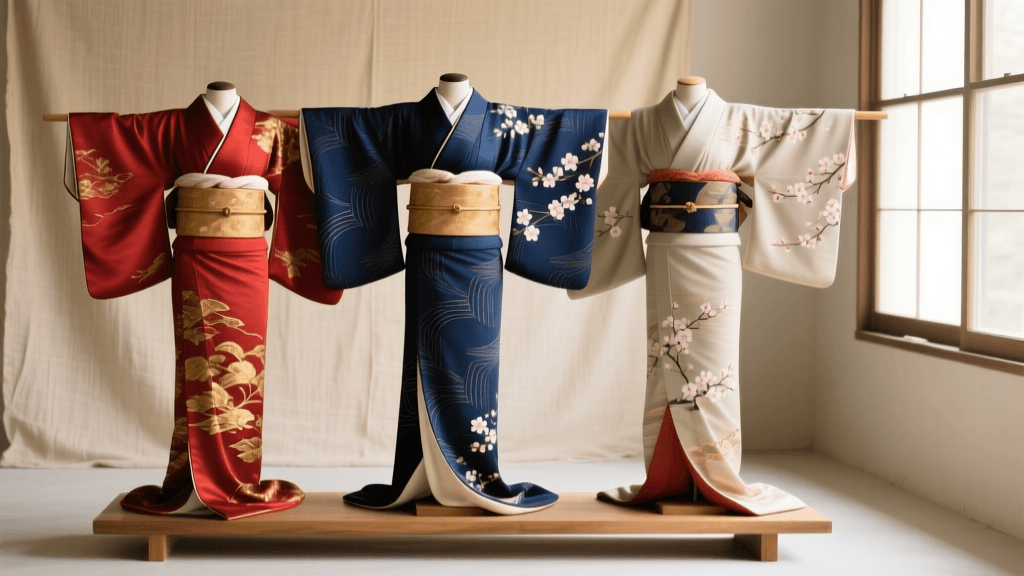
For textile enthusiasts and historians alike, collecting vintage and antique kimono is a deeply rewarding pursuit. Unlike modern, mass-produced garments, pre-World War II Japanese textiles represent a masterclass in craftsmanship, natural dyeing, and cultural storytelling. The transition from the isolationist Edo period into the globally connected Meiji and Taisho eras sparked a renaissance in textile design, blending traditional Japanese motifs with Western artistic influences like Art Nouveau and Art Deco.
According to the Victoria and Albert Museum, the evolution of the kimono during these eras reflects Japan's rapid modernization, where shifting social norms and new chemical dyes allowed for unprecedented creativity in fashion. For the serious collector, understanding the nuances of these periods, identifying authentic weaves, and mastering the art of preservation are essential skills.
Distinguishing the Eras: Meiji, Taisho, and Early Showa
To build a cohesive collection, one must be able to date garments accurately. The aesthetic and structural differences between the Meiji (1868–1912), Taisho (1912–1926), and early Showa (1926–1945) periods are distinct.
| Era | Years | Defining Aesthetics | Common Textiles | Collector Price Range (USD) |
|---|---|---|---|---|
| Meiji | 1868–1912 | Subtle elegance, natural motifs, intricate family crests (kamon), heavy and formal draping. | Omeshi, Rinzu (figured satin), Yuzen silk. | $300 – $2,500+ |
| Taisho | 1912–1926 | Bold geometry, Art Deco influence, vibrant chemical dyes, romantic and modernist motifs. | Meisen (ikat), Kasuri, Shibori silk. | $150 – $1,200 |
| Early Showa | 1926–1945 | Militaristic shifts, synthetic blends, war motifs (sensi-gara), practical everyday wear. | Rayon, Wool, Mixed Silks, Cotton. | $50 – $400 |
Sourcing Authentic Antique Kimono
Finding high-quality antique kimono requires knowing where to look, both physically in Japan and through international digital channels.
Physical Markets in Japan
- Toji Temple Flea Market (Kobo-san), Kyoto: Held on the 21st of every month, this is a premier destination for antique textiles. Arrive at dawn (around 5:30 AM) to sift through dealer boxes before the best Meiji and Taisho pieces are picked over.
- Oedo Antique Market, Tokyo: Held on the first and third Sundays at the Tokyo International Forum. This market features professional dealers specializing in high-end, pristine vintage silks and antique obi.
Online Sourcing and Proxy Services
For international collectors, Yahoo! Auctions Japan remains the largest repository of vintage kimono. Because direct purchasing is often restricted to Japanese bank accounts, collectors utilize proxy bidding services like Buyee or ZenMarket. When searching, use specific Japanese keywords: antique (アンティーク), Meisen (銘仙), and Omeshi (御召).
Fabric Identification and Weave Types
A critical aspect of collecting is identifying the weave and dyeing technique, which heavily dictates the garment's value and fragility.
- Meisen: The hallmark of the Taisho era. Meisen is a solution-dyed ikat silk where threads are pre-dyed before weaving, resulting in a slightly blurred, geometric pattern that is identical on both sides of the fabric. It is highly durable and prized for its bold, modernist aesthetics.
- Omeshi: A heavy, crepe silk often associated with the Meiji era and the aristocracy. The silk threads are pre-dyed and tightly twisted, creating a textured, ribbed surface. Omeshi is highly valued but prone to seam slippage due to the slippery nature of the crepe.
- Yuzen: A resist-dyeing technique used for pictorial, highly detailed designs. Antique hand-painted Yuzen (kaga-yuzen or kyo-yuzen) features intricate landscapes, flora, and fauna, often accented with gold leaf and embroidery. Institutions like the Kyoto National Museum preserve masterworks of Yuzen dyeing that serve as the ultimate reference points for collectors.
Condition Assessment: The Collector’s Checklist
Antique silks are organic and inherently fragile. Before purchasing a vintage kimono, conduct a rigorous condition assessment. When researching pieces and comparing condition standards, databases such as the Metropolitan Museum of Art's Asian Art collection provide invaluable visual references for what pristine, museum-quality textiles should look like.
1. Silk Shattering (Dry Rot)
In the late 19th and early 20th centuries, manufacturers often used metallic salts (like tin chloride) as 'weighting agents' to make silk feel heavier and drape better. Over decades, these salts cause the silk fibers to oxidize and disintegrate—a phenomenon known as silk shattering. Gently pinch the fabric; if it feels crisp, brittle, or makes a crunching sound, the silk is shattering and cannot be restored.
2. Stains and Oxidation (Shimi)
Inspect the white silk lining (hakkake) at the hem and the underarm areas of the outer fabric. Yellow or brown spots indicate oxidized sweat and body oils. While some surface stains can be treated by specialist cleaners in Japan (a process called arai-hari), deeply set oxidation in antique silk is often permanent.
3. Measurements and Wearability
Vintage kimono were tailored to the specific individual and generally cut smaller than modern garments. A standard Meiji or Taisho kimono panel width (mihaba) is often 32–34 cm (approx. 12.5–13.5 inches), resulting in a total garment width of 64–68 cm. Length (mitake) typically ranges from 145–155 cm. Collectors intending to wear these pieces must measure their own hips and height to ensure a proper fit, as letting out vintage seams is limited by the narrow fabric allowance.
Preservation, Storage, and Wardrobe Organization
Proper storage is the difference between preserving a family heirloom and destroying a piece of history. Never store antique silk in plastic bins, as plastic traps moisture and off-gasses chemicals that accelerate yellowing and promote mold (kabi).
The Traditional Tansu and Tatou
Ideally, antique kimono should be stored in a kiri-tansu (paulownia wood chest). Paulownia is naturally moisture-regulating and fire-resistant. If a tansu is not feasible, wrap each folded kimono in a tatou—a traditional, unbleached, acid-free paper folder. For modern collectors, archival-quality, acid-free tissue paper is an excellent substitute. Stuff the sleeves and folds lightly with tissue to prevent hard creases from snapping the aged silk fibers over time.
Pest Control: Shobu and Camphor
Silverfish and carpet beetles are the natural enemies of silk and the gold threads used in antique obi. Avoid modern chemical mothballs, which can melt synthetic linings and leave an overpowering odor. Instead, use natural shobu (camphor wood blocks) or dried lavender sachets placed in the corners of your storage drawers to deter pests naturally.
Upcycling and Displaying Damaged Pieces
Not every piece you find will be in wearable condition. Collectors frequently encounter Taisho Meisen with shattered shoulders or Meiji Yuzen with severe hem staining. Rather than discarding these, the collecting community embraces mindful upcycling.
- Framing Sleeves (Sode): The sleeves of a kimono often feature the most dynamic, continuous patterns. Carefully detaching a vibrant Meisen sleeve and mounting it in a UV-protected shadow box creates stunning, museum-quality wall art.
- Obi Cushions: While silk obi are rarely worn today due to their stiffness, their thick, brocaded weaves make excellent upholstery. Repurposing a damaged Nishijin-ori obi into a floor cushion (zabuton) preserves the textile in a functional, tactile way.
Conclusion
Collecting vintage Meiji and Taisho kimono is an act of cultural preservation. It requires a keen eye for detail, an understanding of historical textile techniques, and a commitment to proper conservation. Whether you are hunting for a rare Art Deco Meisen at a Kyoto flea market or carefully archiving a fragile Yuzen silk in your home, you are safeguarding a tangible piece of Asian fashion history for future generations to study and admire.