Japanese Kimono Seasonality: Fabric Weight & Care Calendar
The Art of Koromogae: Dressing for the Japanese Seasons
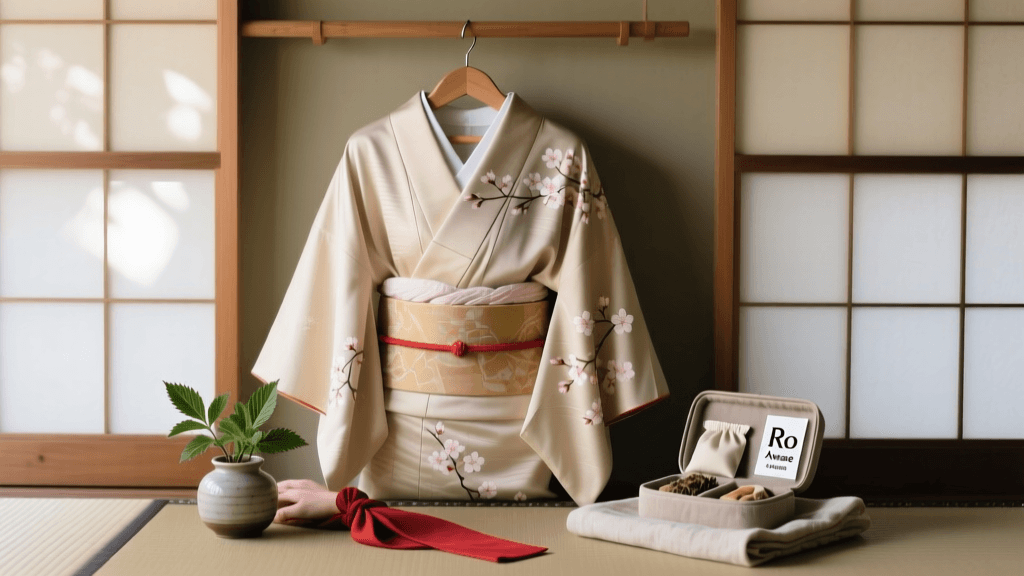
In the realm of traditional Japanese clothing, a garment is never merely a functional covering; it is a deeply symbolic canvas that reflects the natural world, social etiquette, and the passage of time. The practice of aligning one's wardrobe with the shifting seasons is known as Koromogae (衣替え), which translates to 'the changing of clothes.' This biannual tradition dictates not only the motifs and colors worn but, more importantly, the specific textile weights, weaves, and layering systems appropriate for the climate. Understanding the intersection of textile weight seasonality and fabric care is essential for anyone looking to preserve the integrity of these exquisite garments while honoring Japanese sartorial traditions.
Historically, the strict adherence to seasonal dressing was a marker of refinement and cultural awareness. As noted by the Metropolitan Museum of Art in their comprehensive essay on Japanese robes, the evolution of the kimono from the kosode of the Muromachi period to the highly structured garments of the Edo period was intrinsically linked to the display of seasonal awareness and social status. Wearing a heavy, lined silk garment in the humid peak of August, or a sheer, unlined weave in the freezing winds of January, would be considered a profound breach of etiquette. Today, this philosophy remains a cornerstone of kimono dressing, requiring collectors and practitioners to maintain a meticulously curated, seasonally rotated wardrobe.
Decoding Textile Weights: The Foundation of Seasonal Dress
The Japanese kimono wardrobe is categorized primarily by the presence, absence, or type of lining, as well as the specific weave of the outer silk. The Victoria and Albert Museum highlights how master weavers developed specialized techniques to create textiles that could either trap body heat or allow for maximum airflow, depending on the month. Below is the foundational data table for kimono textile weights and their designated wearing seasons.
| Garment Type | Japanese Term | Textile Weight & Weave | Lining Status | Designated Wearing Months |
|---|---|---|---|---|
| Lined Kimono | Awase (袷) | Medium to Heavy (e.g., Chirimen silk crepe, Tsumugi pongee) | Fully lined with Habutae silk | October 1 to May 31 |
| Unlined Kimono | Hitoe (単衣) | Medium (e.g., Ro, Sha, or unlined Chirimen) | Completely unlined | June 1 to June 30; Sept 1 to Sept 8 |
| Summer Sheer | Natsu-mono (夏物) | Lightweight, open-weave (Ro, Sha, Chijimi) | Unlined, worn with sheer undergarments | July 1 to August 31 |
| Winter Wadded | Wataire (綿入れ) | Heavy silk with cotton or silk wadding | Thickly lined and padded | Deep Winter (Dec-Feb, mostly for lounging) |
Awase: The Lined Standard
The Awase is the most common and versatile kimono in a traditional collection. Worn for eight months of the year, it features an outer layer of silk (often Chirimen, a textured crepe silk that provides excellent insulation) and an inner lining of smooth Habutae silk. The lining not only provides warmth but also gives the garment its structural drape and weight, allowing it to fall elegantly over the body's natural contours.
Hitoe: The Transitional Garment
The Hitoe is entirely unlined, making it significantly lighter and more breathable. It is strictly reserved for the transitional months of early summer (June) and early autumn (the first week of September). Because it lacks a lining, the inner seams and the reverse side of the textile are visible, requiring immaculate tailoring and finishing.
Ro and Sha: The Breath of Summer
For the sweltering months of July and August, wearers transition to Natsu-mono, utilizing specialized open-weave textiles. Ro features a leno weave with distinct horizontal stripes of open gaps, while Sha is a lighter, more delicate gauze-like weave. These fabrics are designed to catch the slightest breeze, and they are traditionally paired with sheer undergarments (hadajuban and nagajuban) to maintain modesty while maximizing cooling.
The Koromogae Calendar: A Month-by-Month Care Guide
Managing a kimono collection requires a strict calendar for wearing, cleaning, and storing. The transition periods—June 1st and October 1st—are the official dates for Koromogae, though modern practitioners often adjust these dates slightly to accommodate shifting climate patterns and regional temperature variations.
Spring (March to May): Airing and Transition
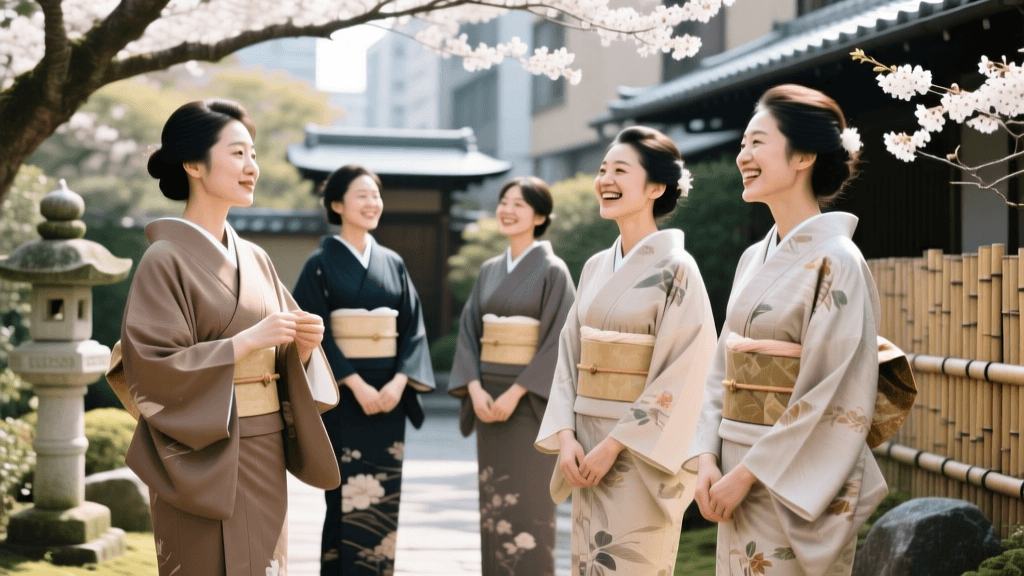
- Wardrobe Focus: Awase garments featuring spring motifs like cherry blossoms (sakura), plum blossoms (ume), and wisteria (fuji).
- Care Action: This is the ideal time for Mushi-boshi (airing out). Before storing winter garments, hang them in a shaded, well-ventilated area for a few hours to release trapped moisture and odors. Never expose silk to direct sunlight, as UV rays will rapidly degrade the natural fibers and cause irreversible fading.
Early Summer (June): The First Koromogae
- Wardrobe Focus: Transition to Hitoe. Motifs shift to early summer flora like irises (shobu) and sweetfish (ayu).
- Care Action: As humidity rises, moisture control becomes critical. When packing away Awase garments for the summer, ensure they are freshly cleaned. Even invisible perspiration stains can oxidize over the summer months, leading to yellowing and fabric rot.
Peak Summer (July to August): Sheer Weaves and Sweat Management
- Wardrobe Focus: Ro and Sha garments. Motifs emphasize cooling imagery, such as flowing water, snowflakes, and morning glories.
- Care Action: Summer wear requires immediate post-wear care. The collar area (eri) and the lower back are prone to sweat accumulation. Use a specialized silk-safe spot cleaner or a damp towel to gently blot the collar immediately after wearing. If heavy sweating occurs, the garment must be sent for professional cleaning without delay.
Autumn (September to November): The Return to Warmth
- Wardrobe Focus: Hitoe for the first week of September, followed by the October 1st switch back to Awase. Autumnal motifs include maple leaves (momiji), chrysanthemums (kiku), and the harvest moon.
- Care Action: The October Koromogae is the most intensive care period of the year. All summer Ro and Sha garments must undergo Maru-arai (full professional washing) before being stored for the next ten months. Storing porous, open-weave summer fabrics without cleaning invites pests and permanent staining.
Winter (December to February): Deep Storage and Protection
- Wardrobe Focus: Heavy Awase and formal crested garments (kurotomesode). Motifs feature pine, bamboo, and plum (shochikubai).
- Care Action: Winter air is dry, which is generally good for silk, but indoor heating can cause static and attract dust. When storing garments you are not actively wearing, ensure they are wrapped properly to prevent dust accumulation and allow the fibers to rest.
Professional Fabric Care and Storage Best Practices
Preserving the structural and aesthetic integrity of Japanese textiles requires specialized knowledge and investment. The traditional Japanese approach to garment care is highly systematic, relying on specific materials and techniques that have been refined over centuries.
The Maru-Arai Process and Costs
Unlike Western garments, a kimono is rarely washed at home. The standard for deep cleaning is Maru-arai, a process where the garment is completely taken apart at the seams, washed as individual flat panels of fabric, stretched on bamboo frames to dry and realign the weave (shinshi), and then meticulously resewn by a professional artisan. According to industry standards highlighted by the Japan National Tourism Organization regarding traditional crafts and artisan services, preserving these textiles requires master craftspeople. The cost for a standard Maru-arai ranges from 8,000 to 15,000 JPY (approximately $55 to $100 USD), depending on the complexity of the garment, the presence of delicate embroidery, and the extent of stain treatment required. While costly, this process resets the silk's tension and ensures the garment's longevity for future generations.
Tatami-Kata: The Art of Folding
Kimono are never hung on hangers for long-term storage, as the weight of the silk and lining will distort the shoulders and stretch the fabric. They are folded using a precise geometric method called Hon-datami. This folding technique ensures that the seams bear the weight of the folds, protecting the delicate painted or dyed motifs on the main body panels from developing permanent creases.
Tatou-Shi and Tansu: Archival Storage
Once folded, the kimono must be wrapped in Tatou-shi, a specialized, acid-free, breathable paper. Never use plastic bags or vinyl covers, as these trap moisture and off-gas chemicals that will yellow and shatter silk fibers over time. The wrapped garments are then stored in a Tansu, a traditional chest made from Paulownia wood (Kiri). Paulownia is highly prized for its natural fire-retardant properties, its ability to regulate internal humidity by expanding and contracting with the weather, and its natural resistance to wood-boring insects. For collectors who cannot source antique Paulownia chests, archival-grade cardboard boxes lined with acid-free tissue paper are the modern, cost-effective alternative.
'To wear a kimono is to wear the season itself. The rustle of Ro silk in August or the comforting weight of Chirimen in January connects the wearer to the ancient, rhythmic pulse of the natural world.'
Conclusion
Mastering the textile weight seasonality and fabric care calendar of the Japanese kimono is a rewarding endeavor that bridges the gap between historical appreciation and practical preservation. By respecting the rules of Koromogae, investing in professional Maru-arai cleaning, and utilizing traditional storage methods like Paulownia wood and acid-free wrapping, collectors ensure that these masterpieces of Asian textile heritage remain vibrant, structurally sound, and ready to be worn for centuries to come.