The Digital Kimono: How Online Influencers Revive Tradition
The Digital Renaissance of the Kimono
The kimono is no longer confined to the streets of Kyoto or the archives of textile museums. Over the past decade, a vibrant digital renaissance has transformed how the world interacts with Japan's national garment. Driven by a diverse network of influencers, vloggers, and dedicated online communities, the kimono has transitioned from a strictly codified traditional costume into a dynamic, accessible element of global fashion and cultural appreciation. According to the Metropolitan Museum of Art's Heilbrunn Timeline of Art History, the kimono evolved from the humble kosode undergarment into a profound canvas for artistic expression and social signaling. Today, digital creators are continuing this evolution, using social media to democratize the art of kitsuke (kimono dressing) and build international communities that celebrate Japanese heritage.
For content creators and enthusiasts alike, navigating this digital landscape requires a blend of cultural respect, technical knowledge, and strategic community building. This guide explores how influencers are shaping the modern kimono narrative, offering actionable advice on sourcing, styling, and fostering an engaged online audience.
Where the Community Gathers: A Platform Breakdown
Building a successful kimono-focused platform requires understanding where different segments of the community congregate. Each social media platform serves a distinct purpose in the kimono ecosystem, from rapid-fire styling inspiration to deep-dive historical discussions.
| Platform | Best Content Type | Audience Intent | Creator Strategy |
|---|---|---|---|
| High-quality OOTDs, detail shots of obi and obijime | Visual inspiration, aesthetic appreciation | Use carousel posts to show full outfit vs. macro textile details. Leverage Reels for 15-second styling transitions. | |
| YouTube | Step-by-step kitsuke tutorials, haul videos, history essays | Education, skill acquisition, deep dives | Create evergreen, searchable tutorials (e.g., 'How to tie a Fukura-suzume obi musubi'). Use chapters for long-form videos. |
| TikTok | Trends, quick tips, 'get ready with me' (GRWM) | Entertainment, viral discovery, quick hacks | Focus on the 'wow' factor of the transformation. Highlight modern styling hacks and relatable struggles of wearing kimono. |
| Reddit / Facebook | Q&A, sourcing advice, peer reviews, historical debates | Community support, troubleshooting, buying/selling | Engage authentically in groups like r/kimono. Answer questions about vintage sizing and condition grading without self-promotion. |
Sourcing for the Camera: Budgets, Proxies, and Measurements
A common misconception is that building a kimono wardrobe requires a massive financial investment. While luxury modern silk kimono from department stores can cost upwards of $5,000, digital influencers often rely on the thriving vintage and second-hand market to curate diverse, camera-ready looks. Mastering online Japanese auction sites via proxy services like Buyee or Sendico is an essential skill for any kimono vlogger.
Understanding Vintage Measurements
Unlike Western clothing, kimono are not sized by standard small, medium, or large labels. They are measured flat. When sourcing vintage pieces for video content, creators must understand the mitake (back length). For a traditional fit with a standard ohashori (the waist fold), the mitake should ideally be equal to the wearer's height minus 10 to 15 centimeters. However, many vintage kimono from the mid-20th century were made for shorter average heights (often featuring a mitake of 150-155 cm). Influencers often embrace the 'no-ohashori' style for shorter vintage pieces, wearing them like modern maxi dresses, which is highly popular on TikTok and Instagram.
Budgeting for a Starter Influencer Wardrobe
- Vintage Silk (Yahoo Auctions via Proxy): $30 - $120 per piece. Look for condition rankings of 'A' or 'B'. Always check photos for shimi (yellowing or stains) on the collar and hem.
- Modern Washable Polyester (Washimashi / Chiisagiku): $150 - $300. Essential for vloggers who shoot outdoors or travel, as they can be machine-washed and resist wrinkling on camera.
- Antique Obi (Meiji/Taisho era): $40 - $90. Heavily embroidered or gold-leaf (surihaku) obi from this era make stunning focal points for close-up camera shots, even if the fabric is too fragile to tie tightly.
Kitsuke Mechanics: What Viewers Actually Want to See
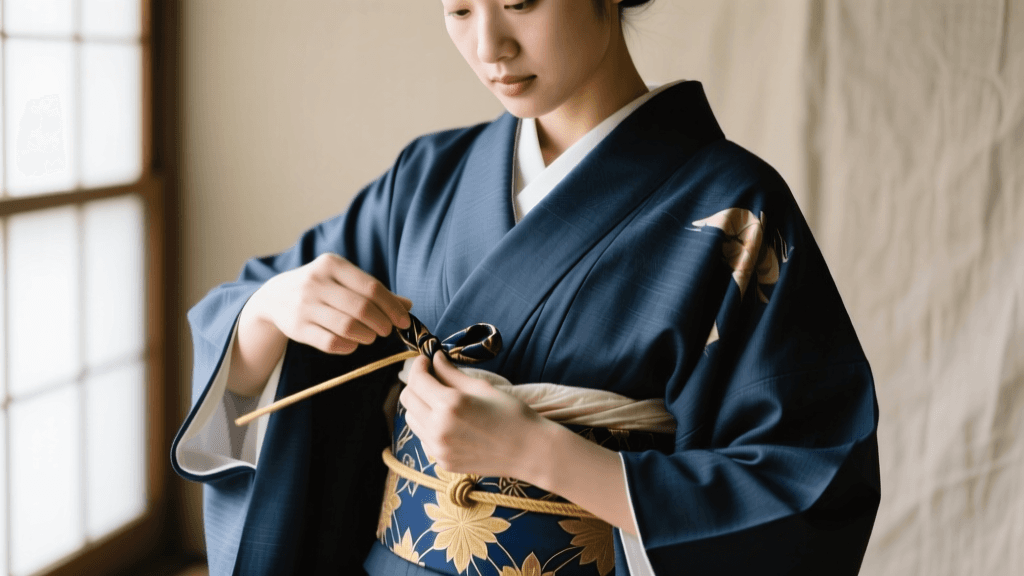
When creating kitsuke tutorial content, it is crucial to remember that viewers are often overwhelmed by the sheer number of accessories required. Successful vloggers break down the mechanics of dressing into digestible, modernized steps, often recommending beginner-friendly tools that yield professional, camera-ready results.
Essential Tools for the Modern Kitsuke Creator
- Magic Belt (Velcro Datejime): Traditional silk underbelts require precise tying. The 'Magic Belt' brand uses heavy-duty velcro and elastic, ensuring the kimono collar stays perfectly flush against the chest—a critical detail for high-definition video.
- Cotton Koshihimo (Waist Ties): Standard length is roughly 4 yards. Creators should demonstrate how to tie the knot at the side or back to avoid bulky lumps under the obi, which distort the silhouette on camera.
- Mesh Obi-ita (Obi Board): Essential for preventing the obi from wrinkling when the wearer sits or moves. Influencers should show viewers how to slide the board into the obi folds for a crisp, geometric front profile.
Viewers highly engage with content that solves common pain points, such as keeping the emonnuki (the back collar gap) perfectly spaced. Demonstrating the use of a specialized plastic emonnuki brace, rather than relying solely on tension, provides immense practical value to a beginner audience.
Capturing Textiles: Lighting Yuzen and Shibori
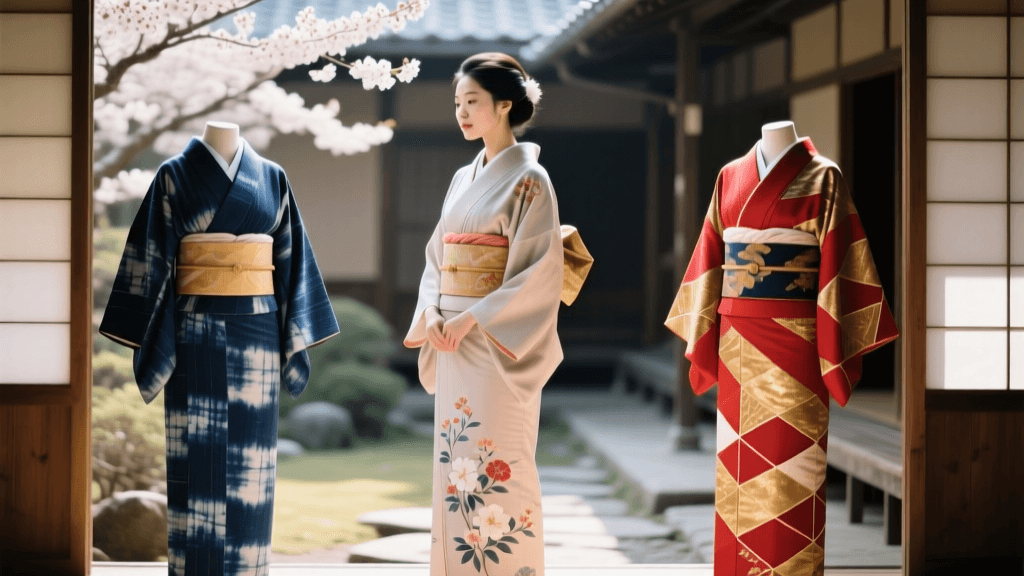
The visual appeal of a kimono vlog relies heavily on how well the textile's craftsmanship is captured on camera. Traditional dyeing and weaving techniques require specific lighting setups to truly shine. The Victoria and Albert Museum's extensive research on kimono craftsmanship highlights the incredible complexity of techniques like Yuzen (resist dyeing) and Shibori (intricate tie-dyeing), which involve multiple layers of color and texture.
When filming a Yuzen-dyed kimono, which often features delicate pictorial motifs and gold leaf accents, direct flash or harsh ring lights will cause severe glare, washing out the metallic elements and flattening the colors. Influencers should utilize large, diffused softboxes or shoot near a large window with sheer curtains to provide soft, directional light that catches the metallic threads without blowing out the exposure.
Conversely, Shibori textiles are defined by their three-dimensional, puckered texture. To capture the tactile nature of shibori on a 2D screen, creators must use side-lighting (raking light). Positioning the light source at a 45-degree angle to the fabric creates micro-shadows in the tied resist areas, allowing the camera sensor to capture the physical depth of the craftsmanship.
Fostering an Inclusive and Educated Community
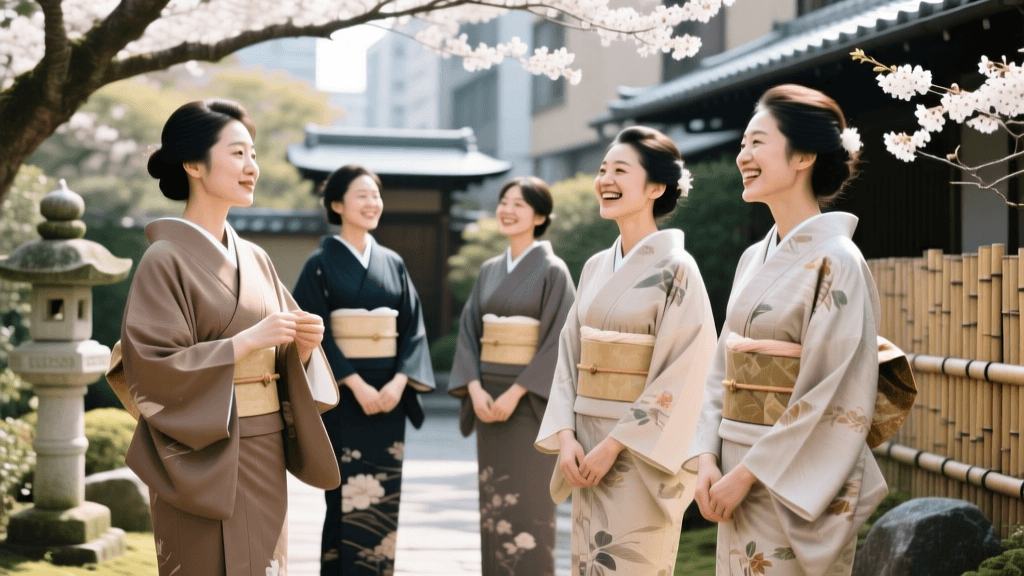
Perhaps the most vital role of the kimono influencer is acting as a cultural bridge. The online kimono community is highly international, comprising Japanese practitioners, diaspora communities, and global enthusiasts. Navigating the delicate line between cultural appreciation and appropriation requires transparency, continuous education, and a willingness to listen to native Japanese voices.
Successful community leaders establish clear guidelines in their comment sections, encouraging questions while gently correcting misinformation regarding the garment's history and proper etiquette. They collaborate with certified kitsuke-sensei (dressing teachers) and historians to ensure the information they disseminate is accurate. By highlighting the regional variations of kimono—such as the vibrant Kaga Yuzen of Ishikawa versus the bold, graphic Edo Komon of Tokyo—creators elevate their content from mere fashion showcases to rich, educational documentaries.
Monetization and Giving Back
As audiences grow, influencers often monetize through Patreon memberships offering exclusive, high-resolution pattern drafts, or by selling upcycled accessories (like obidome brooches made from damaged vintage obi) on Etsy. However, the most respected creators also use their platforms to support the traditional artisan economy in Japan, directing followers to authorized cooperatives, crowdfunding campaigns for aging master dyers, and sustainable rental businesses in Kyoto and Tokyo. Ultimately, the digital kimono community thrives when its creators view themselves not just as influencers, but as dedicated stewards of a living, breathing textile tradition.