How to Style a Japanese Haori for Everyday Casual Wear
The Evolution of the Haori: From Samurai to Streetwear
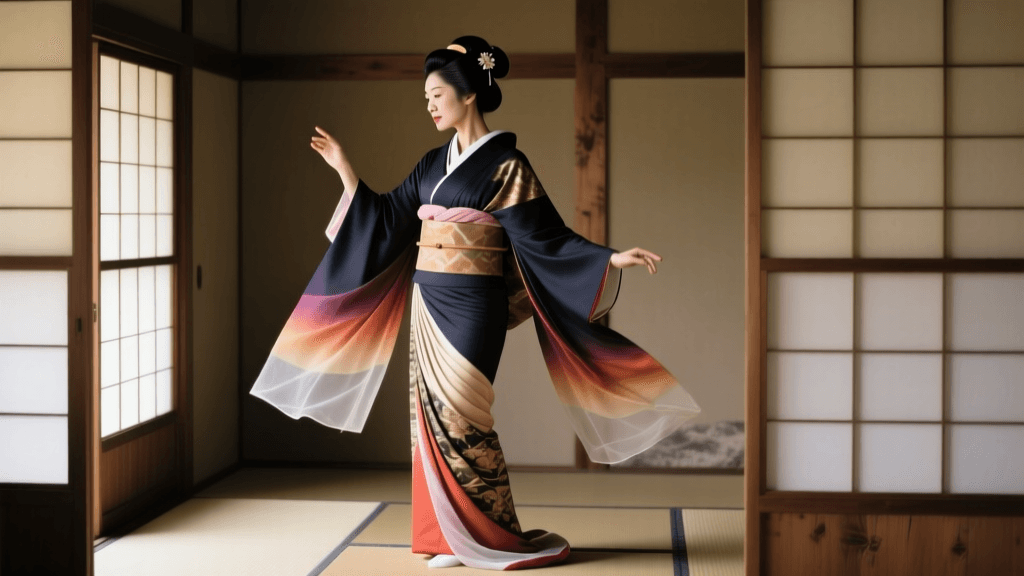
The haori is a traditional Japanese hip- or thigh-length jacket worn over a kimono. While historically reserved for formal occasions or specific classes, it has seamlessly transitioned into a staple of modern, everyday casual wear. Originally, the haori was worn by samurai warriors to protect their armor from the elements and to display their clan crests. However, during the Edo period (1603–1867), wealthy merchants adopted the garment, leading to an explosion of hidden luxury and intricate lining designs. According to the Metropolitan Museum of Art, the structural evolution of Japanese garments like the haori reflects a deep cultural shift from strict class-based sumptuary laws to expressive, individualized fashion.
Choosing the Right Haori for Casual Everyday Use
When integrating a haori into a contemporary Western wardrobe, fabric choice is paramount. Traditional formal haori are crafted from heavy, ornate silk crepe (chirimen) or brocade, which can be difficult to maintain and overly formal for a coffee run or casual office environment. For everyday wear, seek out haori made from cotton, linen, or lightweight wool.
Cotton haori, particularly those featuring kasuri (ikat) or komon (repeating micro-patterns), offer a breathable, relaxed aesthetic that pairs beautifully with denim and casual trousers. Linen haori are exceptional for summer months, providing a structured yet airy layer. Furthermore, vintage wool haori from the mid-20th century often feature subdued, earthy tones and geometric patterns that mimic modern menswear and womenswear tailoring.
Pro Tip: When shopping for a casual haori, look for unlined styles (hitoe) for spring and summer, and lightly lined styles (awase) for autumn and winter layering.
Essential Measurements and Sizing Guide
Unlike Western jackets that are tailored to the contours of the body with darts and curved seams, the haori is cut in straight lines from a single bolt of fabric. This means the fit is inherently forgiving and boxy. The shoulders are designed to drop naturally, and the sleeves are wide and open. To ensure your haori functions as a casual layer rather than a costume, pay close attention to the body length and sleeve span.
Below is a standard sizing chart to help you find the right vintage or modern haori based on your height and preferred fit. Measure a well-fitting jacket you already own and compare it to these traditional metrics.
| Size Category | Body Length (Back) | Shoulder Width (Yuki) | Sleeve Length | Best For Height |
|---|---|---|---|---|
| Petite / Short | 75 - 80 cm | 60 - 64 cm | 45 - 48 cm | Under 160 cm (5'3") |
| Standard / Medium | 80 - 88 cm | 64 - 68 cm | 48 - 52 cm | 160 - 175 cm (5'3" - 5'9") |
| Tall / Long | 88 - 95 cm | 68 - 72 cm | 52 - 56 cm | 175 - 185 cm (5'9" - 6'1") |
| Oversized / Maxi | 95 - 105 cm | 72+ cm | 56+ cm | Over 180 cm (5'11"+) |
For a modern, casual look, many wearers prefer a shorter length that hits right at the hip bone, allowing the haori to act similarly to a denim jacket or bomber. If you want a more dramatic, bohemian silhouette, opt for a longer length that grazes the mid-thigh.
Modern Styling: Pairing Haori with Western Clothing
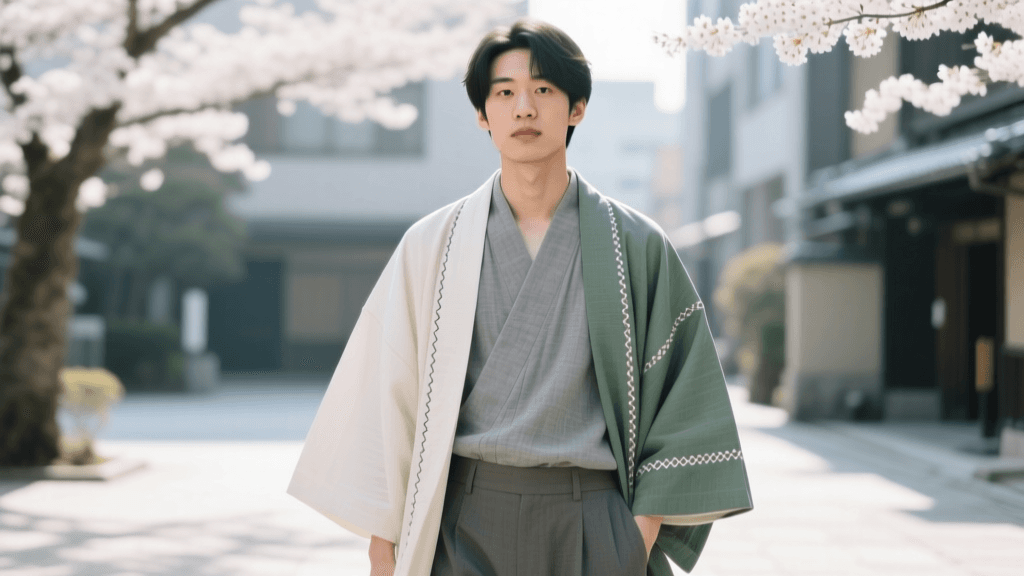
The true magic of the haori lies in its gender-neutral, versatile design. Because it lacks a lapel and features a straight collar, it frames the face elegantly while adding a layer of textural interest to basic outfits. Here are actionable styling combinations for everyday wear:
For a Casual Weekend Look
- The Denim Anchor: Pair a navy or indigo cotton kasuri haori with a crisp white t-shirt, straight-leg light-wash jeans, and white canvas sneakers. The indigo dye ties the garment to Western workwear aesthetics.
- The Turtleneck Layer: In cooler months, layer a wool haori over a fitted black or charcoal turtleneck. Add tailored chinos and Chelsea boots for a smart-casual ensemble suitable for creative offices or dinner dates.
- Over Maxi Dresses: For women, a lightweight, floral-print silk or rayon haori worn open over a solid-color slip dress creates a beautiful contrast between fluid Western draping and structured Japanese geometry.
Accessory Integration
You do not need to wear traditional tabi socks or zori sandals to complete the look. Modern leather loafers, combat boots, or minimalist sneakers work perfectly. Avoid wearing overly formal Western accessories like silk pocket squares or tie clips, as they clash with the relaxed, artisanal nature of the haori.
How to Wear and Tie the Haori Himo
The haori is traditionally secured at the front using a braided cord known as a haori himo. In formal settings, this cord is tied in a specific, symmetrical knot. However, for everyday casual wear, you have several options:
- The Open Drape: The most common modern styling method is to leave the haori completely unfastened, allowing it to swing open and reveal the garment worn underneath. This is ideal for showcasing a graphic tee or a patterned blouse.
- The Simple Knot: If it is windy or you prefer a closed silhouette, tie the himo in a simple square knot or a loose bow slightly off-center. This mimics the relaxed, effortless vibe of a cardigan.
- Alternative Closures: Many modern wearers replace the traditional himo with a decorative brooch, a leather clasp, or even a simple safety pin hidden on the inside to secure the collar without the bulk of a cord.
Cost, Sourcing, and Budgeting
Acquiring a haori for everyday wear does not require a massive investment. The global market for vintage Japanese textiles is robust, making it easy to find authentic pieces at reasonable prices. The Japan National Tourism Organization highlights the enduring legacy of regional textile crafts, many of which are preserved in these secondhand garments.
- Vintage Market (Online & Thrift): Expect to pay between $35 and $90 for a standard vintage cotton or wool haori on platforms like Etsy, eBay, or specialized Japanese vintage exporters. Look for sellers who provide exact flat-lay measurements.
- Modern Artisan Market: Newly manufactured haori made from premium Japanese cotton (like those from Okayama or Kurume) or authentic Oshima tsumugi silk will range from $150 to $400. These are excellent if you require pristine condition and modern sizing.
- Upcycled / Repurposed: Some contemporary brands sew haori from salvaged kimono silk. These cost around $100 to $250 and often feature modernized, shorter cuts.
Care and Maintenance for Longevity
Proper care ensures your haori remains a staple in your wardrobe for decades. The Victoria and Albert Museum recommends gentle, non-invasive conservation methods for historical Asian textiles, which translate well to home care for vintage garments.
- Washing: Never machine wash a silk or wool haori. For cotton and linen, hand wash in cold water with a mild, pH-neutral detergent. Do not wring the fabric; instead, roll it in a clean towel to absorb excess moisture and lay it flat to dry away from direct sunlight.
- Airing Out: After wearing, hang the haori on a wide, padded hanger in a well-ventilated area for a few hours to let odors and moisture dissipate before returning it to the closet.
- Storage: Store your haori in a cool, dry place. If storing for the season, wrap it in acid-free tissue paper or a breathable cotton garment bag. Avoid plastic bags, which can trap moisture and cause mildew or yellowing of the fibers.