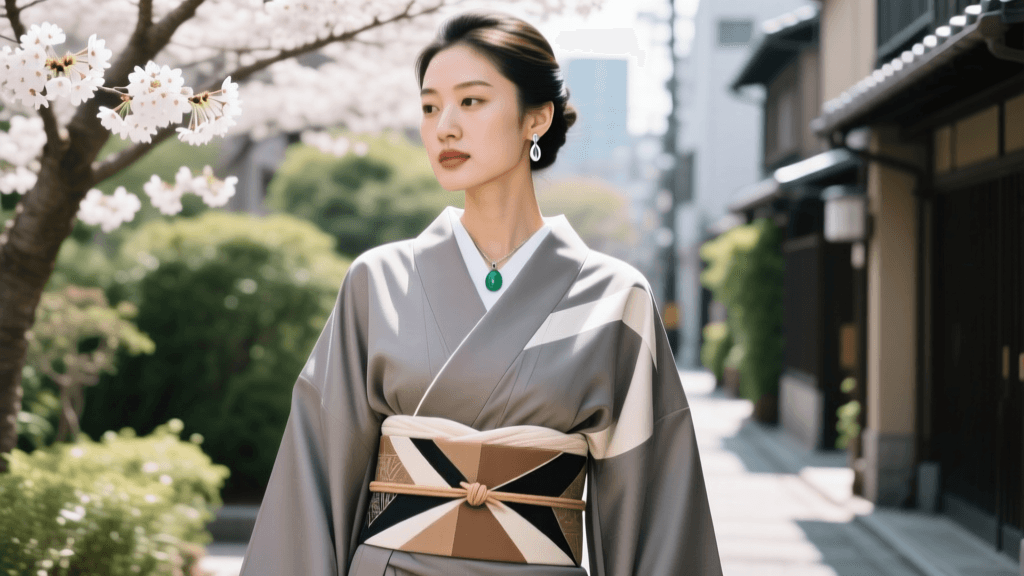
How to Start a Kimono Rental Shop: A Complete Guide
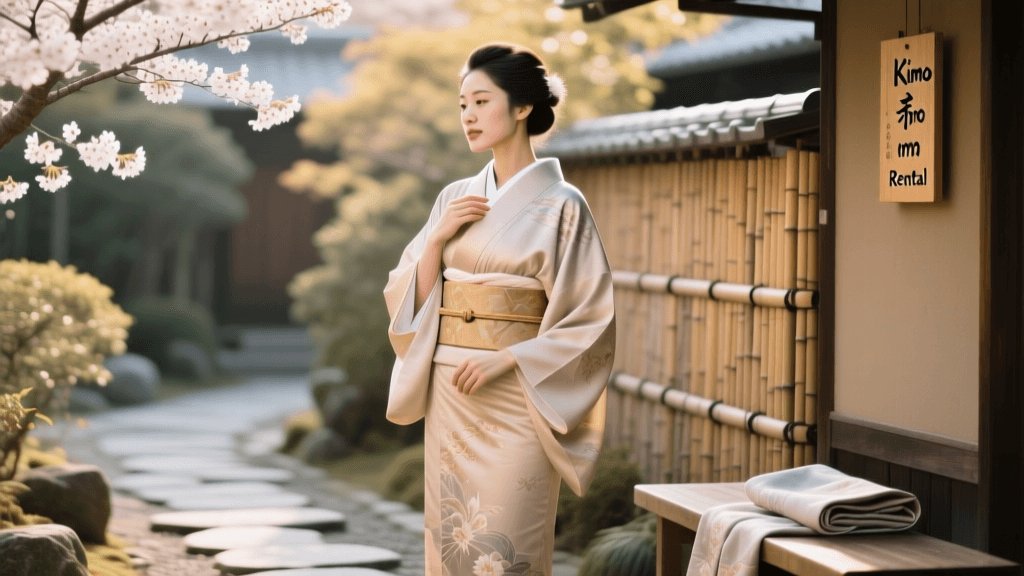
The Rise of Kimono Tourism and Cultural Immersion
The global fascination with Japanese culture has transformed traditional garment rentals into a highly lucrative sector within the Asian tourism industry. According to data from the Japan National Tourism Organization (JNTO), cultural immersion activities, particularly kimono dressing and strolling through historic districts, consistently rank among the top desired experiences for inbound travelers. Starting a kimono rental shop is not merely about handing out beautiful fabrics; it is a complex operational endeavor that requires a deep understanding of traditional Japanese dress codes, meticulous inventory management, and exceptional customer service logistics. This comprehensive guide will walk you through the foundational steps of launching and running a successful kimono rental business, from sourcing authentic garments to optimizing your shop layout for efficient dressing.
Location Strategy: Selecting the Right District
The success of a kimono rental shop is inextricably linked to its location. Your target demographic consists primarily of tourists seeking picturesque backdrops for photography and cultural experiences. Therefore, your shop must be situated within a 10 to 15-minute walking distance from major historical landmarks, shrines, or temples. In Kyoto, the Higashiyama district (near Kiyomizu-dera) and the Arashiyama bamboo grove area are prime locations. The Kyoto Official Travel Guide frequently highlights these areas as cultural hubs where traditional aesthetics are preserved, making them hotspots for rental foot traffic. In Tokyo, the Asakusa district surrounding Senso-ji Temple offers similar advantages. When signing a lease, ensure the ground-floor space has a wide storefront for display and, crucially, a minimum of 60 to 80 square meters (approx. 650 to 860 sq ft) to accommodate the necessary dressing stations, inventory storage, and customer waiting areas.
Inventory Acquisition and the Rules of Seasonality
Sourcing inventory requires balancing authenticity, durability, and cost. While purchasing brand-new, artisan-crafted kimono from wholesalers is ideal for premium tiers, it is financially prohibitive for a startup's entire catalog. Most successful rental shops source 80% of their inventory from high-quality 'recycle' (vintage) kimono auctions, specialized wholesale vintage dealers, and estate sales. When curating your collection, you must strictly adhere to Japanese seasonal rules to maintain cultural integrity and avoid customer dissatisfaction.
- Awase (Lined Kimono): Worn from October through May. These make up the bulk of your inventory for autumn, winter, and spring rentals.
- Hitoe (Unlined Kimono): Worn exclusively in June and September. You will need a smaller, specialized collection for these transitional months.
- Yukata and Ro/Sha (Sheer Fabrics): Worn during the peak heat of July and August. Yukata are cotton, casual, and much easier to dress customers in, making them highly profitable during summer festivals.
The Ministry of Economy, Trade and Industry (METI) actively supports the preservation of traditional crafts, and familiarizing yourself with their guidelines on regional textiles (like Kaga-yuzen or Nishijin-ori) can help you authenticate and price premium vintage pieces accurately.
The Complete Accessory Checklist
A kimono cannot be worn with just the outer garment and an obi (sash). A full dressing requires a specific architecture of undergarments and ties. For every kimono in your inventory, you must have a corresponding, sanitized accessory kit. A standard rental kit must include:
- Hadajuban & Susoyoke: The innermost cotton undergarments (top and skirt) worn directly against the skin. These must be washed after every single use.
- Nagajuban: The inner robe that protects the outer kimono from sweat and oils. Collars (han-eri) must be swapped and washed daily.
- Koshihimo: Long, thin cotton ties used to secure the kimono and nagajuban at the waist. (Minimum 3 per customer).
- Datejime: Wide, elasticized or silk ties used to flatten the layers before the obi is tied.
- Obi-ita & Obi-makura: A stiff board to keep the obi smooth, and a small pillow to give the obi knot (musubi) its three-dimensional shape.
- Obi-age & Obi-jime: The decorative silk sash and braided cord that secure and adorn the obi knot.
- Tabi & Zori: Split-toe socks and traditional sandals. Tabi are usually provided as disposable or washable stretch-fabric versions in rental shops for hygiene.
Table: Initial Inventory and Cost Estimates (Startup Phase)
| Item Category | Quantity Needed | Est. Unit Cost (USD) | Total Est. Cost (USD) | Notes |
|---|---|---|---|---|
| Casual Kimono (Komon/Yukata) | 150 pieces | $40 - $80 | $9,000 | Core inventory for daily tourists |
| Premium Kimono (Furisode/Homongi) | 30 pieces | $150 - $300 | $6,750 | For weddings, graduations, premium tiers |
| Obi (Sashes) | 100 pieces | $30 - $60 | $4,500 | Must coordinate with various kimono patterns |
| Full Accessory Kits | 80 sets | $45 | $3,600 | Includes all ties, boards, and pillows |
| Footwear (Zori & Stretch Tabi) | 100 pairs | $25 | $2,500 | Various sizes from 21cm to 28cm |
| Hair Accessories (Kanzashi) | 50 sets | $15 | $750 | Ornamental hairpins for updos |
*Note: Costs represent wholesale and vintage market averages. Initial inventory investment typically ranges between $25,000 and $40,000 for a medium-sized shop.
Shop Layout and Dressing Logistics
The physical flow of your shop dictates your daily revenue ceiling. The customer journey should be a one-way loop: Reception and Selection -> Changing Room -> Dressing Station -> Hair Styling -> Photography/Exit. The dressing station is the operational bottleneck. A professional kitsuke-shi (kimono dresser) takes approximately 15 to 20 minutes to dress a single customer in a standard komon kimono. Furisode (long-sleeved formal wear) can take up to 40 minutes.
To serve 40 customers a day with a comfortable turnover, you need a minimum of three dedicated dressing stations. Each station requires a full-length mirror, a sturdy step stool (essential for adjusting the hemline to the correct ankle height), and a rolling cart for the accessory kits. Furthermore, proper ventilation and climate control are non-negotiable; dressing in multiple layers of silk and cotton generates significant body heat, and a sweltering customer will lead to poor reviews and damaged garments from excess perspiration.
Pricing Strategy and Customer Packages
Structuring your pricing tiers allows you to capture both budget-conscious backpackers and luxury-seeking travelers. A standard pricing matrix includes:
- Base Package ($35 - $50): Includes standard kimono or yukata rental, basic obi tying (bunko or taiko musubi), basic accessories, and a drawstring bag (kinchaku) for personal items. Valid until 5:00 PM.
- Premium Package ($70 - $90): Upgrades the customer to a silk homongi or vintage meisen kimono, includes a more intricate obi knot, lace collar accessories, and a traditional umbrella (wagasa) rental.
- Hair Styling Add-on ($15 - $25): Professional updo utilizing traditional or modern kanzashi (hairpins). This is a high-margin add-on that requires a dedicated stylist and a separate styling chair.
- Photography Add-on ($50 - $100): A 30-minute guided outdoor photoshoot with a staff photographer, yielding 10-15 edited digital images.
Implement a strict late-return fee (e.g., $20 per hour) and a clear, transparent damage policy. While minor stains can be handled via maruarai (professional full-garment cleaning, costing around $40-$60 per piece), tears or cigarette burns must be covered by a damage waiver or a credit card hold taken at the time of booking.
Navigating Operations and Multilingual Support
Because the majority of your clientele will be international, multilingual operations are critical. Your booking engine must support English, Traditional and Simplified Chinese, and Korean. Staff members do not necessarily need to be fluent in all these languages, but they must be trained in 'kitsuke communication'—a standardized set of physical gestures and simple phrases used to guide customers through the dressing process (e.g., 'Please raise your arms,' 'Breathe in,' 'Look down').
Marketing should heavily leverage visual platforms like Instagram, TikTok, and Xiaohongshu (for the Chinese market). Partnering with local boutique hotels and ryokan to offer exclusive discount codes can also guarantee a steady stream of referrals. Finally, invest in a robust digital inventory management system that tracks which specific kimono and obi are currently out on rental, when they are due back, and flags items that are due for professional dry cleaning or minor tailoring repairs. By marrying the ancient art of Japanese garment layering with modern retail logistics, your kimono rental shop can become a cornerstone of the cultural tourism experience.