The Ultimate Care Guide for Silk and Brocade Hanfu
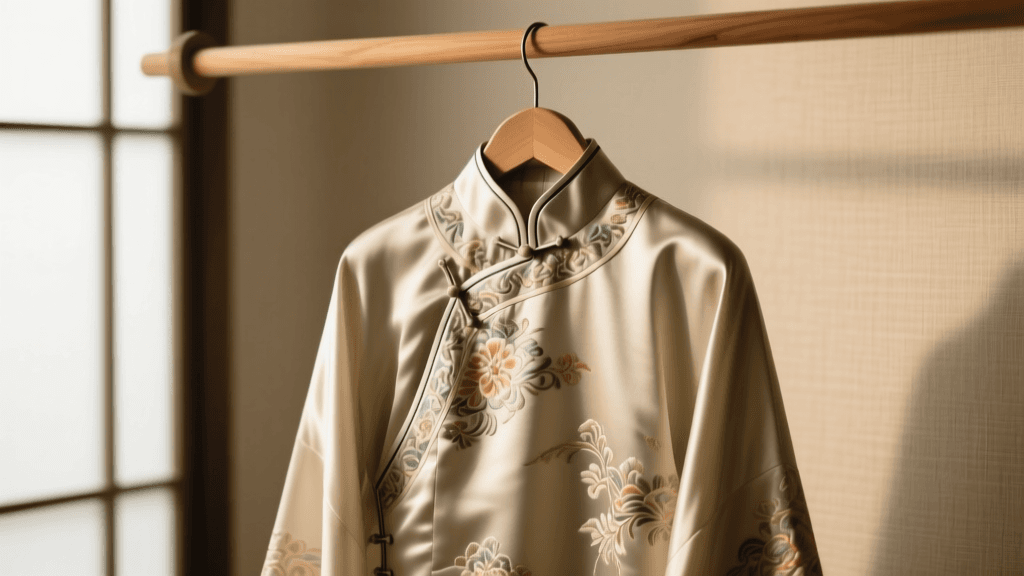
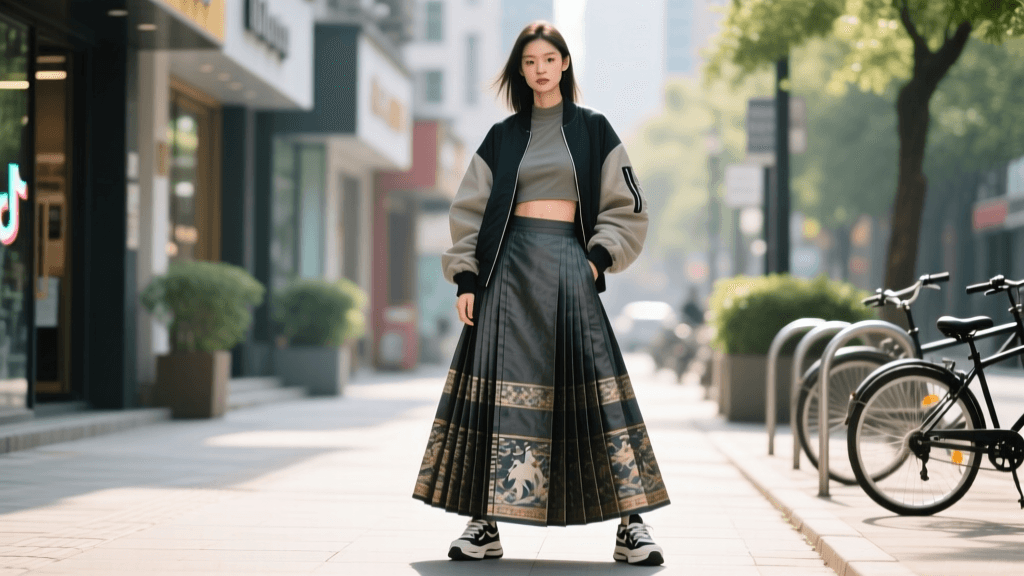
Investing in traditional Chinese garments like hanfu, qipao, and mamianqun (horse-face skirts) is an investment in cultural heritage and artisanal craftsmanship. However, the exquisite fabrics used in these garments—ranging from delicate mulberry silk to heavy metallic brocades—require specialized care to maintain their structural integrity and vibrant dyes. Improper washing, harsh chemicals, and incorrect storage can lead to irreversible damage, including fiber degradation, color bleeding, and permanent creasing.
This comprehensive care guide provides practical, actionable advice for maintaining your traditional Asian wardrobe, ensuring your garments remain pristine for generations.
Understanding Your Traditional Fabrics
Before reaching for a washbasin, it is crucial to identify the fiber content of your garment. Traditional Chinese textiles generally fall into three main categories:
1. Mulberry Silk (Sangcan Si)
Silk is a natural protein fiber produced by silkworms. It is highly breathable, possesses a natural luster, and drapes beautifully. However, because it is protein-based, it is highly susceptible to damage from alkaline detergents, enzymatic stain removers, and prolonged exposure to ultraviolet (UV) light.
2. Xiangyunsha (Gambiered Canton Gauze)
A masterpiece of Lingnan craftsmanship, Xiangyunsha is woven from silk yarn and dyed using the tannin-rich juice of the Dioscorea cirrhosa plant, then coated with iron-rich river mud. This creates a unique, rustling fabric with a dark, earthy hue. The chemical reaction between the tannins and iron means this fabric must never be exposed to alkaline soaps or acidic stain removers, which can strip the mud coating and ruin the dye.
3. Zhuanghua (Nanjing Brocade) and Heavy Weaves
Brocades often feature complex jacquard weaves and incorporate metallic threads (gold or silver foil wrapped around silk cores). These heavy, structured fabrics are prone to snagging and water-spotting, and the metallic threads will tarnish or break if submerged in water.
The Washing Protocol: Hand-Washing vs. Dry Cleaning
While modern convenience tempts many to use washing machines, traditional garments require a gentler touch. According to the Canadian Conservation Institute, protein fibers like silk degrade rapidly when exposed to the mechanical agitation and high pH levels of standard laundry detergents.
When to Hand-Wash
Hand-washing is suitable for plain silk, cotton-linen blends, and lightly soiled everyday hanfu (like Song dynasty beizi or Ming dynasty Aoqun tops).
- Water Temperature: Use cool to lukewarm water, strictly between 20°C and 30°C (68°F - 86°F). Hot water will cause silk fibers to shrink and dyes to bleed.
- Detergent Selection: Use a pH-neutral, enzyme-free delicate wash. Products like Eucalan Fine Fabric Wash or Soak Wash are ideal. Avoid standard biological detergents, as the enzymes designed to break down food stains will also break down silk proteins.
- Technique: Submerge the garment and gently agitate the water with your hands. Let it soak for a maximum of 3 to 5 minutes. Never twist, wring, or scrub the fabric.
When to Dry Clean
Professional dry cleaning is mandatory for Xiangyunsha, heavily embroidered pieces, lined winter garments, and any hanfu or qipao featuring metallic brocade or Zhuanghua weaves. Expect to pay between $25 and $50 per garment for specialized dry cleaning, depending on the complexity and embellishments. Always point out any delicate metallic threads or vintage dyes to the cleaner.
Drying and Ironing Techniques
How you dry and press your garments is just as critical as how you wash them.
Drying Protocols
Never use a mechanical tumble dryer, as the heat and friction will destroy silk fibers and cause severe shrinkage. Instead, lay the wet garment flat on a clean, dry microfiber towel. Roll the towel and garment together like a sleeping bag to gently press out excess water. Unroll and lay the garment flat on a mesh drying rack in a well-ventilated, shaded area.
Avoid direct sunlight at all costs. As noted by The Metropolitan Museum of Art's Textile Conservation Department, UV radiation causes photo-oxidation in silk, leading to irreversible yellowing and fiber embrittlement.
Ironing and Steaming
Silk and brocade should be ironed while they are still slightly damp, or by using a high-quality garment steamer. If using an iron:
- Set the iron to the 'Silk' setting, typically around 110°C (230°F).
- Always iron on the reverse side of the fabric to prevent creating a shiny 'glaze' on the surface.
- Use a white cotton pressing cloth between the iron and the garment to protect delicate embroidery and prevent water-spotting from the iron's steam vents.
Storage Solutions for Longevity
Proper storage prevents structural stress, pest damage, and moisture buildup. The National Trust advises against using wire hangers for heavy historical garments, as the concentrated weight can permanently distort shoulder seams and tear delicate fabrics.
Essential Storage Materials
- Padded Wooden Hangers: Invest in wide, padded hangers (approx. $15-$25 each) for structured tops and qipao. For heavy mamianqun, use clip hangers with wide, padded jaws, or fold them to avoid stretching the waistband.
- Acid-Free Tissue Paper: Stuff the sleeves and bodice with unbuffered, acid-free tissue paper to maintain shape and prevent hard creases.
- Cedar Blocks and Lavender Sachets: Avoid traditional mothballs (naphthalene), which leave a toxic residue and can melt synthetic embellishments. Use natural cedar blocks to repel pests, sanding them lightly every six months to refresh the oils.
Fabric Care Comparison Chart
| Fabric Type | Wash Method | Iron Temp | Storage Requirement | Est. Dry Clean Cost |
|---|---|---|---|---|
| Mulberry Silk | Hand wash (pH-neutral) | 110°C (230°F) | Padded hanger, breathable cotton bag | $15 - $25 |
| Xiangyunsha | Hand wash (cold, no soap) | 110°C (230°F) | Flat fold, acid-free tissue | $25 - $40 |
| Brocade / Zhuanghua | Dry Clean Only | Do not iron directly | Flat fold, cedar blocks | $30 - $50 |
| Cotton / Linen Blend | Machine (gentle, mesh bag) | 150°C (300°F) | Wide wooden hanger | $10 - $15 |
Seasonal Maintenance: Surviving the Humidity
In many parts of Asia, and indeed in humid climates globally, the 'Plum Rain' (Meiyu) season brings prolonged periods of high humidity that can lead to mildew on silk garments. To combat this, schedule a 'wardrobe airing' day during dry, breezy autumn weeks. Remove your garments from their storage bags, gently shake them out, and let them breathe in a shaded, well-ventilated room for a few hours before repacking them with fresh silica gel desiccant packets. Never store silk in plastic dry-cleaning bags, as trapped moisture will cause yellowing and mildew growth.
Dealing with Stains and Repairs
If you spill food or oil on your silk hanfu, act immediately but gently. Blot the stain with a clean, dry microfiber cloth. For water-based stains, a light dab with distilled water and a drop of vegetable glycerin can help lift the mark. Avoid rubbing, as this will fray the silk fibers and cause 'fuzzing'.
For complex stains, tears, or structural damage to antique or high-end qipao, do not attempt DIY repairs. Consult a professional textile conservator who specializes in Asian garments. They possess the specialized dyes and stitching techniques required to restore historical textiles without compromising their integrity.
By treating your hanfu and qipao with the respect and specialized care they demand, you ensure that these beautiful expressions of Asian tradition remain vibrant, wearable, and ready to be passed down through the generations.