Traditional Japanese Festival Costumes: Happi Guide
The Heartbeat of Matsuri: Introduction to the Happi Coat
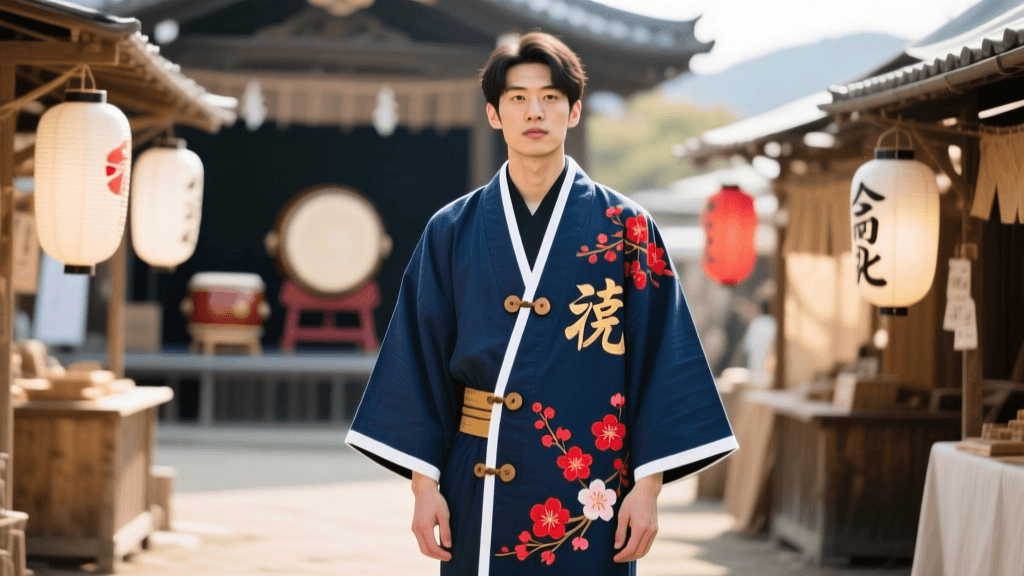
Japanese festivals, known as matsuri, are a vibrant explosion of culture, sound, and movement. At the center of these spectacular events are the performers, shrine carriers, and dancers who bring the traditions to life. While the elaborate floats and sacred shrines capture the eye, the unifying visual element of the participants is often the happi coat. This iconic, straight-sleeved garment is the quintessential Japanese festival performance costume, blending historical utility with striking visual design. Whether you are a cultural enthusiast, a festival participant, or a costume designer, understanding the happi coat is essential to appreciating Japanese festival culture.
Historical Origins: From Firefighters to Festival Icons
The happi coat traces its roots back to the Edo period (1603-1867). Originally, it was not a festival garment but a practical piece of workwear. The earliest iterations were worn by firefighters (hikeshi) and servants. The garment was designed to be lightweight, allowing for a full range of motion, which was critical for the dangerous and physically demanding work of extinguishing fires in densely packed wooden cities. Over time, merchants and shopkeepers began adopting the happi, stamping their family crests (mon) or shop kanji on the back to serve as a uniform and a walking advertisement.
As Japan modernized during the Meiji and Taisho eras, the utilitarian need for these specific work coats diminished, but their cultural resonance grew. They transitioned into the celebratory realm, becoming the standard uniform for neighborhood associations (chokai) participating in local shrine festivals. Today, as noted by the Japan Guide's comprehensive overview of Matsuri, the happi is synonymous with community spirit and festive energy across the country.
Anatomy and Craftsmanship of the Happi
A traditional happi is a T-shaped, straight-sleeved coat that typically falls to the mid-thigh or just above the knee. Unlike the more formal kimono, the happi is unlined (or lightly lined in specific regions) and features a simple, open front that is secured with a thin belt or sash.
Materials and Dyeing Techniques
Authentic festival happi are crafted from high-quality cotton (momen), chosen for its breathability and ability to absorb sweat during strenuous summer performances. The most prized traditional happi feature aizome (natural indigo dye). The deep, rich blue of the indigo not only looks striking but also possesses natural insect-repellent and odor-masking properties, making it ideal for outdoor summer festivals.
The striking designs on the back and lapels are often created using tsutsugaki, a traditional rice-paste resist dyeing technique. Artisans draw intricate patterns, kanji characters, and family crests onto the cotton using a cone filled with rice paste. Once the paste dries, the fabric is dipped in indigo vats. The paste resists the dye, leaving crisp, white designs against the deep blue background once the paste is washed away.
Happi vs. Hanten vs. Yukata: A Comparative Guide
It is common for outsiders to confuse the happi with other traditional Japanese garments. Below is a structured comparison to help you identify the correct performance costume for your needs.
| Garment | Primary Use | Material & Lining | Silhouette & Length |
|---|---|---|---|
| Happi | Festival performances, shrine carrying, dancing | Cotton, unlined or very light lining | Open front, mid-thigh to knee length, wide sleeves |
| Hanten | Casual winter loungewear, warmth | Cotton, heavily padded with cotton batting | Open front, hip length, narrower sleeves |
| Yukata | Summer festivals (as an attendee), hot springs, lounging | Lightweight cotton, unlined | Full-length robe, wrapped and secured with a wide obi |
Regional Festival Variations
The design of a happi coat is deeply tied to the specific festival and region it represents. According to cultural archives preserved by institutions like the Kyoto National Museum, regional textiles tell the story of local deities and historical guilds.
- Awa Odori (Tokushima): Dancers wear lightweight, often brightly colored or patterned happi, sometimes worn off one shoulder to allow for the dynamic, sweeping arm movements characteristic of the 'Fool's Dance'.
- Nebuta Matsuri (Aomori): Participants pulling the massive illuminated floats wear dark, indigo-dyed happi adorned with fierce, sweeping brushstroke kanji, paired with straw sandals (waraji) and floral hats.
- Gion Matsuri (Kyoto): The men who pull the massive yamaboko floats wear crisp, white or indigo happi featuring the specific crest of their float's neighborhood association, projecting an air of solemn pride and physical endurance.
Practical Buying Guide: Sizing, Costs, and Sourcing
If you are looking to purchase a happi for a performance, cosplay, or cultural event, understanding the market is crucial. The Japan National Tourism Organization (JNTO) frequently highlights local craft shops as the best places to find authentic regional garments.
Sizing and Measurements
Unlike Western clothing, traditional happi are often sold in 'Free Size' (One Size). However, they do come in standard length variations. Standard length is typically 75 cm to 85 cm (approx. 30 to 33 inches), falling mid-thigh. Long length options can reach 95 cm (approx. 37 inches), falling just above the knee. The width is generally generous, with a chest circumference of around 110 cm to 120 cm, designed to be worn loosely over other garments.
Cost Expectations
- Mass-Produced / Souvenir Grade ($20 - $45): Made from polyester-cotton blends or synthetic fabrics. The designs are screen-printed rather than dyed. These are suitable for one-off costume parties or casual wear but lack the breathability required for actual dance performances.
- Standard Festival Grade ($60 - $150): Made from 100% cotton with dyed patterns (often using modern vat dyes rather than natural indigo). These are the standard issue for neighborhood festival associations and are highly recommended for active performers.
- Artisanal / Traditional Grade ($200 - $500+): Hand-woven cotton, naturally dyed with aizome (indigo), and featuring hand-applied tsutsugaki rice-paste resist designs. These are heirloom pieces, often custom-ordered by festival guilds.
How to Wear and Style Your Happi for Performance
Wearing a happi correctly is essential for both aesthetics and mobility during a performance. The coat is worn open at the front, revealing the undergarments, which are a crucial part of the overall costume.
Undergarments and Layering
For men, the traditional undergarment is a sarashi (a long strip of white cotton cloth wrapped tightly around the torso) or a haramaki (a belly warmer). In modern festivals, a plain white or black tight-fitting t-shirt or compression shirt is widely accepted. For women, a sarashi is also traditional, though modern performers often wear a modest camisole or sports top underneath. The lower half is typically paired with tobi trousers (baggy pants that taper tightly at the calf) or simple cotton drawstring pants.
Securing the Coat
The happi is secured using a thin cotton sash called a himo or a narrow obi. Tie the sash firmly at the front or side in a simple square knot. Ensure the knot is tight enough to keep the coat from flying open during vigorous dancing, but loose enough to allow for deep diaphragmatic breathing.
Care and Maintenance of Festival Garments
Proper care ensures your happi lasts for many festival seasons. If your coat is dyed with natural indigo, do not wash it with detergent for the first few washes, as the dye will bleed heavily. Instead, soak it in cold water with a cup of white vinegar to set the color. For standard vat-dyed cotton happi, machine wash on a gentle, cold cycle using a mild, bleach-free detergent. Never tumble dry; the intense heat will shrink the cotton and warp the collar. Always hang dry in the shade, as direct sunlight will fade the vibrant festival colors over time.
'The happi is not merely a piece of cloth; it is the skin of the community. When a neighborhood puts on their matching coats, individual egos dissolve, and the collective spirit of the matsuri takes over.'
— Japanese Folklore and Textile Historian
Whether you are pulling a multi-ton float through the streets of Kyoto or dancing the Awa Odori in Tokushima, the happi coat remains the ultimate symbol of Japanese festival performance. By understanding its history, respecting its craftsmanship, and wearing it correctly, you honor the centuries of tradition woven into every thread.