Okinawan Ryusou and Bingata: Regional Garments of Ryukyu
The Distinctive Sartorial Heritage of the Ryukyu Islands
Japan’s sartorial heritage is often globally synonymous with the mainland kimono, yet the southern Ryukyu Islands—modern-day Okinawa Prefecture—boast a radically different, deeply fascinating textile tradition. Shaped by a subtropical climate and centuries of maritime trade with China, Southeast Asia, and mainland Japan, Okinawan traditional garments, collectively known as Ryusou, offer a vibrant counter-narrative to the layered, restrictive silhouettes of Kyoto and Edo. For collectors, cultural enthusiasts, and travelers, understanding the regional variations of Ryusou and its iconic Bingata dyeing technique provides a vital window into the soul of the Ryukyu Kingdom.
The Anatomy of Ryusou: Okinawa’s Answer to the Kimono
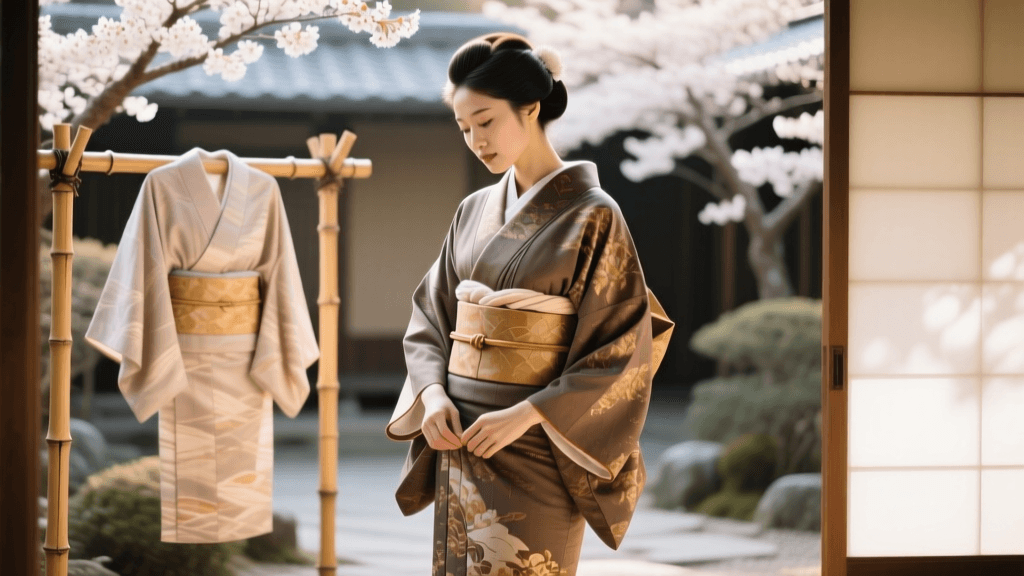
Unlike the mainland kimono, which relies on heavy silks and multiple under-layers, the Ryusou is explicitly designed for breathability and ease of movement in a humid, tropical environment. The silhouette is notably looser, featuring wider sleeves that allow for air circulation and quick evaporation of perspiration. The collar is generally worn open and relaxed, contrasting sharply with the tightly pulled, stiff collars of mainland Japanese formal wear. Furthermore, the obi (sash) is tied much simpler, often secured at the front or side with a slender woven belt, eliminating the need for the rigid padding and complex knots required in mainland traditions.
Bingata: The Resist-Dyed Masterpiece of the Ryukyus
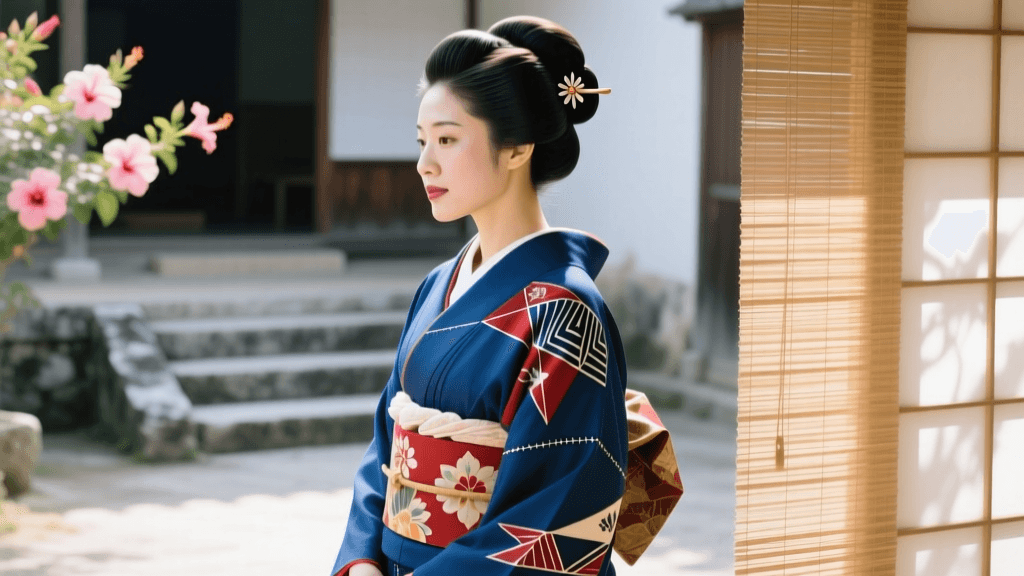
The crown jewel of Ryukyuan fashion is Bingata, a resist-dyeing technique characterized by its explosive, high-contrast colors and dynamic motifs. Historically, the strict sumptuary laws of the Ryukyu Kingdom dictated who could wear specific colors and patterns. Brilliant safflower reds, deep indigos, and vibrant yellows were reserved exclusively for royalty and high-ranking nobles in the capital of Shuri, while commoners were restricted to muted navy and pale blues. Motifs heavily reflect Okinawa’s natural environment and foreign influences, featuring indigenous hibiscus flowers, palm fronds, ocean waves, and Chinese-inspired dragons and phoenixes.
The meticulous process involves cutting intricate patterns into mulberry paper stencils, applying a rice-paste resist, and hand-painting the dyes into the fabric. According to the Okinawa Convention & Visitors Bureau, the preservation of Bingata today relies on a dedicated network of artisans who continue to use traditional plant-based dyes and hand-carved stencils, ensuring the craft survives in an era of mass production.
Regional Variations Across the Archipelago
Okinawa is not a monolith; its outer islands possess distinct weaving and dyeing traditions that reflect local resources and historical roles within the kingdom. Below is a comparison of the primary regional variations in Ryukyuan textiles and garments:
| Region / Island | Primary Textile | Garment Characteristics | Historical Context |
|---|---|---|---|
| Shuri (Okinawa Main) | Bingata (Silk/Ramie) | Bright colors, dragon/cloud motifs, wide sleeves | Royal court attire, strict sumptuary laws |
| Naha & Merchant Towns | Bingata (Cotton/Ramie) | Muted colors, floral motifs, simpler stencils | Worn by wealthy merchants and artisans |
| Ogimi (Northern Okinawa) | Bashofu (Banana Fiber) | Earthy tones, subtle stripes, highly breathable | Everyday wear for commoners and farmers |
| Miyakojima & Yaeyama | Miyako Jofu / Yaeyama Jofu | Intricate kasuri (ikat) patterns, crisp ramie | Tribute cloth paid to the Ryukyu Kingdom |
Beyond Bingata, the outer islands are renowned for their exceptional woven textiles. Bashofu, woven from the fibers of the Japanese banana plant, is a lightweight, linen-like fabric primarily produced in Ogimi Village. Similarly, Miyako Jofu, originating from Miyakojima, is a premium ramie cloth known for its intricate kasuri (ikat) patterns. The Okinawa Prefectural Museum & Art Museum houses an extensive collection of these regional textiles, showcasing how tribute cloth from the outer islands was transformed into elite garments in the capital.
Traditional Accessories: The Jīfā and Hanagasa
No Ryusou ensemble is complete without its traditional accessories, which also vary heavily by region and social class. The most iconic is the jīfā (hairpin), historically used to secure the topknot. The material of the hairpin—ranging from gold and silver to brass and tortoiseshell—immediately signaled the wearer's rank within the Ryukyu Kingdom's complex hierarchy. Today, modern wearers often pair their Ryusou with a decorative hair comb featuring Bingata motifs or carved coral, a local Okinawan specialty.
For formal dance performances and festivals, the hanagasa (flower hat) is essential. Originating from the Yaeyama islands, these intricately woven hats are adorned with vibrant red and pink paper flowers, symbolizing the hibiscus, and are designed to catch the subtropical breeze while shading the dancer's face. When purchasing a complete ensemble, budget an additional ¥10,000 to ¥25,000 for high-quality, locally crafted hair accessories and woven belts to ensure your silhouette is historically grounded and visually balanced.
Practical Guide: Acquiring, Wearing, and Caring for Ryusou
For those looking to integrate Ryusou or Bingata into their wardrobe or collection, navigating the market requires specific knowledge of costs, measurements, and timing.
Measurements and Tailoring
Ryusou is tailored to be forgiving, but custom orders require precise baseline measurements. You will need your height, arm span (yuki), and hip circumference. Unlike mainland kimono, the width is cut generously to drape loosely over the body. When wearing a Ryusou, the hem should fall just above the ankle to prevent tripping and to maximize airflow.
Cost Expectations and Investment Tiers
- Machine-Printed Bingata (Yukata-style): ¥15,000 - ¥30,000. Ideal for casual summer festivals and souvenirs.
- Hand-Dyed Bingata (Cotton/Ramie): ¥150,000 - ¥300,000. Suitable for formal events, tea ceremonies, and serious collectors.
- Master-Weaver Bashofu or Antique Silk Bingata: ¥500,000 to over ¥2,000,000. Museum-grade investments requiring climate-controlled storage.
Timing for Custom Orders
If you are commissioning a hand-dyed Bingata garment, expect a timeline of 4 to 8 months. The process requires immense patience; the rice paste must dry completely between color applications, and the mulberry paper stencils are hand-carved by master artisans. Planning ahead is essential if you require the garment for a specific milestone event.
Where to Buy Authentic Pieces
When shopping in Okinawa, focus your efforts on Naha’s Kokusai Dori and the Tsuboya Pottery Street, where specialized textile boutiques are concentrated. Always look for the official certification mark of the Okinawa Bingata Business Cooperative Association to guarantee authenticity. As highlighted by the Japan National Tourism Organization, engaging directly with certified workshops not only guarantees a genuine product but also financially supports the continuation of this intangible cultural heritage.
Care and Maintenance
Never wash authentic hand-dyed Bingata or delicate Bashofu in a machine. Spot clean minor stains with a damp cloth and take the garment to a specialized kimono cleaner (arai-hari specialist) who understands Ryukyuan dyes, which can be highly sensitive to alkaline detergents. Store the garments flat, wrapped in acid-free tatou paper, away from direct sunlight to prevent the vibrant safflower reds and indigos from fading.
Conclusion
The Ryusou and Bingata textiles of Okinawa represent a vibrant, regional divergence from mainland Japanese fashion. Born of subtropical necessity and enriched by international trade, these garments are living testaments to the resilience and artistry of the Ryukyuan people. Whether you are admiring the intricate kasuri of Miyakojima or investing in a hand-stenciled Shuri Bingata, understanding these regional variations ensures a deeper, more respectful engagement with one of Asia’s most unique sartorial traditions.