Tang Dynasty Hanfu: Silk Road Cross-Cultural Fashion Guide
The Silk Road's Sartorial Revolution
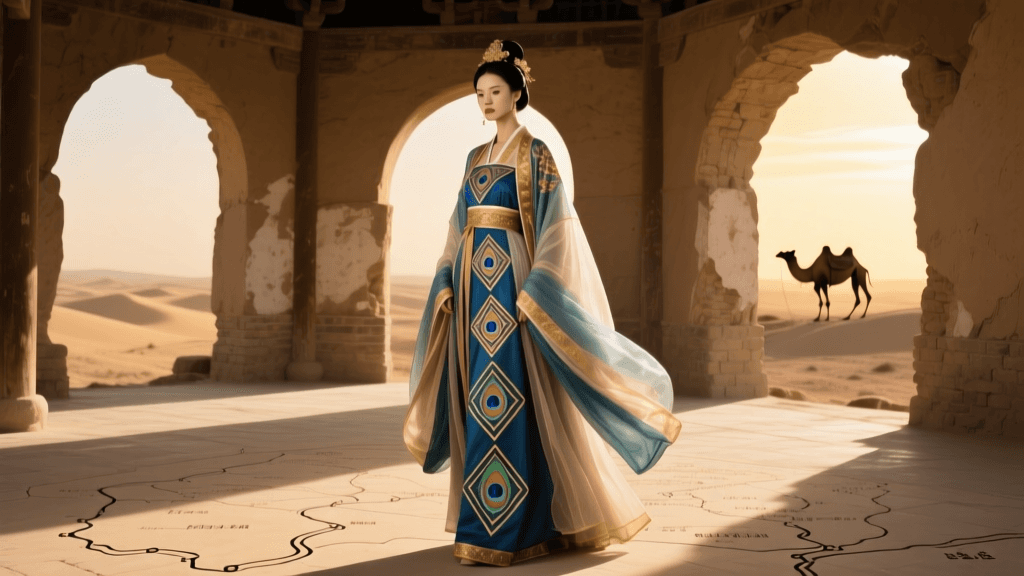
The Tang Dynasty (618–907 CE) represents a golden age of Chinese cosmopolitanism, largely driven by the bustling trade networks of the Silk Road. As merchants, diplomats, and artisans from Central Asia, Persia, and the Sogdian city-states converged on the capital of Chang'an, they brought more than just spices and precious metals; they brought a sartorial revolution. According to the UNESCO Silk Roads Programme, this era was defined by an unprecedented fluidity of cultural exchange, where indigenous Han Chinese clothing traditions merged with the practical, vibrant styles of the Western Regions. For modern Hanfu enthusiasts and historians alike, understanding Tang Dynasty fashion requires looking beyond traditional borders to the cross-cultural influences that redefined Asian textile history.
Key Garments Born from Cross-Cultural Exchange
The Yuanlingpao (Round-Collar Robe)
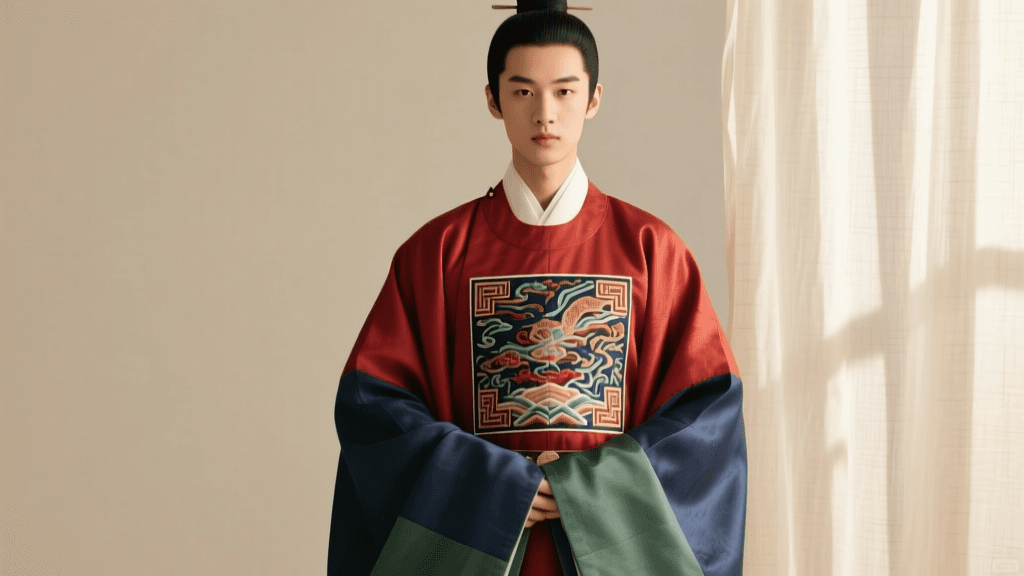
Before the Tang Dynasty, traditional Han clothing was dominated by the cross-collar (jiaoling) style. However, the introduction of the Yuanlingpao (round-collar robe) marked a significant shift. Originally adapted from the nomadic Xianbei and Sogdian tribes, the round collar was highly practical for horseback riding and the harsher climates of the steppes. During the Tang era, the Yuanlingpao was adopted by the Han elite and eventually became the standard official attire for men and a fashionable, gender-fluid statement piece for women. A unique cross-cultural quirk of the Tang Yuanlingpao was the lapel fastening: while traditional Han clothing strictly fastened right-over-left, Tang nobles often adopted the 'Hu' (foreign) style of fastening left-over-right for casual or equestrian wear, symbolizing their embrace of Silk Road cosmopolitanism.
The Banbi (Half-Sleeve Jacket)
Another staple born from this era of exchange is the Banbi, a half-sleeved jacket worn over long-sleeved inner garments. The Banbi's origins are deeply tied to the military and equestrian garments of Central Asian nomads, designed to allow freedom of movement for the arms during archery and falconry. In Tang society, women layered silk Banbi over their delicate long-sleeved ruqun (blouse and skirt) ensembles, creating a striking visual contrast of structured, foreign-inspired outerwear over fluid, indigenous Han silhouettes.
Textiles and Motifs: Sogdian and Persian Influences
The visual language of Tang Dynasty textiles was profoundly altered by Persian and Sogdian weavers. The most iconic motif of this era is the pearl roundel (lianzhu wen)—a circular border of pearls enclosing confronting animals like peacocks, boars, or lions. As noted by The Metropolitan Museum of Art's Heilbrunn Timeline of Art History, these Sasanian Persian motifs were woven into Chinese silks using a complex weft-faced compound twill technique (samite), which was introduced to China by Central Asian artisans. This technique allowed for denser, more durable fabrics with vibrant, contrasting colors that became the hallmark of Tang luxury. Furthermore, the introduction of cotton and fine wools from the Western Regions expanded the Tang wardrobe beyond traditional silk and hemp, providing warmer, more structured options for winter garments.
Footwear and Accessories: The Steppe Influence
No Tang ensemble was complete without accessories that reflected the equestrian culture of the Silk Road. Traditional Han cloth shoes were frequently replaced or supplemented by Xue (leather riding boots) with upturned toes, a direct import from Turkic and Sogdian horsemen. Additionally, the traditional silk sash was often swapped for heavy leather belts adorned with jade, gold, or bronze plaques featuring Central Asian geometric and animal motifs. These belts were not just decorative; they served a functional purpose for suspending swords, pouches, and riding gear, blending martial utility with courtly elegance.
Buyer’s Guide: Sourcing Authentic Tang-Style Hanfu Today
For modern revivalists looking to accurately recreate Tang Dynasty Silk Road fashion, attention to historical detail, fabric choice, and tailoring is paramount. Here is a practical guide to sourcing and commissioning these garments.
1. Product Selection and Fabric Weights
- Yuanlingpao (Round-Collar Robe): Opt for 16mm to 19mm silk twill or woven brocade for autumn/winter wear. For summer, a 10mm silk-cotton blend provides structure while allowing breathability. Expect to pay $120–$250 for authentic woven pearl-roundel brocades from specialized heritage brands.
- Banbi (Half-Sleeve Jacket): Look for 8mm silk chiffon or lightweight damask (Ling). These should drape softly over the shoulders. Budget $45–$85 for high-quality pieces.
- Poqun (Broken Skirt): Tang skirts were heavily pleated. Seek out multi-panel skirts (12 to 24 panels) in vibrant, contrasting silk organza or taffeta. Cost: $60–$110.
2. Crucial Measurements for Tailoring
Tang garments favor a relaxed, voluminous fit compared to later dynasties. When ordering custom or selecting sizes, ensure the following:
- Chest/Bust Ease: Add at least 12cm to 15cm of ease to your actual chest measurement to allow for the overlapping lapels and inner layering.
- Sleeve Length (Yuanlingpao): For a formal, historically accurate drape, the total arm span (sleeve tip to sleeve tip) should measure between 150cm and 180cm, allowing the sleeves to gather elegantly at the wrists.
- Skirt Waist: Tang skirts were typically tied high, just below the bust or at the natural waist. Measure the high-waist circumference and ensure the skirt header is at least 5cm wide for comfortable tying without digging into the skin.
3. Timing and Sourcing
If you are commissioning custom-woven brocade with specific Sogdian motifs, allow 60 to 90 days for production. For ready-to-wear pieces from heritage-focused Taobao boutiques (such as Shisanyu or Zhongzhi), order at least 45 days before major events like the Mid-Autumn Festival, the Luoyang Peony Festival, or international Hanfu conventions, as popular sizes sell out rapidly during these peak cultural tourism seasons.
Comparison Chart: Traditional Han vs. Silk Road Influenced Tang Garments
To understand the magnitude of the Silk Road's impact, it is helpful to compare indigenous pre-Tang styles with the cosmopolitan Tang fusion styles.
| Garment Feature | Pre-Tang (Han/Wei) Indigenous Style | Tang Dynasty Silk Road Fusion |
|---|---|---|
| Collar Style | Strictly Cross-Collar (Jiaoling), right over left. | Introduction of Round-Collar (Yuanling); left-over-right tolerated for 'Hu' fashion. |
| Sleeve Shape | Wide, flowing, and floor-dragging for elites. | Varied; introduction of fitted cuffs and half-sleeves (Banbi) for equestrian utility. |
| Textile Motifs | Cloud scrolls, dragons, geometric clouds, native flora. | Pearl roundels, confronting peacocks, lions, Sasanian rosettes. |
| Weaving Technique | Warp-faced silk tabby and basic damask. | Weft-faced compound twill (Samite) introduced by Sogdian weavers. |
| Footwear | Flat cloth shoes, woven straw sandals. | Leather riding boots (Xue) with upturned toes, felt boots. |
| Waist Accessories | Silk sashes, jade pendants (Pei) on woven cords. | Heavy leather belts with metal/jade plaques, functional pouches. |
Conclusion
The Tang Dynasty's embrace of Silk Road fashion was not merely a fleeting trend; it was a profound cultural synthesis that permanently expanded the vocabulary of Asian traditional clothing. By integrating the practical silhouettes of the steppes with the luxurious weaving traditions of Persia and Sogdia, Tang Dynasty Hanfu became a wearable testament to globalization. As modern revivalists and researchers continue to explore this era, resources like The Silk Road Project by the University of Washington remind us that the garments of the past were woven with the threads of countless civilizations. Whether you are studying the intricate weft-faced twills of a museum artifact or commissioning a custom Yuanlingpao for a modern festival, wearing Tang-style Hanfu is an act of celebrating a beautifully interconnected world.