Guide to Dress Codes for Tea Ceremonies & Ikebana
The Intersection of Chanoyu, Ikebana, and Attire
The Japanese tea ceremony, known as Chanoyu or Sado, is far more than the simple preparation of matcha. It is a deeply spiritual and choreographic ritual rooted in Zen Buddhism, emphasizing mindfulness, harmony, and the appreciation of the fleeting present moment. When attending a tea gathering, a guest's attire is not merely a matter of personal fashion; it is a vital component of the ceremony's aesthetic and philosophical framework. Dressing appropriately demonstrates respect for the host, the tea utensils, and the sacred space of the tea room (chashitsu).
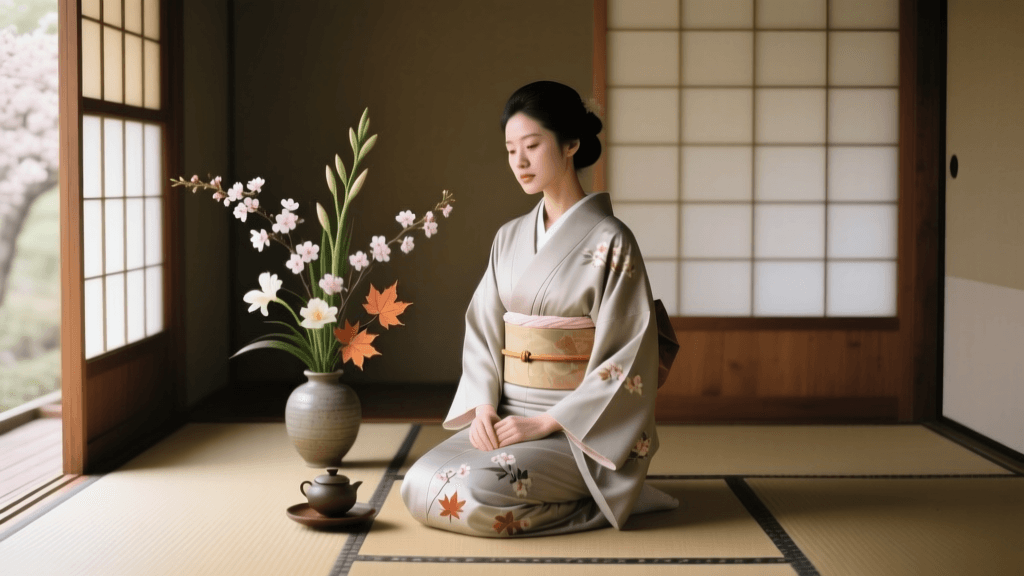
Central to the tea room's aesthetic is the tokonoma, an elevated alcove where the host displays a seasonal hanging scroll and a floral arrangement. In the context of the tea ceremony, this arrangement is called Chabana (tea flowers), a highly refined, minimalist offshoot of traditional Ikebana. According to the Ikenobo Ikebana Society, the philosophy of Japanese floral arts revolves around expressing the innate beauty and life force of nature. In the tea room, the Chabana and the guest's attire must exist in perfect harmony. A guest wearing overly flashy patterns or clashing colors disrupts the visual tranquility of the space and disrespects the host's careful curation of the tokonoma.
The Four Principles Applied to Sartorial Choices
Sen no Rikyu, the historical figure who perfected the Way of Tea, established four core principles: Wa (Harmony), Kei (Respect), Sei (Purity), and Jaku (Tranquility). These principles directly dictate the dress code for both hosts and guests:
- Wa (Harmony): Your clothing should harmonize with the season, the tea room's rustic architecture, and the Chabana in the alcove. Subdued, natural colors are preferred over neon or synthetic hues.
- Kei (Respect): Dressing formally and modestly shows respect to the host and fellow guests. It is customary to dress slightly above the expected formality level to honor the occasion.
- Sei (Purity): Cleanliness is paramount. White tabi (split-toed socks) must be pristine. Jewelry is removed to prevent scratching the priceless ceramic tea bowls.
- Jaku (Tranquility): Avoid strong perfumes, jingling accessories, or loud fabrics that could disturb the meditative silence and interfere with the delicate aroma of the matcha and the kogo (incense).
Traditional Kimono Guidelines for Tea Guests
When selecting a kimono for a tea gathering, the goal is understated elegance. The Urasenke Foundation, one of the most prominent tea schools in Japan, emphasizes that guests should never outshine the host or the ceremonial tools. Therefore, highly formal kimono like the Kurotomesode (black kimono with five crests) or the extravagant Furisode (long-swinging sleeves worn by unmarried women) are generally deemed inappropriate for standard tea gatherings, as they are reserved for weddings or coming-of-age ceremonies.
Iromuji and Edo Komon
The Iromuji is widely considered the gold standard for tea ceremony attire. It is a solid-colored kimono featuring one to three family crests (kamon). Its lack of woven or dyed patterns ensures it does not compete visually with the seasonal motifs on the tea bowls or the Ikebana arrangement. Similarly, Edo Komon—a kimono featuring micro-patterns that appear solid from a distance—is highly favored. The subtle, intricate dyeing techniques reflect the tea philosophy of finding profound beauty in minute, unassuming details.
Obi Selection and Knots
The obi (sash) should complement the kimono without overpowering it. For most tea gatherings, a Nagoya obi is the standard choice. It is pre-folded and tied in a simple, elegant drum knot (taiko musubi), which is comfortable when sitting in the seiza (kneeling) position. Highly formal, full-length Fukuro obi with heavy gold and silver threads are usually reserved for the host of a formal chaji (full-length tea gathering) and can be cumbersome for a guest.
Western Attire: Modesty and Practicality
For international visitors or those who do not own a kimono, conservative Western attire (seiyofuku) is entirely acceptable, provided it adheres to strict rules of modesty and practicality. Cultural guidelines from Japan Guide emphasize that the physical mechanics of the tea room require specific clothing dimensions.
Because guests sit on tatami mats in the seiza position, hemlines shift dramatically. Skirts and dresses must fall at least two to three inches below the knee when seated to ensure the legs remain fully covered. Trousers are acceptable for both men and women, provided they are tailored, modest, and not made of casual denim. Bare skin on the legs or feet is strictly prohibited; women should wear opaque pantyhose or tights, and men should wear dark, calf-high socks. The socks are crucial, as shoes are removed at the entrance, and bare feet on tatami mats are considered highly unhygienic and disrespectful.
Seasonal Coordination with Tokonoma Flora
The concept of shun (seasonality) is the lifeblood of the tea ceremony and Ikebana. A guest's attire should subtly reflect the current season, mirroring the natural elements presented in the Chabana. In spring, soft pastels, light greens, and subtle cherry blossom motifs are appropriate. In summer, guests opt for breathable, sheer fabrics like ro or sha silk in cool blues and whites, providing a visual sense of relief from the humidity. Autumn calls for earthy tones—rust, mustard, and deep burgundy—while winter invites rich, warm hues like navy, plum, and forest green. By aligning your wardrobe with the host's floral arrangement, you participate in the shared creation of the ceremony's atmosphere.
Quick Reference Attire Matrix
The following table provides a structured guide to selecting the appropriate attire based on the formality of the tea gathering:
| Gathering Type | Formality Level | Kimono Recommendation | Western Equivalent | Footwear / Accessories |
|---|---|---|---|---|
| Chaji (Formal 4-hour gathering) | High | Iromuji (with 1-3 crests), Tsukesage | Dark business suit, modest midi-dress, pantyhose | Pristine white tabi, zori sandals, no jewelry |
| Chakai (Semi-formal public gathering) | Medium | Edo Komon, high-quality Komon | Smart casual trousers, knee-length skirt, blazer | Clean white tabi, conservative heels or loafers |
| Keiko (Casual practice session) | Low / Practice | Simple Komon, Yukata (summer only) | Clean slacks, modest blouse, dark socks | White cotton tabi or clean white socks |
Footwear, Tabi, and Tatami Etiquette
Footwear etiquette is heavily scrutinized in the tea world. Outdoor shoes are left at the genkan (entrance) or the stepping stones leading to the tea hut. When wearing a kimono, guests must wear zori sandals paired with tabi. The tabi must be blindingly white, freshly washed, and free of any scuffs or yellowing. Stepping onto the tatami mats requires sliding the feet gently to avoid damaging the delicate rush grass. Furthermore, guests must never step on the borders (heri) of the tatami mats, as these edges historically bore family crests and stepping on them is a grave insult.
Common Mistakes and Prohibited Items
To preserve the sanctity of the tea room and the integrity of the Ikebana displays, guests must avoid several common pitfalls:
- Jewelry and Watches: Rings, bracelets, and wristwatches must be removed before entering. A careless flick of the wrist can chip a 400-year-old Raku tea bowl.
- Perfume and Cologne: The tea ceremony involves the appreciation of subtle aromas, including the scent of the matcha, the boiling water, and the sandalwood incense. Artificial fragrances overpower these delicate notes.
- Revealing Clothing: Low necklines, sheer fabrics without proper undergarments, and bare ankles are strictly forbidden. The tea room is a space of conservative modesty.
- Flashy Nail Polish: Bright or heavily decorated nails distract from the visual purity of the tea bowl and the natural hues of the Chabana. If worn, polish should be sheer, neutral, or completely removed.
Conclusion
Attending a Japanese tea ceremony is an immersive cultural experience that demands mindfulness from the moment you choose your outfit. By understanding the deep connections between the minimalist beauty of Ikebana, the rustic elegance of the tea room, and the strict codes of modesty and seasonality, guests can fully embrace the spirit of Wa. Whether draped in a carefully selected Iromuji or a modest, conservative Western suit, your attire becomes a silent but profound expression of respect for one of Asia's most enduring and beautiful traditions.