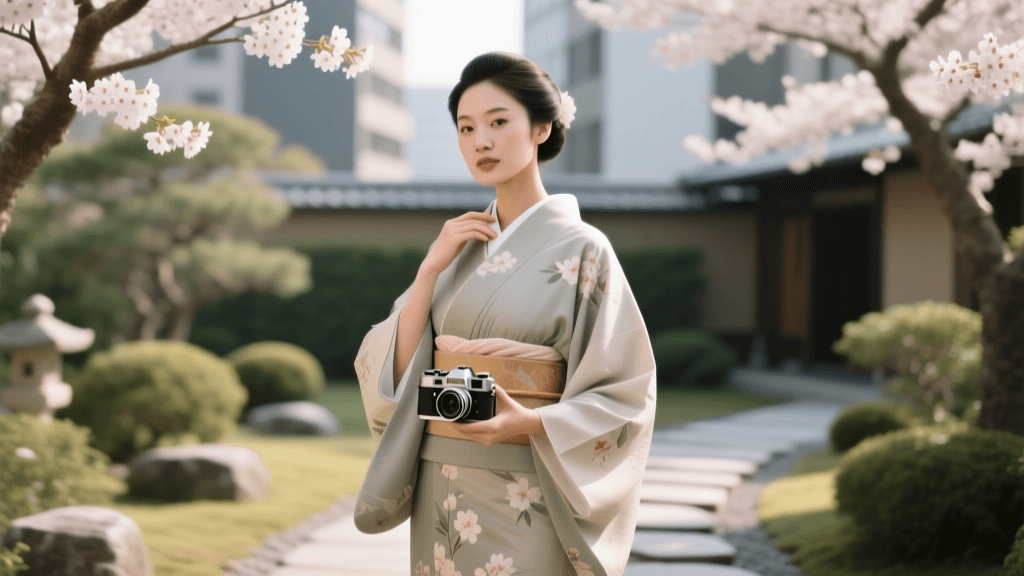
Expert Kimono Care: Cleaning, Storage, and Maintenance
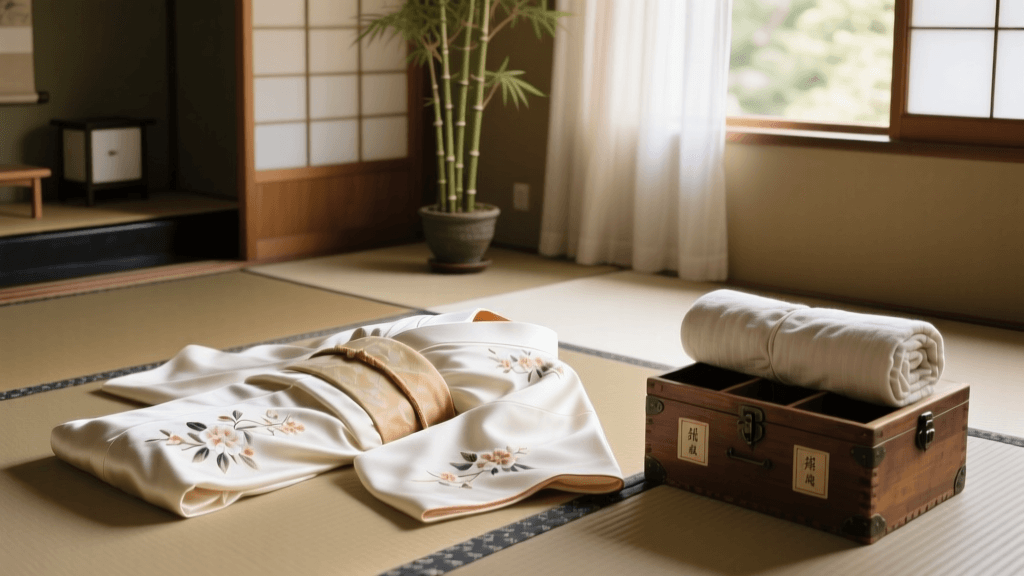
The Delicate Art of Kimono Preservation
Owning a traditional Japanese kimono is an investment in both cultural heritage and exquisite craftsmanship. Whether you possess a vintage silk uchikake (wedding kimono), a lightweight cotton yukata, or a modern synthetic blend, proper maintenance is essential to preserve the garment's structural integrity and vibrant dyes. Unlike Western clothing, kimono are constructed from straight bolts of fabric (tanmono) and feature delicate, hand-painted, or embroidered motifs that require highly specialized care. This comprehensive guide outlines the actionable steps, traditional techniques, and modern conservation standards necessary to protect your kimono for generations.
Immediate Post-Wear Care
The longevity of a kimono begins the moment you take it off. Human sweat, natural body oils, and environmental humidity can quickly degrade silk fibers and cause permanent staining if left unaddressed.
Airing Out (Kageboshi)
After wearing your kimono, never fold and store it immediately. Instead, hang it on a specialized, wide-shouldered kimono hanger known as an emonkake. Standard wire or wooden hangers will distort the shoulder seams and stretch the delicate silk. Hang the garment in a well-ventilated, shaded area away from direct sunlight for 1 to 2 hours. This process, called kageboshi, allows trapped moisture to evaporate and prevents the growth of mold (mildew), which is a primary enemy of silk textiles.
Spot Inspection
While the kimono is hanging, carefully inspect the hem, collar, and cuffs for stains. Mud splashes, makeup transfers, or food spills should be addressed immediately by a professional. Attempting to rub a stain with water or commercial stain removers on silk will cause mizujimi (water rings) and permanently damage the dye.
Professional Cleaning Methods
Kimono should not be washed in a standard washing machine, and dry cleaning them at a typical Western cleaner can ruin the structural sizing and metallic threads. In Japan, and at specialized international cleaners, three primary methods are utilized.
Maru-Arai (Whole Garment Cleaning)
Maru-arai is the modern standard for routine kimono cleaning. The garment is cleaned whole, without unsewing, using specialized petroleum-based solvents that are gentle on silk and metallic leafing. This process removes oil-based dirt and restores the fabric's natural luster.
- Frequency: Every 2 to 3 years, or after 3-4 wears.
- Estimated Cost: ¥6,000 to ¥12,000 ($40 to $80 USD).
- Turnaround Time: 2 to 4 weeks.
Shiminuki (Spot Stain Removal)
For localized stains such as tea, wine, or ink, artisans use shiminuki. This involves identifying the chemical composition of the stain and applying targeted solvents, followed by localized steaming to blend the treated area with the surrounding fabric.
Arai-Hari (Traditional Unsewing and Washing)
The most traditional and thorough cleaning method is arai-hari. The kimono is completely unsewn into its original rectangular fabric panels. These panels are washed with mild, natural detergents, stretched on large wooden boards (itabari) using hundreds of specialized needles to dry and realign the weave, and then sent to a tailor (shitateya) to be completely resewn.
- Frequency: Once every 10 to 15 years, or for heavy restoration.
- Estimated Cost: ¥30,000 to ¥60,000+ ($200 to $400+ USD).
- Turnaround Time: 1 to 3 months.
The Tatami Folding Technique
Proper folding, known as tatami, is crucial to prevent permanent creases from forming across embroidered or painted motifs. A standard folded kimono measures approximately 35 cm wide and 75 cm long.
- Lay the kimono face down on a clean, flat surface.
- Fold the right front panel back along the seam line.
- Fold the left front panel over the right, aligning the edges.
- Fold the sleeves inward so they do not extend beyond the body width.
- Fold the bottom hem up to the collar, creating a neat rectangle.
Storage Materials: Tatoshi and Tansu
Once folded, a kimono must never be stored bare in a plastic bin. Plastic traps moisture and off-gases chemicals that cause silk to yellow and become brittle.
Tatoshi (Wrapping Paper)
Wrap each folded kimono in tatoshi, a specialized, acid-free tissue paper. According to the Smithsonian Museum Conservation Institute, acid-free enclosures are vital for preventing the acid migration that degrades natural protein fibers like silk. Replace your tatoshi paper every 3 to 5 years, as it absorbs ambient pollutants over time.
Kiri Tansu (Paulownia Wood Chest)
The gold standard for kimono storage is the kiri tansu, a chest made from solid Paulownia wood. Paulownia is lightweight, highly resistant to warping, and naturally fire-retardant. More importantly, it is hygroscopic; the wood swells to seal out moisture during humid summers and contracts to allow airflow during dry winters. Standard tansu drawers are designed to be roughly 80 cm wide, allowing the 75 cm folded kimono to rest without being compressed.
Climate Control and Pest Prevention
Environmental control is the cornerstone of textile conservation. The Victoria and Albert Museum emphasizes that fluctuations in temperature and relative humidity (RH) cause mechanical stress on silk fibers, leading to micro-tears and dye degradation.
- Temperature: Maintain a stable environment between 65°F and 70°F (18°C - 21°C).
- Humidity: Keep RH strictly between 50% and 55%. Below 40%, silk becomes brittle; above 65%, mold spores activate.
- Light Exposure: Store in total darkness. UV radiation permanently fades natural plant dyes (such as indigo and safflower) within hours of exposure.
Pest Management
Carpet beetles (Anthrenus) and webbing clothes moths (Tineola) are attracted to the protein in silk and the starch used in kimono tailoring. To deter pests, use natural cedar blocks or shoubu (camphor) balls. However, the Canadian Conservation Institute warns against using traditional naphthalene mothballs, as the chemical fumes react with metallic threads, turning silver and gold accents black. Always place pest deterrents in the corners of the drawer, never in direct contact with the tatoshi-wrapped garment.
Annual Airing (Mushiboshi)
In Japan, the tradition of mushiboshi (bug-airing) takes place in late autumn or early winter when the air is crisp and dry. This involves opening the tansu drawers, removing the kimono from their tatoshi wrappers, and laying them flat in a shaded, well-ventilated room for a few hours. This annual ritual disrupts pest life cycles, refreshes the fabric, and allows the owner to inspect the collection for early signs of mold or damage.
Fabric Care Comparison Chart
| Fabric Type | Cleaning Method | Storage Needs | Ironing / Pressing |
|---|---|---|---|
| Silk (Chirimen, Habutae) | Maru-arai or Arai-hari | Acid-free tatoshi, Kiri tansu, 50-55% RH | Low heat, use a pressing cloth, no steam |
| Cotton (Yukata) | Gentle machine wash (in mesh bag) | Folded in cotton storage boxes | Medium-high heat, steam acceptable |
| Hemp / Ramie | Hand wash with mild detergent | Shaded drying, folded in drawers | High heat while slightly damp |
| Synthetic (Polyester) | Maru-arai or gentle hand wash | Standard drawer, avoid high heat | Cool iron only, risk of melting |
| Wool (Haori, Kimono) | Dry clean only | Cedar blocks required for moth prevention | Steam iron with pressing cloth |
Conclusion
Caring for a kimono is a mindful practice that bridges the gap between historical preservation and everyday enjoyment. By investing in proper emonkake hangers, utilizing professional maru-arai services, and storing your garments in a climate-controlled kiri tansu with acid-free tatoshi, you ensure that the intricate artistry of Japanese textiles survives the test of time. Treat your kimono not merely as clothing, but as a living archive of Asian cultural traditions.