Kimono Influencer Guide: Vlogging, Gear & Communities
The Digital Kimono Renaissance
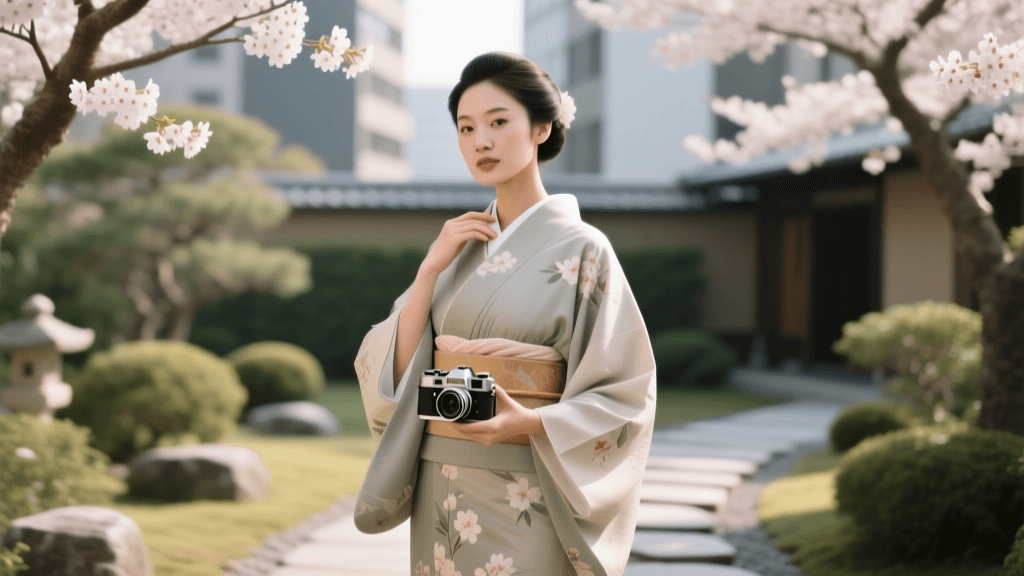
The intersection of traditional Japanese garments and modern digital media has birthed a vibrant new niche: the kimono influencer and vlogger. No longer confined to formal ceremonies or domestic tourism, the kimono has experienced a massive global revival, driven largely by digital creators who showcase the versatility, history, and artistry of Japanese textiles. As highlighted by a BBC Culture feature on the global resurgence of the garment, modern styling and digital storytelling have introduced kitsuke (the art of dressing) to millions of international enthusiasts.
For aspiring content creators, building a kimono-focused vlog or Instagram page requires more than just a beautiful wardrobe. It demands an understanding of textile photography, vintage sourcing logistics, and the nuanced etiquette of global online communities. This comprehensive guide provides actionable strategies, gear recommendations, and community-building tactics for the modern digital kimono curator.
Essential Gear for Kimono Vloggers and Photographers
Capturing the intricate details of yuzen dyeing, the three-dimensional texture of shibori tie-dye, and the subtle sheen of vintage silk requires specialized camera equipment. Standard smartphone cameras often flatten these textures or misrepresent the complex color gradients of antique garments. Below is a curated gear list optimized for kimono content creation, balancing budget and professional textile rendering.
| Equipment Category | Recommended Model | Approx. Cost (USD) | Primary Use Case for Kimono Content |
|---|---|---|---|
| Camera Body | Sony A7 IV (Full-Frame) | $2,498 | High dynamic range to capture subtle silk gradients and deep indigo dyes without crushing shadows. |
| Portrait Lens | Sony FE 85mm f/1.8 | $598 | Compression for full-body kitsuke shots; isolates the subject from busy street backgrounds. |
| Macro Lens | Sony FE 90mm f/2.8 Macro | $1,098 | Extreme close-ups of obi brocade weaves, obijime braiding, and family crests (kamon). |
| Continuous Lighting | Godox SL60W LED | $139 | Consistent, flicker-free illumination for vlogging and demonstrating complex obi tying techniques. |
| Audio | Rode Wireless GO II | $299 | Lapel mic system to ensure crisp voiceovers while filming in windy outdoor locations like Kyoto temples. |
Lighting Techniques for Silk and Textiles
When vlogging indoors or shooting lookbooks, avoid direct, harsh flash. Direct flash blows out the highlights on vintage silk and creates harsh shadows in the folds of the obi. Instead, use a large softbox positioned at a 45-degree angle to the subject. This raking light emphasizes the physical texture of shibori (tie-dye) and surihaku (gold leaf application). For outdoor vlogs, the 'golden hour' (shortly after sunrise or before sunset) provides warm, directional light that makes metallic threads in formal furisode and tomesode garments glow naturally.
Sourcing Vintage Kimono for Content Creation
A successful kimono channel relies on a steady influx of unique, visually striking garments. While modern retail kimono can cost upwards of $3,000, the secondary vintage market offers incredible pieces for a fraction of the price, perfect for 'haul' videos and styling content.
Navigating Japanese Proxy Auctions
The most lucrative sourcing method for international creators is using proxy services like Buyee or ZenMarket to bid on Yahoo! Auctions Japan and Rakuten. To find hidden gems, you must use the correct Japanese search terminology:
- Antique Kimono: アンティーク着物 (Antīku kimono) - Generally refers to pre-WWII garments, highly prized for their unique Taisho Roman aesthetics and bold, modernist patterns.
- Recycled Kimono: リサイクル着物 (Risaikuru kimono) - The standard term for second-hand garments from the Showa era to the present.
- Unworn/Deadstock: 未使用 (Mishiyou) or 新古品 (Shinkohin) - Perfect for pristine condition lookbooks.
Understanding Measurements and Costs
Unlike Western clothing, kimono are sold based on specific flat measurements. When reviewing pieces for your audience, always provide the mitake (back length from the base of the collar to the hem) and the yuki (sleeve span from the center back seam to the wrist). A standard vintage silk kimono in good condition typically ranges from 3,000 JPY to 8,000 JPY ($20 to $55 USD) on auction sites, though rare meisen (ikat-woven silk) pieces can fetch over 30,000 JPY. Factoring in proxy fees and EMS shipping (usually around $25-$40 USD for a 1kg package), creators can build a diverse, camera-ready wardrobe on a modest monthly budget.
Navigating Online Kimono Communities
Growing an audience is not just about broadcasting; it is about participating in existing ecosystems. The global kimono community is highly knowledgeable, deeply passionate, and protective of the garment's cultural integrity. Approaching these spaces with humility and a desire to learn is paramount.
Key Platforms and Hubs
Platforms like the r/kimono community on Reddit serve as vital hubs for both beginners and seasoned collectors. Here, creators can post 'fit checks' to receive constructive criticism on their kitsuke (dressing), ask for help identifying obscure textile techniques, or verify the authenticity of vintage obi. Facebook groups such as 'Kimono de Jazz' (focused on modern styling) and various 'Kimono Flea Market' groups are excellent for networking, trading garments, and finding collaborators for photoshoots.
Community Etiquette and Cultural Respect
As an influencer, you are an educator. The Victoria and Albert Museum's "Kimono: Kyoto to Catwalk" exhibition archive extensively documents how the kimono has historically absorbed foreign influences while maintaining its core structural identity. When creating content, avoid treating the garment merely as an exotic costume. Instead, focus on the craftsmanship, the regional dyeing techniques (like Kaga-yuzen or Amami Oshima tsumugi), and the seasonal rules (kisetsu) that govern Japanese dress. Acknowledging the difference between a casual yukata and a formal houmongi demonstrates respect and builds trust with your most dedicated followers.
Monetization and Brand Partnerships
Once you have established a dedicated following and a reputation for accurate, high-quality content, monetization opportunities within the niche begin to open up. Because the kimono market is specialized, brands are actively seeking micro-influencers who speak the language of the community.
Avenues for Revenue
- Affiliate Marketing: Partnering with proxy shopping services (like Buyee) or specialized online kimono retailers (such as Ichiroya or Yamatoku) to earn a commission on garments your audience purchases through your links.
- Accessory Collaborations: Modern obijime (cord) braiders, zori (sandal) makers, and hair accessory (kanzashi) artisans often sponsor vloggers to showcase their products in full styling tutorials.
- Tourism Boards: Regional Japanese tourism boards frequently hire kimono vloggers to document 'kimono rental and photoshoot' experiences in historic districts like Kanazawa, Kawagoe, or Kyoto's Higashiyama, driving international tourist engagement.
- Digital Products: Selling comprehensive PDF guides on vintage kimono care, silk stain removal, or step-by-step otsukaibo (drum bow) obi tying tutorials.
Conclusion
Becoming a successful kimono influencer or vlogger is a deeply rewarding endeavor that bridges centuries of textile history with modern digital storytelling. By investing in the right macro and portrait photography gear, mastering the logistics of Japanese proxy auctions, and engaging respectfully with global online communities, creators can build a thriving, monetizable platform. The digital kimono renaissance is in full swing, and there has never been a better time to share the profound beauty of Asian garment traditions with the world.