Decoding Kimono Fashion Trends in Ukiyo-e Woodblock Prints
The Original Fashion Magazines: Ukiyo-e and the Kimono
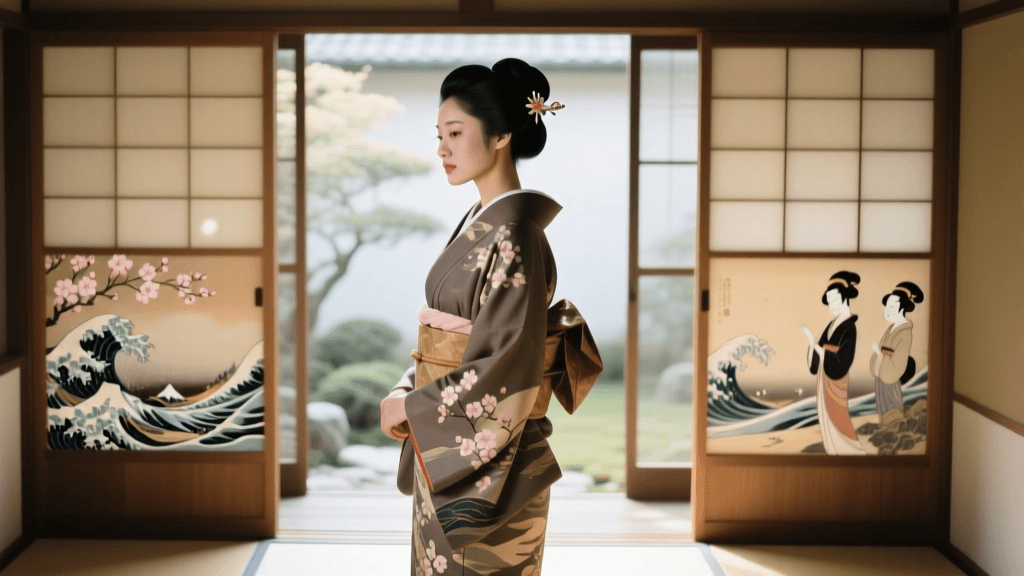
Long before the advent of glossy fashion editorials and digital lookbooks, the citizens of Edo-period Japan (1603–1867) relied on ukiyo-e woodblock prints to track the latest sartorial trends. Translating to 'pictures of the floating world,' ukiyo-e was a vibrant artistic movement that captured the ephemeral beauty of urban life, theater, and the pleasure quarters. Within this genre, bijinga (pictures of beautiful women) served a dual purpose: they were masterpieces of art and highly influential fashion plates. By studying the works of masters like Kitagawa Utamaro, Suzuki Harunobu, and Utagawa Hiroshige, modern enthusiasts and historians can decode the complex evolution of the kimono, transforming from the humble kosode (small-sleeved undergarment) into the iconic outer garment we recognize today.
According to The Metropolitan Museum of Art, ukiyo-e prints were mass-produced and relatively affordable, allowing commoners to purchase images of their favorite courtesans and kabuki actors. These prints dictated seasonal color palettes, popularized specific textile patterns, and established the rules of kitsuke (the art of dressing). To truly appreciate traditional Japanese garments, one must learn to read the canvas of an ukiyo-e print not just as a portrait, but as a meticulously documented fashion blueprint.
Decoding the Canvas: How to Read Kimono Styling in Prints
When examining an ukiyo-e print, the way a garment is worn reveals as much about the era and the wearer's status as the fabric itself. The transition of the kimono's silhouette throughout the Edo period is distinctly visible in the placement of the obi (sash), the depth of the collar, and the length of the sleeves.
The Evolution of the Obi (Sash)
In early 17th-century ukiyo-e, the obi was a narrow, utilitarian cord or thin sash, typically measuring no more than 15 centimeters in width. It was almost exclusively tied in the front or on the side, allowing for easy adjustment and displaying the knot as a decorative element. However, as the Edo period progressed and the merchant class accumulated wealth, the obi became a primary canvas for displaying opulence. By the late 18th century, ukiyo-e prints depict women wearing the maru obi, a heavily brocaded sash measuring over 30 centimeters wide and up to 4 meters long. The sheer bulk of this accessory forced the knot to be moved to the back, a practical shift that permanently altered the kimono silhouette and established the modern aesthetic.
Collar Layering and the Eri (Collar) Depth
The neckline in bijinga prints is a masterclass in subtle sensuality and layering. Artists like Utamaro frequently depicted courtesans with multiple collars peeking out from the outer garment. This practice, known as kasane (layering), originally involved wearing multiple full kimono atop one another, a luxury reserved for the elite. To mimic this lavish look without the suffocating weight and heat of multiple garments, the hiyoku (a false under-layer attached to the collar and hem) was invented. In ukiyo-e, a deep, relaxed V-shape at the nape of the neck (eri-nuki) was highly prized, symbolizing elegance and a subtle allure that remains a foundational rule of modern formal kimono dressing.
Sleeve Lengths and the Furisode
The swinging sleeves of the furisode are a hallmark of youth and unmarried status. In early prints, sleeves were relatively uniform and short. However, as textile techniques like yuzen-zome (paste-resist dyeing) allowed for sprawling, pictorial designs, the sleeves elongated to provide more canvas. Ukiyo-e from the Genroku era (1688–1704) onward showcase the dramatic oh-furisode, with sleeve drops (tamoto) reaching up to 114 centimeters, nearly brushing the floor and creating a sense of dynamic motion in the woodblock compositions.
Motif Mapping: Seasonal and Status Symbols in Woodblock Art
The patterns depicted in ukiyo-e were never arbitrary; they were strictly governed by the seasons and the rigid social hierarchy of the Tokugawa shogunate. The introduction of yuzen dyeing in the late 17th century revolutionized kimono design, allowing artisans to paint intricate, multi-colored scenes directly onto silk. Ukiyo-e artists meticulously replicated these motifs, providing a visual calendar of Edo fashion.
Spring prints are dominated by cherry blossoms (sakura), plum blossoms (ume), and wisteria. Autumn scenes feature maple leaves (momiji), chrysanthemums (kiku), and susuki grass. However, the shogunate frequently enacted ken'yakurei (sumptuary laws) to curb the ostentatious spending of the merchant class. When lavish tie-dye (kanoko shibori) and gold leaf were banned in 1683, the commoners responded with the aesthetic of iki—subdued, understated elegance. Ukiyo-e from this era show a rise in subtle, micro-patterns (komon) and the strategic use of luxurious, heavily embroidered linings (hakkake) that were only visible when the wearer walked or sat, a rebellious yet legally compliant display of hidden wealth.
Ukiyo-e Eras and Dominant Kimono Fashion Trends
| Era / Period | Approximate Dates | Obi Style & Placement | Dominant Motifs & Textile Techniques | Key Ukiyo-e Artists |
|---|---|---|---|---|
| Early Edo (Kanbun) | 1661–1673 | Narrow (~15cm), tied in front | Bold, asymmetrical patterns; heavy embroidery | Hishikawa Moronobu |
| Genroku Boom | 1688–1704 | Medium (~20cm), side/front knots | Rise of Yuzen dyeing; pictorial nature motifs | Torii Kiyonobu I |
| Mid-Edo (Meiwa) | 1764–1772 | Wide (~25cm), moving to the back | Complex brocades; Nishijin weaving; kasane layering | Suzuki Harunobu |
| Late Edo (Kansei) | 1789–1801 | Very wide (30cm+), elaborate back knots | Subtle komon patterns; refined bijinga portraiture | Kitagawa Utamaro |
Actionable Advice: Recreating Ukiyo-e Styling Today
For modern kimono collectors, vintage enthusiasts, and practitioners of kitsuke, ukiyo-e provides a practical roadmap for authentic styling. If you are looking to recreate the romantic, layered aesthetics of the Edo period for formal events, tea ceremonies, or artistic photography, consider the following actionable techniques and accessories:
- Use a Kasane-Eri (Layered Collar): To achieve the multi-layered collar look seen in Harunobu's prints without wearing two heavy silk kimono, invest in a kasane-eri or date-eri. These are lightweight, detachable false collars that slip under your main han-eri (half-collar). Choose contrasting seasonal colors, such as a pale pink under-layer beneath a deep green outer collar, to mimic spring plum blossoms.
- Master the Eri-Nuki (Collar Pull): The sensual, relaxed nape seen in Utamaro's courtesan prints requires an eri-nuki (a stiff collar stay) or a specialized korin belt. When dressing, pull the back collar down approximately 4 to 5 centimeters from the base of the neck. This creates the iconic sloping V-shape that frames the face and highlights the nape, considered a traditional focal point of beauty.
- Incorporate Hiyoku Linings: When purchasing vintage or modern formal kimono (such as a kurotomesode or homongi), look for garments featuring a hiyoku lining. This is a secondary layer of silk attached only at the sleeves, hem, and collar. It provides the visual weight and trailing hem effect (suso-hiki) depicted in high-status ukiyo-e portraits.
- Obi Knot Selection: To replicate the voluminous back knots of the late Edo period, utilize a fukuro obi (the modern standard for formal wear, measuring roughly 31cm wide). Learn to tie the niju-daiko (double drum) or the more elaborate tsunodashi knot, using an obi-makura (obi pillow) to give the sash the structural height seen in 19th-century woodblock prints.
Where to Study Authentic Ukiyo-e Fashion
To train your eye in historical textile design and styling, it is essential to study high-resolution archives and physical exhibitions. The Victoria and Albert Museum offers extensive digital and physical resources exploring the kimono's evolution from Kyoto's weaving districts to its representation in art and global fashion. Their archives frequently highlight the intersection of woodblock print design and actual surviving Edo-period garments.
Additionally, the Art Institute of Chicago houses one of the most comprehensive collections of Japanese prints outside of Japan. Their digital database allows users to zoom in on high-resolution scans of ukiyo-e, making it possible to study the exact weave patterns, shibori textures, and micro-motifs painted by the original artists. By cross-referencing these digital archives with your own vintage kimono collection, you can accurately date garments and understand the cultural weight of the patterns you wear.
Conclusion
Ukiyo-e woodblock prints are far more than beautiful historical artifacts; they are the ultimate archive of Japanese fashion history. By learning to decode the width of an obi, the depth of a collar, and the symbolism of a seasonal motif, we bridge the gap between the 'floating world' of the Edo period and the living tradition of the kimono today. Whether you are a collector seeking to authenticate a vintage textile or a wearer aiming to perfect your kitsuke, the masters of ukiyo-e remain the most stylish and authoritative guides you could ask for.