Kimono Dress Codes: Mastering TPO Rules For Formal Events
The kimono is far more than a beautiful traditional garment; it is a complex sartorial lexicon that communicates the wearer’s age, marital status, and the precise nature of the event they are attending. In Japan, the rules governing what to wear and when are dictated by the TPO principle—Time, Place, and Occasion. For both locals and international enthusiasts, navigating these unspoken rules can seem daunting. However, understanding kimono etiquette is essential for showing respect to the culture and ensuring you are appropriately dressed for any gathering.
Whether you are attending a Shinto wedding, participating in a traditional tea ceremony, or simply strolling through Kyoto during a summer festival, this comprehensive guide will help you decode the intricate dress codes of Japanese formal wear.
The Foundation of Kimono Etiquette: The TPO Principle
Originating in the West but deeply embedded in Japanese fashion culture, the TPO rule stands for Time, Place, and Occasion. When applied to kimono, this means considering the season (Time), the venue and setting (Place), and the formality and purpose of the event (Occasion). A garment that is perfectly appropriate for a bustling summer matsuri (festival) would be considered deeply disrespectful if worn to a formal wedding reception. According to cultural guidelines outlined by the Japan National Tourism Organization (JNTO), respecting these boundaries is a fundamental aspect of Japanese etiquette and hospitality.
Decoding Kimono Formality Levels
The formality of a kimono is determined by several factors: the fabric quality (silk vs. cotton/polyester), the presence and number of family crests (kamon), the placement of dyed patterns, and the type of obi (sash) worn with it. Below is a structured matrix to help you identify the correct garment for your event.
| Kimono Type | Formality Level | Crests (Kamon) | Obi Type | Best Occasion (TPO) |
|---|---|---|---|---|
| Kurotomesode | First Formal | 5 Crests | Maru / Fukuro | Weddings (Mother of Bride/Groom) |
| Irotomesode | First Formal | 3 to 5 Crests | Fukuro | Weddings (Close Relatives) |
| Furisode | First Formal | 0 to 3 Crests | Fukuro / Maru | Coming of Age Day, Unmarried Women at Weddings |
| Homongi | Semi-Formal | 0 to 1 Crest | Fukuro / Nagoya | Tea Ceremonies, Formal Parties, Gallery Openings |
| Tsukesage | Semi-Formal | 0 to 1 Crest | Nagoya / Fukuro | Nice Dinners, Cultural Events, Graduations |
| Komon | Casual | 0 Crests | Nagoya / Hanhaba | Shopping, Casual Outings, Theater |
| Yukata | Summer Casual | 0 Crests | Hanhaba | Summer Festivals, Onsen Ryokans, Fireworks |
Navigating Specific Formal Occasions
Weddings: Family vs. Guests
Weddings are the most strictly regulated events in Japanese society. If you are the mother of the bride or groom, or a very close married relative, the Kurotomesode is mandatory. This black silk kimono features patterns only below the waist and bears five white family crests. Renting a Kurotomesode typically costs between ¥15,000 and ¥30,000, excluding professional dressing fees.
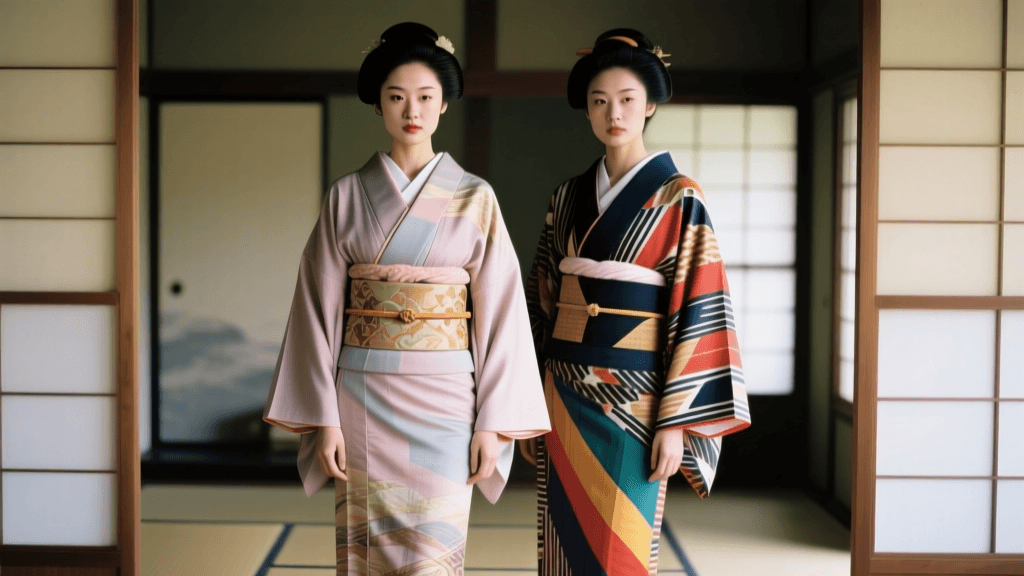
Unmarried women attending a wedding should opt for a Furisode, characterized by its dramatically long, swinging sleeves (ranging from 85cm to 114cm in length). The Furisode signals youth and availability. Married guests who are not immediate family should wear an Irotomesode (a colored tomesode) or a highly elegant Homongi. As noted by experts at Japan Guide, guests should avoid wearing white (reserved for the bride) and overly flashy patterns that might upstage the wedding party.
Tea Ceremonies: The Art of Subdued Elegance
The Japanese tea ceremony (chado) values the aesthetic of wabi-sabi and subdued elegance (iki). Wearing a loud, heavily embroidered Furisode or a Kurotomesode to a standard tea gathering would be considered inappropriate and distracting. Instead, practitioners and guests favor the Tsukesage or a high-quality Edo Komon (a kimono with a micro-pattern that looks solid from a distance). Patterns should be modest, and the obi should be tied in a simple, flat knot like the otaiko musubi to ensure comfortable movement while kneeling on the tatami mats.
Graduations: The Hakama Tradition
University graduations in Japan feature a distinct sartorial tradition: the Hakama. This pleated, skirt-like garment is worn over a standard kimono (usually a Furisode or a Komon with a hakama-specific obi). The hakama typically features five or seven pleats, symbolizing the Confucian virtues. While traditionally associated with male samurai, it became standard academic dress for female students in the Meiji era and remains a beloved graduation staple today.
Seasonality and Fabric Rules
The 'Time' aspect of TPO is heavily influenced by Japan's distinct seasons. Wearing the wrong fabric weight is a major faux pas in kimono etiquette. The kimono calendar is strictly divided into three main categories:
- Awase (Lined Kimono): Worn from October through May. These silk garments feature an inner lining for warmth.
- Hitoe (Unlined Kimono): Worn exclusively in June and September. The transitional weather calls for a single layer of silk.
- Usumono (Sheer/Summer Kimono): Worn in July and August. Made from sheer, breathable fabrics like ro or sha silk, allowing air to circulate during the humid Japanese summer.
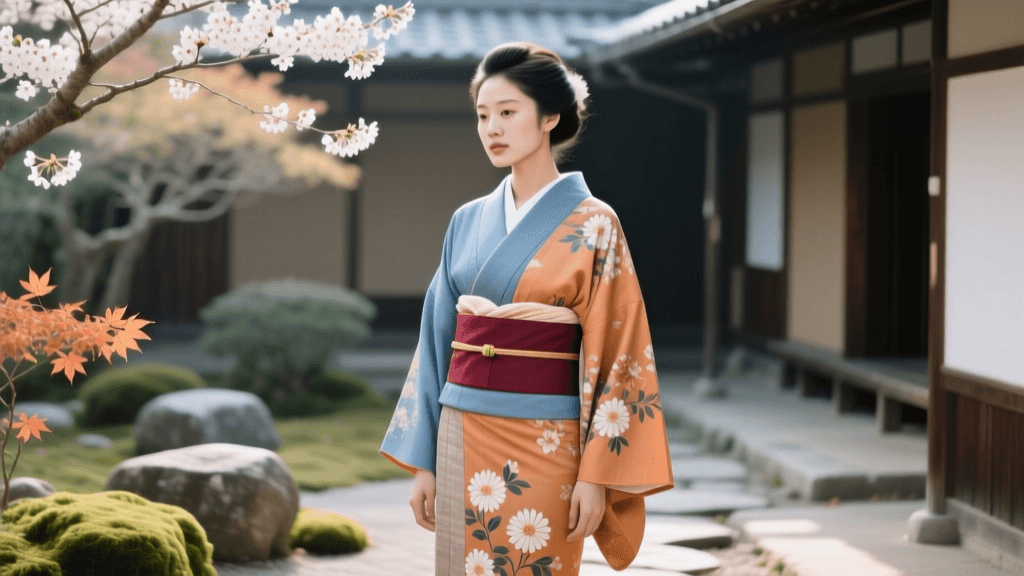
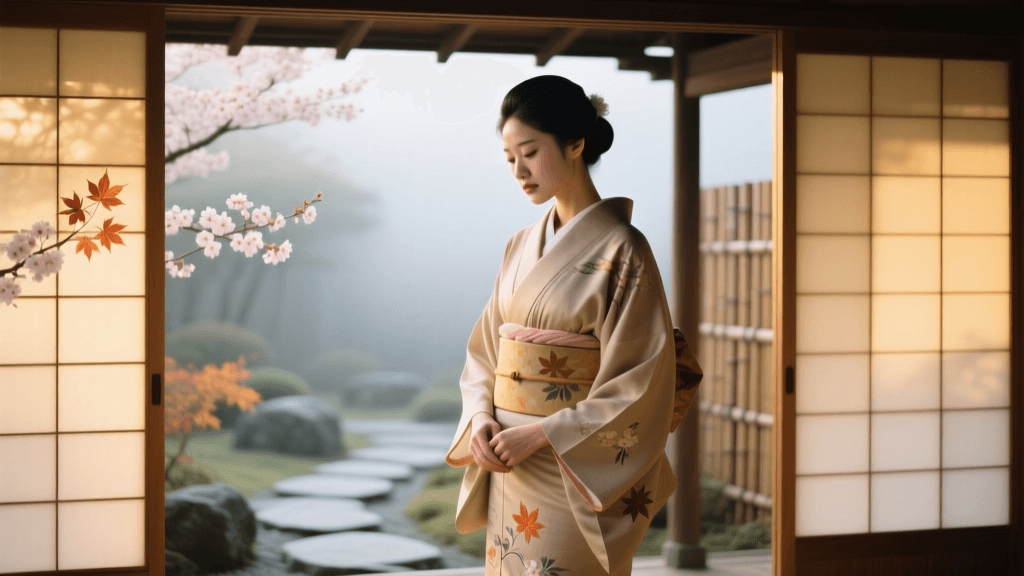
Furthermore, the motifs on the kimono must anticipate the season. Cherry blossoms should be worn before they bloom in early spring, while autumn leaves and maple patterns are worn in late summer and early autumn, anticipating the changing foliage.
Essential Accessories: The Obi and Footwear
A kimono is incomplete without its accessories, which also carry strict formality rules. The obi is the most critical component. According to historical textile archives at The Metropolitan Museum of Art, the evolution of the obi from a thin cord to a wide, elaborate sash fundamentally changed the silhouette and etiquette of the kimono.
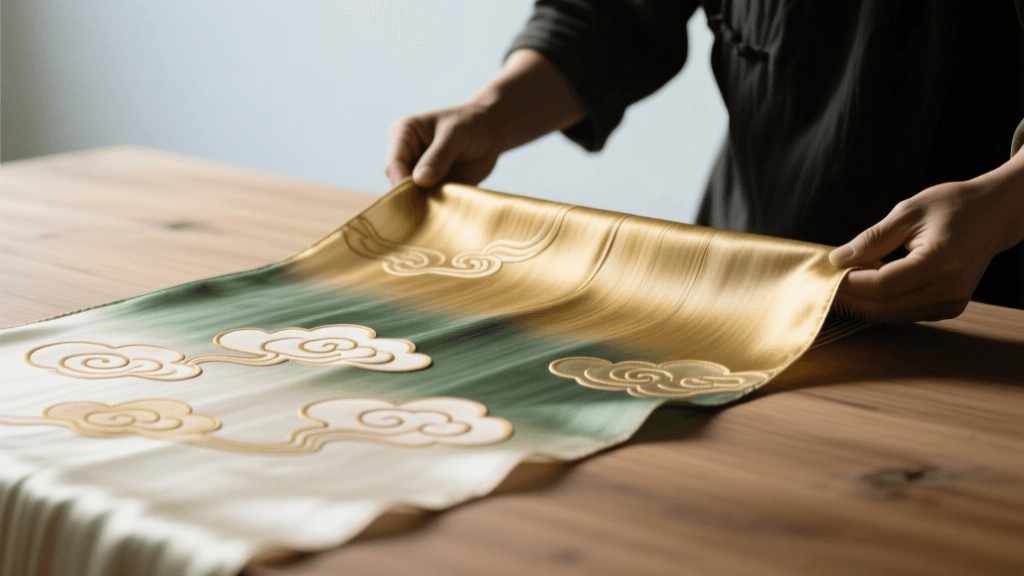
- Maru / Fukuro Obi: The most formal. A Fukuro obi measures approximately 420cm in length and 30cm in width, featuring elaborate brocade or gold thread. It is mandatory for Kurotomesode and Furisode.
- Nagoya Obi: Semi-formal to casual. Measuring about 360cm long, it is pre-folded and stitched at one end to make tying the otaiko knot easier. Ideal for Homongi and Komon.
- Hanhaba Obi: Casual. A narrow, half-width obi (approx. 15cm wide) made of cotton or polyester, used exclusively with Yukata or casual wool Komon.
Footwear must also match the formality. Formal events require Zori (flat, woven or vinyl sandals) worn with white split-toe Tabi socks. Casual outings and summer festivals call for Geta (wooden clogs) worn with bare feet or specialized toe-socks.
Practical Guide: Renting, Timing, and Preparation
For most modern wearers, especially tourists and those living outside Japan, renting is the most practical and cost-effective way to wear formal kimono. Here are actionable tips for a seamless experience:
- Booking Timing: If you plan to wear a Furisode for Seijin no Hi (Coming of Age Day in mid-January) or attend a spring wedding, you must book your rental 2 to 3 months in advance. Popular colors and sizes sell out rapidly.
- Measurements: Standard rental kimono are designed to fit women between 150cm and 170cm tall. The length is adjusted via the ohashori (the fold at the hips), which should ideally be 5cm to 10cm deep and sit just below the obi.
- Dressing Time (Kitsuke): Professional kimono dressing takes between 30 to 45 minutes. Factor this into your schedule, along with an additional 30 minutes for traditional Japanese hair styling, which often requires padding and specialized pins.
- Undergarments: Always wear a hadajuban (thin cotton undershirt) and susoyoke (half-slip) beneath the kimono. This protects the expensive silk from sweat and body oils, and ensures the garment drapes correctly.
Mastering kimono dress codes is a rewarding journey into the heart of Japanese aesthetics and social harmony. By respecting the TPO rules, you not only honor the artisans who crafted the garment but also participate in a living, breathing tradition that has elegantly survived for centuries.